


Blog List
Home
Blog List
Build trust, loyalty
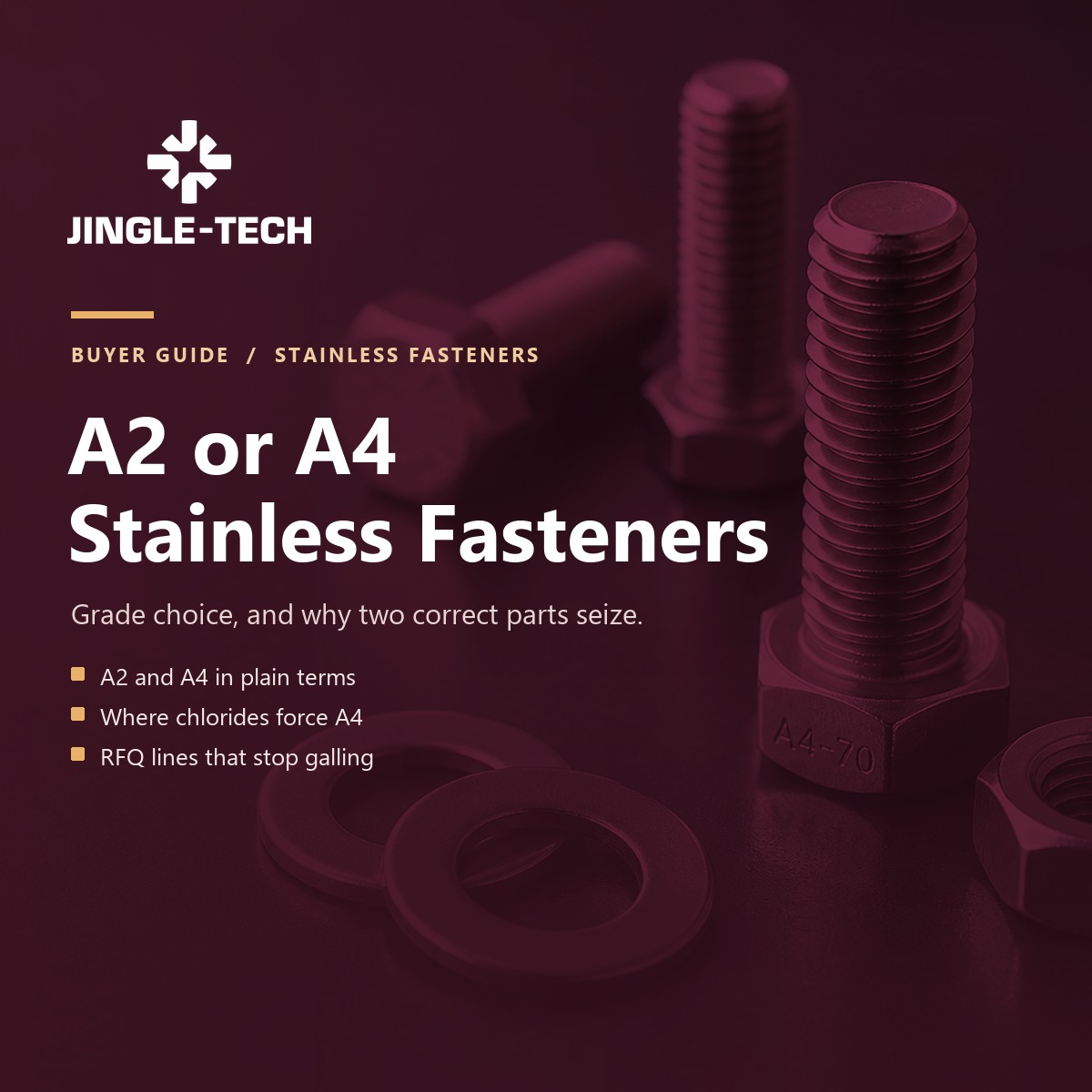
A2 or A4 stainless fasteners: what -70 and -80 classes mean, when chlorides force A4, and how to stop stainless steel fastener galling at assembly.
View More
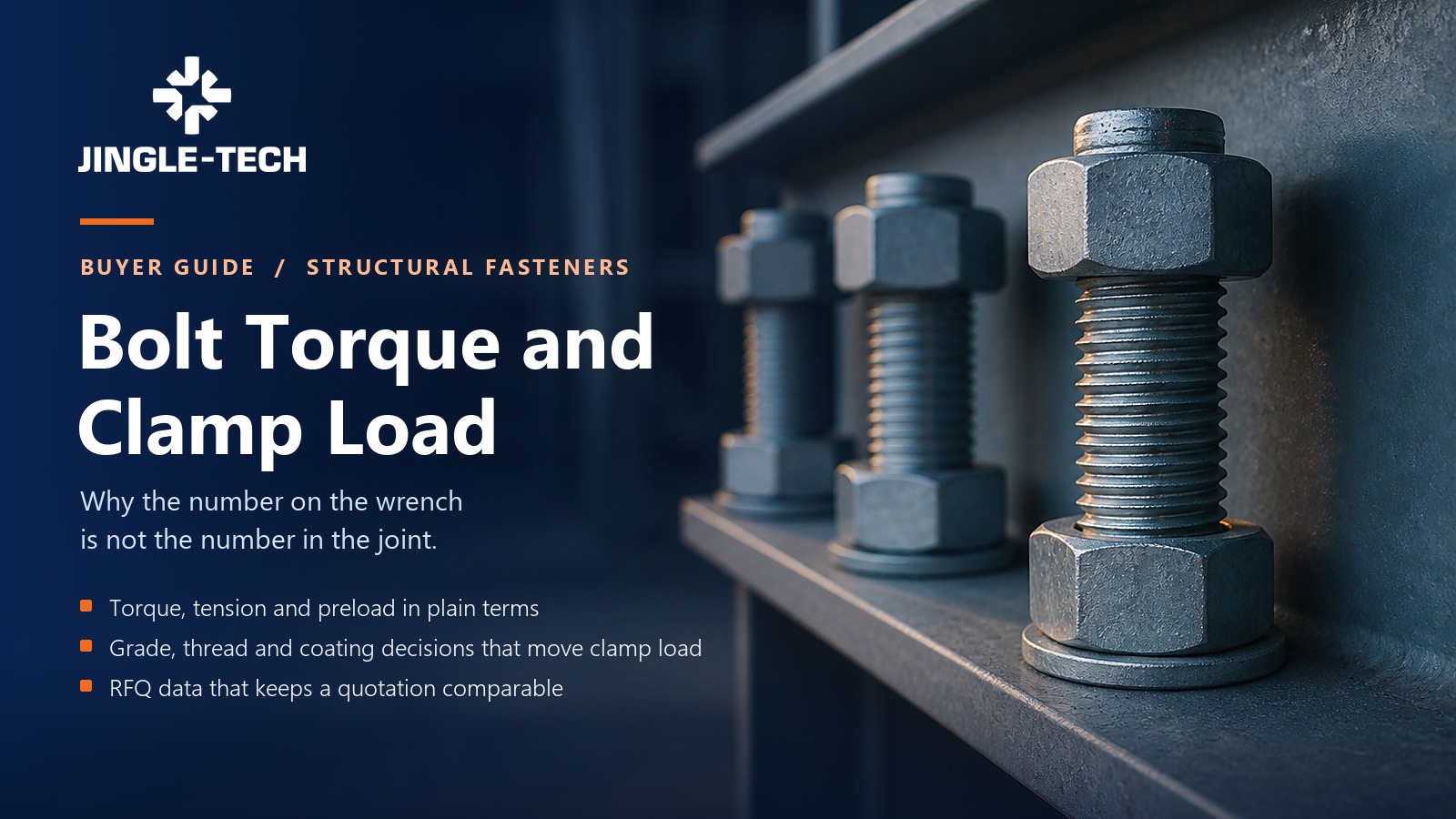
Why torque is not clamp load: how friction, property class, coating and tightening method change preload, and which joint details belong in an RFQ.
View More
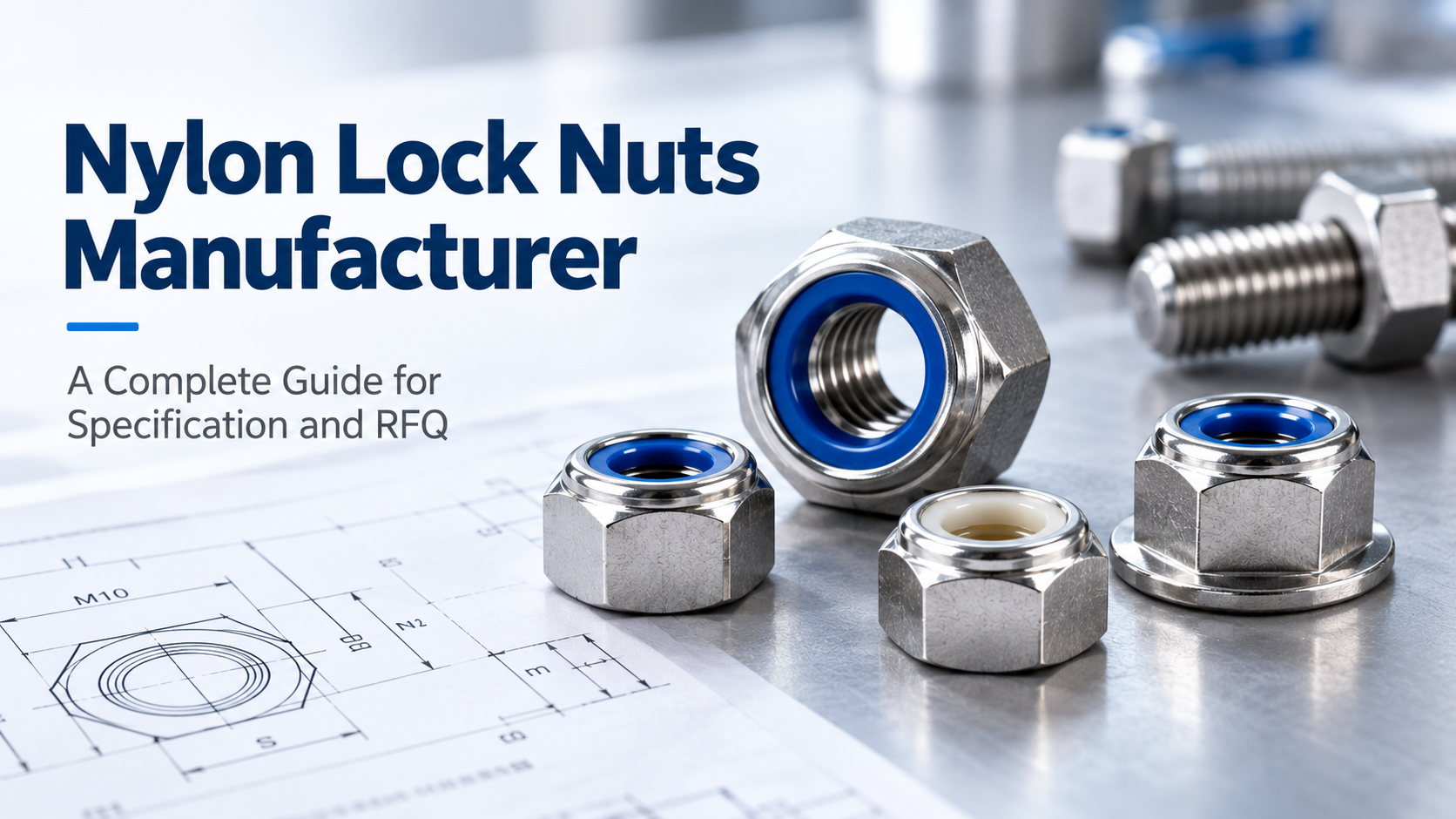
A buyer-focused guide to specifying nylon insert lock nuts, mating bolts, prevailing torque, finishes and inspection requirements.
View More

Choose a zinc plated fasteners manufacturer by checking coating systems, thickness, thread fit, hydrogen controls, corrosion tests, documents and RFQ scope.
View More

A buyer-focused guide to sourcing stainless steel bolts, screws and nuts by grade, property class, passivation, corrosion exposure, galling controls, inspection evidence and RFQ scope.
View More
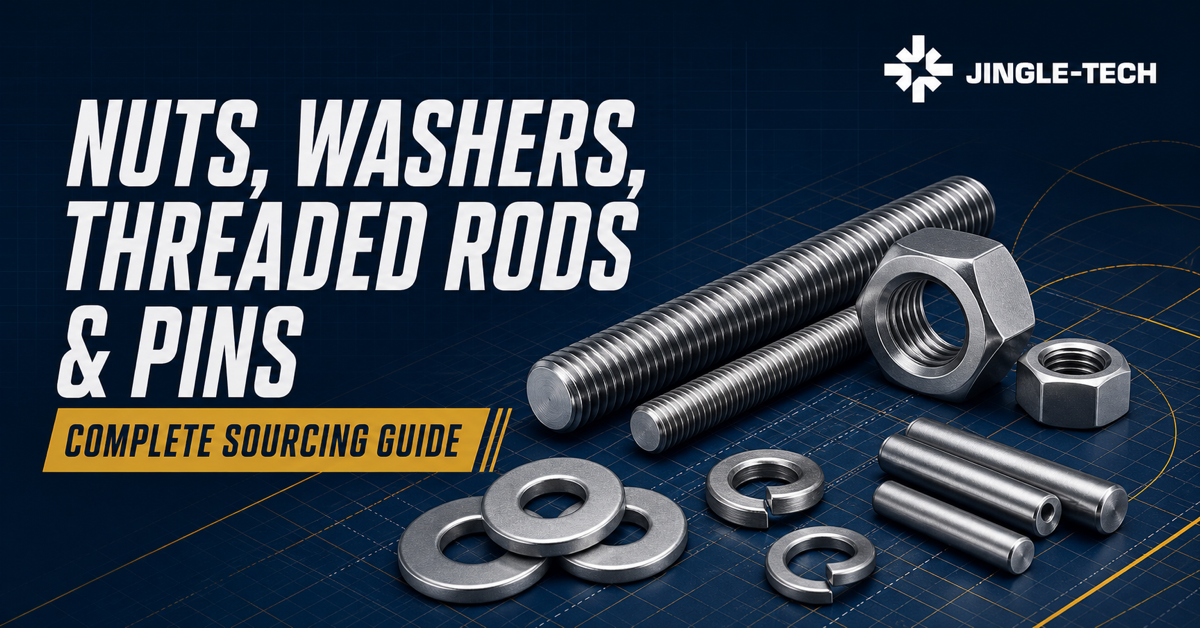
Learn how B2B buyers can define, compare, and source nuts, washers, threaded rods, and pins as one controlled package. The guide covers standards, mating interfaces, material and finish, inspection, traceability, packaging, quote normalization, and a practical RFQ checklist.
View More

1. Nylon Insert Lock Nut: what it solves and why buyers still specify it 2. How a nylon insert lock nut works in practice 3. What buyers compare before placing an order 4. Material and finish 5. Temperature and chemical limits 6. Common mistakes that create field problems 7. Quick buyer checklist before sourcing 8. Choosing the right locking nut for the application 9. Next step for buyers and engineers
View More
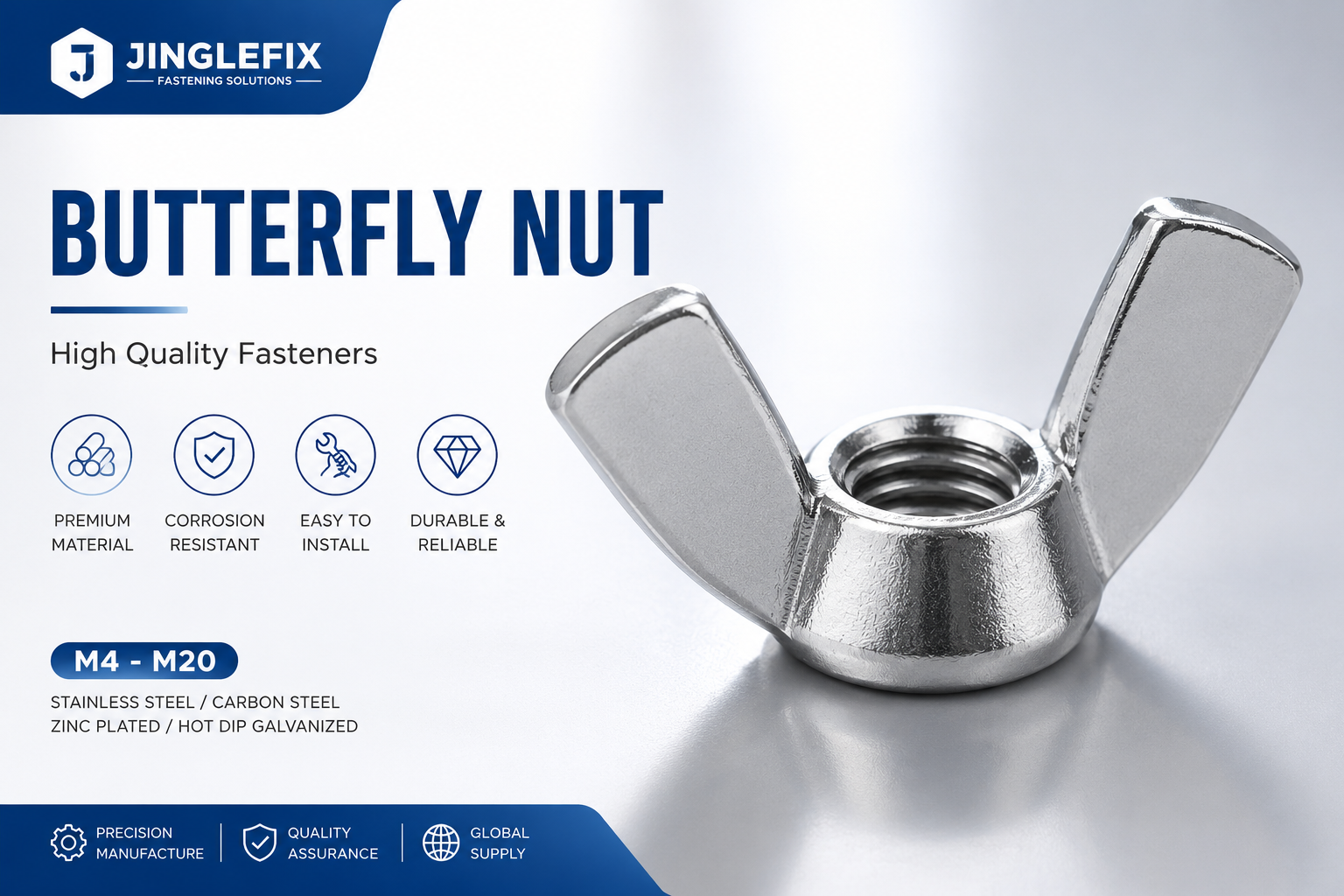
1. Why butterfly nuts still matter in everyday hardware decisions 2. Where butterfly nuts fit best 3. What buyers should evaluate before choosing 4. Material choices and practical trade-offs 5. Common mistakes seen in purchasing and design reviews 6. News-driven buyer pressure: faster service, fewer tools, simpler field work 7. What to ask a supplier before you place an order 8. Practical next step
View More
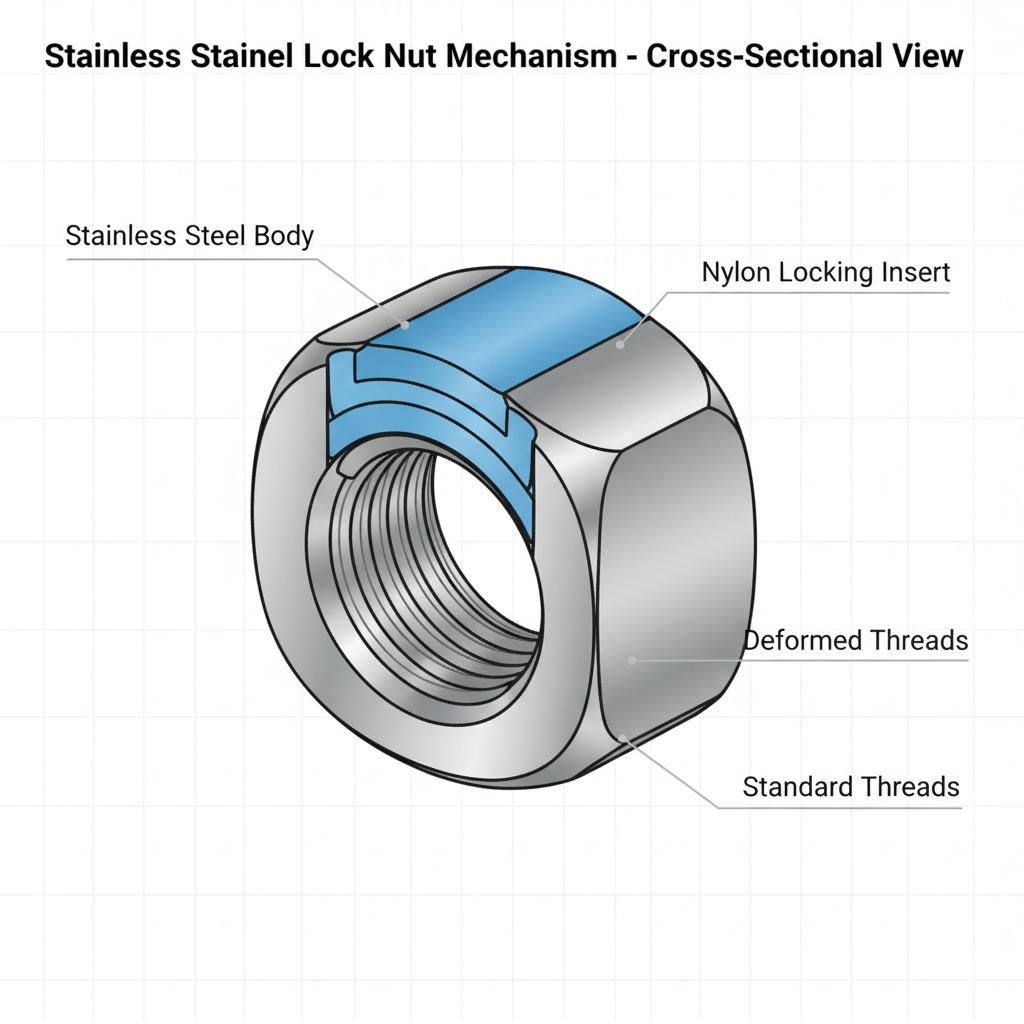
1.Understanding the Stainless Steel Lock Nut 2.Key Benefits of Using Stainless Steel Lock Nuts 3.Applications and Installation Tips 4.Choosing the Right Stainless Steel Lock Nut
View More

1. Common Types of Nuts in Fasteners 2. Specialized Types of Nuts for Specific Uses 3. Selecting the Right Fasteners Type of Nuts 4. Maintenance and Best Practices for Nuts
View More
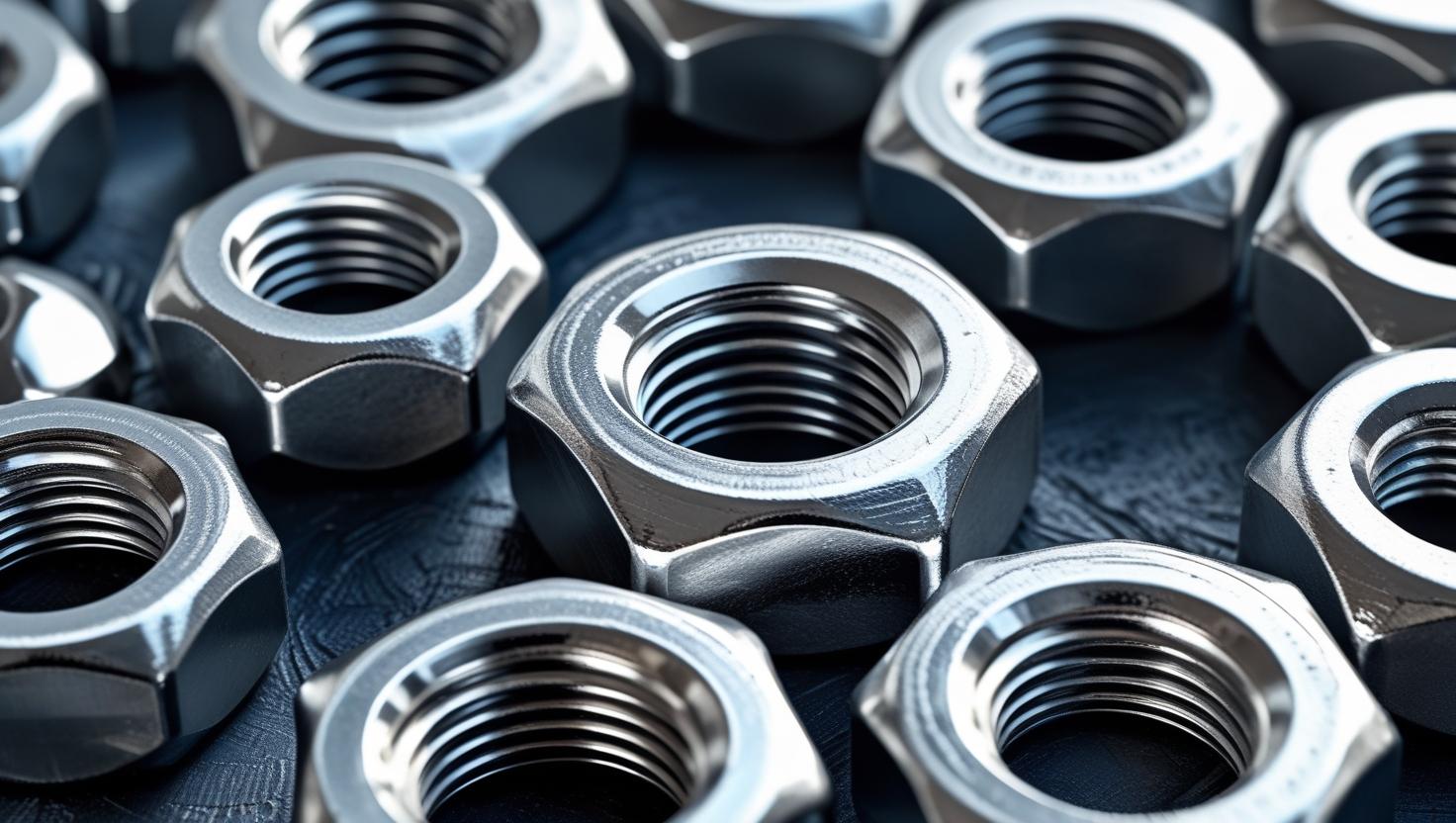
From delicate assemblies to high-load machinery, every application needs the right type of nut. This guide explains how to select between precision nuts, heavy-duty exporters, and wholesale steel options based on real-world needs.
View More
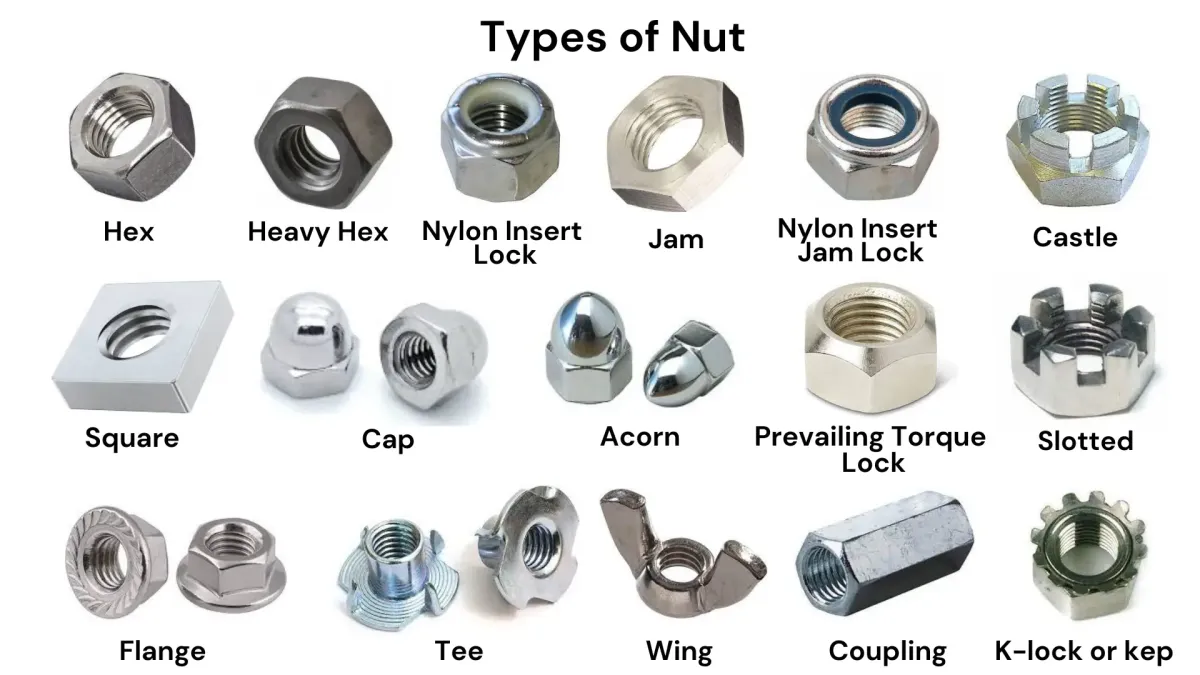
When standard nuts don’t work, custom OEM nut kits step in. From size mismatches to high-vibration environments, learn how the right nut set saves cost and prevents downtime.
View More