Understanding Fasteners: Types of Nuts
Fasteners type of nuts are essential components in mechanical assemblies, providing secure connections that hold parts together under various stresses. These small but mighty hardware pieces come in numerous varieties, each designed for specific applications, from construction to automotive engineering. When exploring fasteners type of nuts, it's crucial to recognize their role in ensuring durability and safety in projects.
Common Types of Nuts in Fasteners
One of the most basic types of nut is the hex nut, characterized by its six-sided shape that allows for easy wrench tightening. Hex nuts are versatile and widely used in general fastening tasks, accommodating bolts of various sizes. Another prevalent type of nut is the lock nut, which features a nylon insert or deformed threads to resist loosening due to vibrations. This makes lock nuts ideal for machinery and equipment where constant movement is a factor.
In addition to these, wing nuts offer a unique design with protruding wings for hand-tightening, eliminating the need for tools in quick-access scenarios like furniture assembly or temporary fixtures. For heavy-duty applications, such as in construction or aerospace, heavy hex nuts provide larger wrench flats and thicker walls for superior strength. Understanding these variations in fasteners type of nuts helps in selecting the right one for optimal performance.
Specialized Types of Nuts for Specific Uses
Beyond standard options, there are specialized types of nut tailored for niche environments. For instance, cap nuts, also known as acorn nuts, have a domed top that covers the bolt end, offering both protection and an aesthetic finish—perfect for visible installations in furniture or marine hardware. T-nuts, embedded into wood or panels, allow for flush mounting and easy attachment of bolts from one side, commonly used in woodworking and modular systems.
Square nuts, with their four-sided profile, are often paired with square bolts in older machinery or structural framing, providing a stable base that resists rotation. Castellated nuts, featuring slots for a cotter pin, ensure high-security fastening in critical applications like aircraft and automotive suspension systems. Each type of nut in the fasteners category addresses unique challenges, from corrosion resistance in stainless steel variants to high-temperature tolerance in heat-treated models.
Selecting the Right Fasteners Type of Nuts
Choosing the appropriate fasteners type of nuts involves considering factors like material, thread size, and load requirements. Materials range from mild steel for everyday use to brass for corrosion-prone areas and exotic alloys for extreme conditions. Always match the nut's thread pitch with the bolt to avoid stripping or weak holds. In industrial settings, standards like ANSI or ISO ensure compatibility and reliability.
For DIY enthusiasts or professionals, consulting size charts and application guides can prevent mismatches. Innovations in nut design, such as self-locking mechanisms or eco-friendly coatings, continue to expand options. By familiarizing yourself with these types of nut, you can enhance the integrity of your assemblies, reducing maintenance needs and extending product lifespan.
Maintenance and Best Practices for Nuts
Proper installation and periodic checks are key to maximizing the effectiveness of fasteners type of nuts. Over-tightening can damage threads, while under-tightening risks failure. Using torque wrenches ensures precise application, especially for lock nuts in vibrating environments. Regular inspections for wear, corrosion, or deformation help maintain safety.
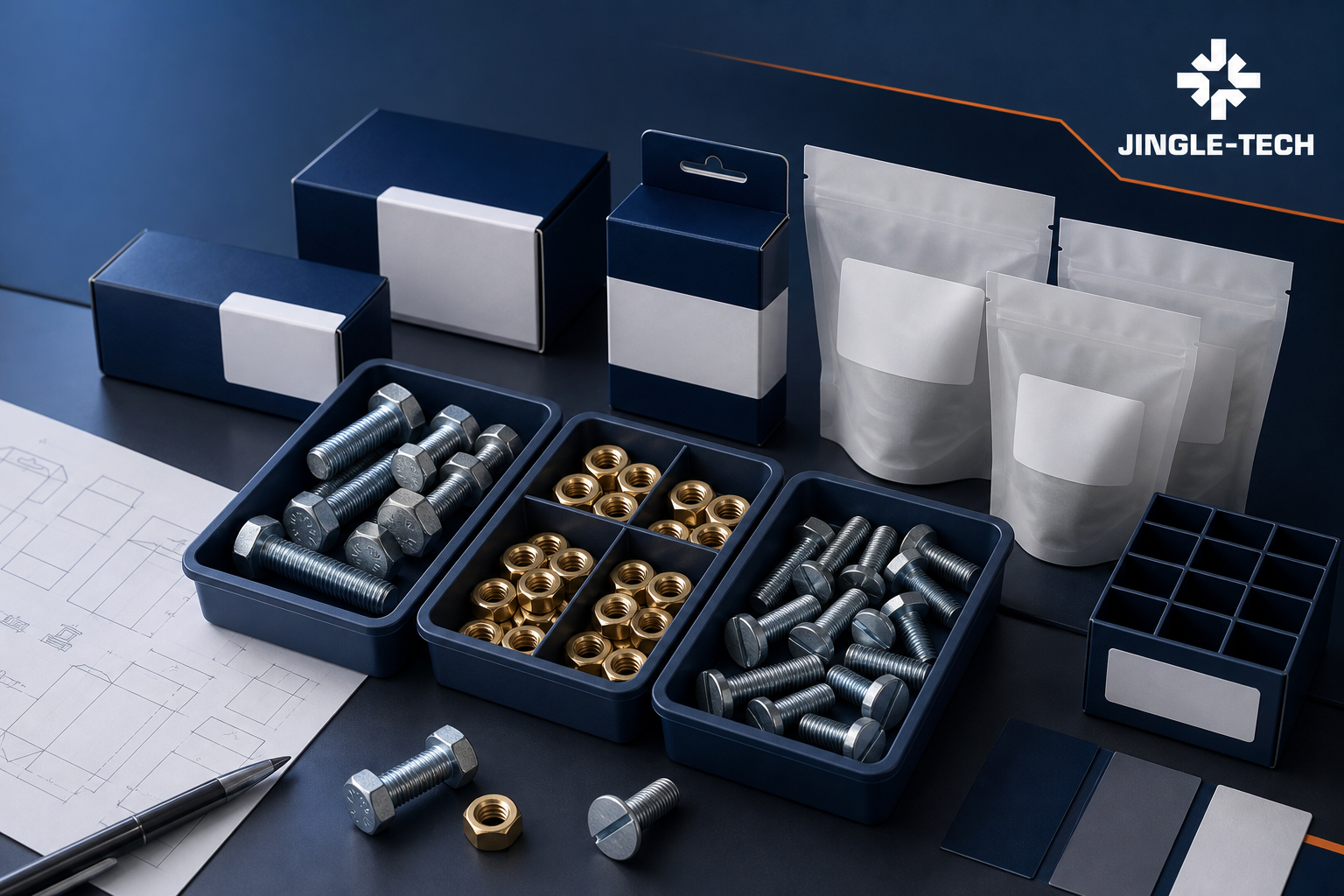
Storing nuts in organized bins by type and size prevents mix-ups during projects. When dealing with multiple types of nut, labeling systems streamline workflows. In summary, a solid grasp of fasteners type of nuts empowers better decision-making, leading to robust, long-lasting connections across industries.