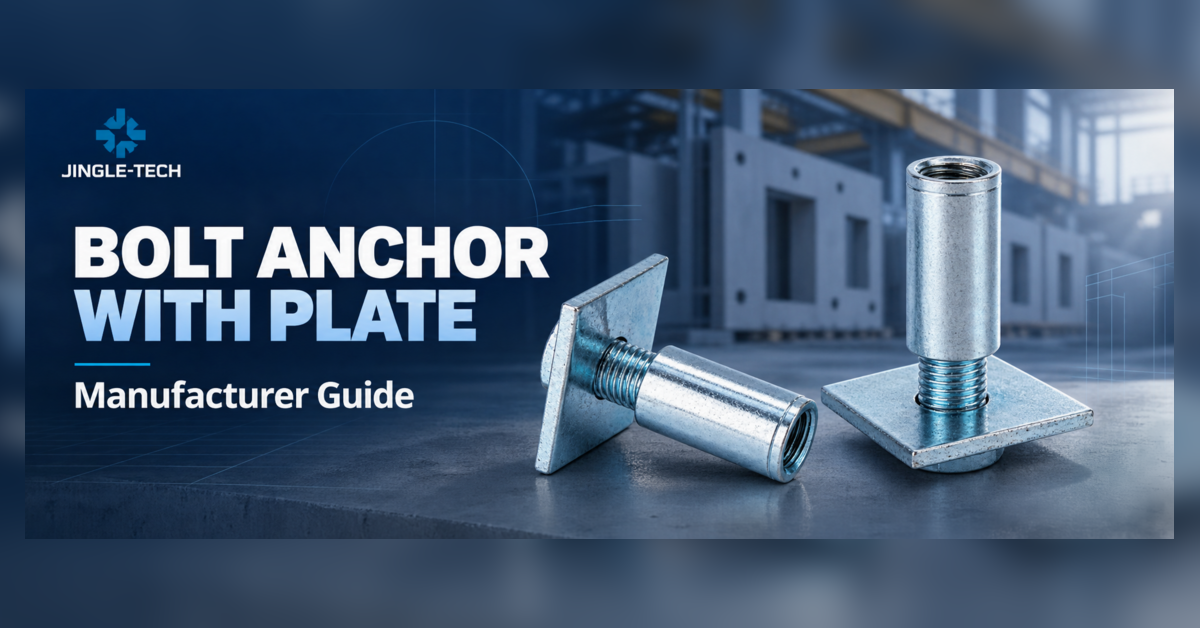
What a Threaded Lifting Socket Does, and Why It Deserves Attention
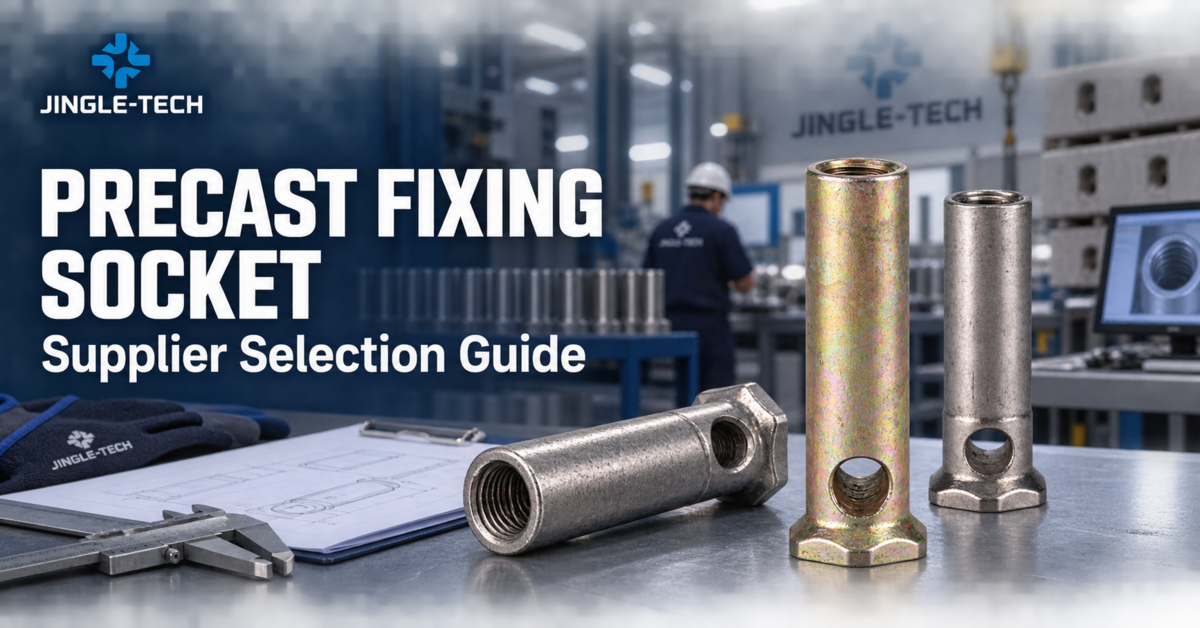
A threaded lifting socket looks like a small hardware part until it has to do a very large job. In precast concrete, tilt-up work, and other lifting applications, this insert creates a threaded connection point so a lifting eye, anchor bolt, or compatible rigging component can engage the concrete element safely. That sounds simple, but the decision behind the part is not. Engineers and sourcing teams are usually balancing load transfer, installation speed, corrosion exposure, and how much margin they want between a smooth lift and a costly problem.
A Threaded Lifting Socket is often chosen because it gives the crane crew a repeatable connection point while keeping the lifting hardware embedded in the casting. For the buyer, the real question is not just “Will it fit?” but “Will it perform in the geometry, concrete mix, and handling method we actually use?”
Why the Choice Matters in Production
Lifting inserts are not decorative accessories. They affect mold design, reinforcement layout, embed depth, and the sequence on the production floor. If the socket is underspecified, the failure mode can be ugly: local breakout, thread damage, poor alignment, or a lift that puts the crew in an awkward position before the panel even clears the form.
A Concrete Socket Insert, in broad terms, serves the same structural purpose: it provides a durable embedded connection point in concrete. But the details matter. Thread form, material grade, embed length, and how the insert interfaces with surrounding reinforcement can change the actual working behavior far more than a casual catalog comparison suggests.
Quick Reference: What Buyers Usually Compare
1. Load requirement
Start with the expected lift condition, not just the part number. Static load, dynamic handling, edge lift, and angled rigging can each influence what is acceptable.
2. Concrete and placement conditions
High-density precast, lightweight mixes, and site-poured concrete do not behave the same way. The socket has to be compatible with the casting method and the available cover.
3. Corrosion environment
Indoor panels and exterior architectural elements face different exposure levels. Material selection should reflect whether the insert will live in a dry warehouse, a coastal structure, or a project with deicing salts nearby.
4. Thread accessibility
A good insert is useless if the thread is hard to reach after finishing or buried too deeply. Production teams notice this immediately, usually after the first frustrating batch.
Common Types and Design Considerations
Threaded inserts for lifting are available in different shapes and materials, but buyers should think in terms of function rather than labels. Some are compact and suited to limited embed zones. Others are built for larger panels and heavier handling. The thread size must match the lifting hardware, and the body geometry must work with the concrete cover available around it.
One practical caution: do not assume a larger thread automatically means a better choice. Oversizing can create congestion in reinforcement or force changes to the form. That can slow production and introduce new risks that were not in the original lifting plan.
Selection Criteria Engineers and Sourcing Teams Should Not Skip
The best selection process usually includes both design review and shop-floor reality. Engineers tend to focus on capacity and geometry, while sourcing managers need to make sure the part can be produced consistently and purchased without surprises. Those goals align more often than people think, but only if the specification is clear.
Look closely at:
The intended lifting method and hardware compatibility
The concrete element thickness and edge distances
The reinforcement layout around the insert
Any finishing or architectural surface requirements
Whether the insert must remain visible or be recessed after the lift
The cost of field correction if an insert is misplaced
That last point is worth underscoring. A low-cost socket can become an expensive mistake if it causes rework, slows the lift, or forces a panel to be scrapped.
Frequent Mistakes on the Shop Floor
A few errors show up again and again. The first is misalignment during placement, especially when the insert is set before the form is fully stabilized. The second is poor thread protection, which can leave concrete in the thread and make lifting hardware difficult to engage. The third is treating all inserts as interchangeable. They are not.
Another buyer-facing warning: if a supplier cannot explain how the socket should be installed in relation to reinforcement and cover, that is a red flag. The part may still work, but the project is now depending on shop discipline rather than a robust process.
Practical Advice for Procurement
For sourcing teams, the cleanest purchasing package usually includes the thread specification, material description, intended application, and any installation notes needed by production. If the application is safety-critical, it is reasonable to ask for traceable documentation from the supplier, but only request what you genuinely need and can verify.
It also helps to standardize where possible. A plant that uses too many socket variants often pays for it later in inventory clutter, training time, and misplaced parts. One or two well-chosen sizes can be easier to control than a shelf full of nearly identical hardware.
FAQs
Is a threaded socket only for precast concrete?
No. It is most commonly associated with precast work, but similar embedded threaded solutions can appear in other concrete applications where lifting or attachment points are needed.
Can any concrete insert be used for lifting?
Not safely. The insert must be appropriate for the load path, thread engagement, concrete conditions, and installation method.
What should be checked before release to production?
Confirm thread compatibility, placement location, embed depth, surrounding reinforcement, and whether the part is protected against damage during casting and stripping.
Next Step for Buyers
If you are specifying or sourcing a Threaded Lifting Socket, start with the actual lift scenario and work backward through the concrete design, production method, and hardware compatibility. That sequence is slower than buying by catalog image, but it usually prevents the kind of field problem nobody wants to explain after the crane is already on site.