Breaking the Bridge: How Thermal Break Bolt Kits and Bolt Kits Improve Structural Performance
Bolts are usually thought of in terms of mechanical strength, but in certain industries—especially construction, energy, and manufacturing—thermal performance matters just as much. That’s where thermal break bolt kits come in, preventing unwanted heat or cold transfer through structural connections.
Meanwhile, general bolt kits remain a universal tool for installers, contractors, and maintenance crews—ensuring the right fastener is always on hand.
What Is a Thermal Break Bolt Kit?
A thermal break bolt kit is designed to interrupt the “thermal bridge” created when standard metal bolts connect two materials. Without this break, heat or cold easily transfers along the metal, causing:
-
Energy loss in insulated walls or facades
-
Condensation leading to corrosion
-
Temperature-related deformation in structural components
How It Works
Thermal break bolts use an insulating sleeve, washer, or bushing—often made from high-performance polymers like polyamide or composite materials—between the bolt and surrounding structure. This maintains mechanical strength while reducing heat transfer.
Where It’s Used
-
Curtain wall systems in commercial buildings
-
Cold storage facilities and refrigerated transport
-
Bridges and offshore platforms in variable climates
-
Renewable energy installations (solar panel mounting, wind turbine towers)
Standard Bolt Kits: Efficiency in Every Install
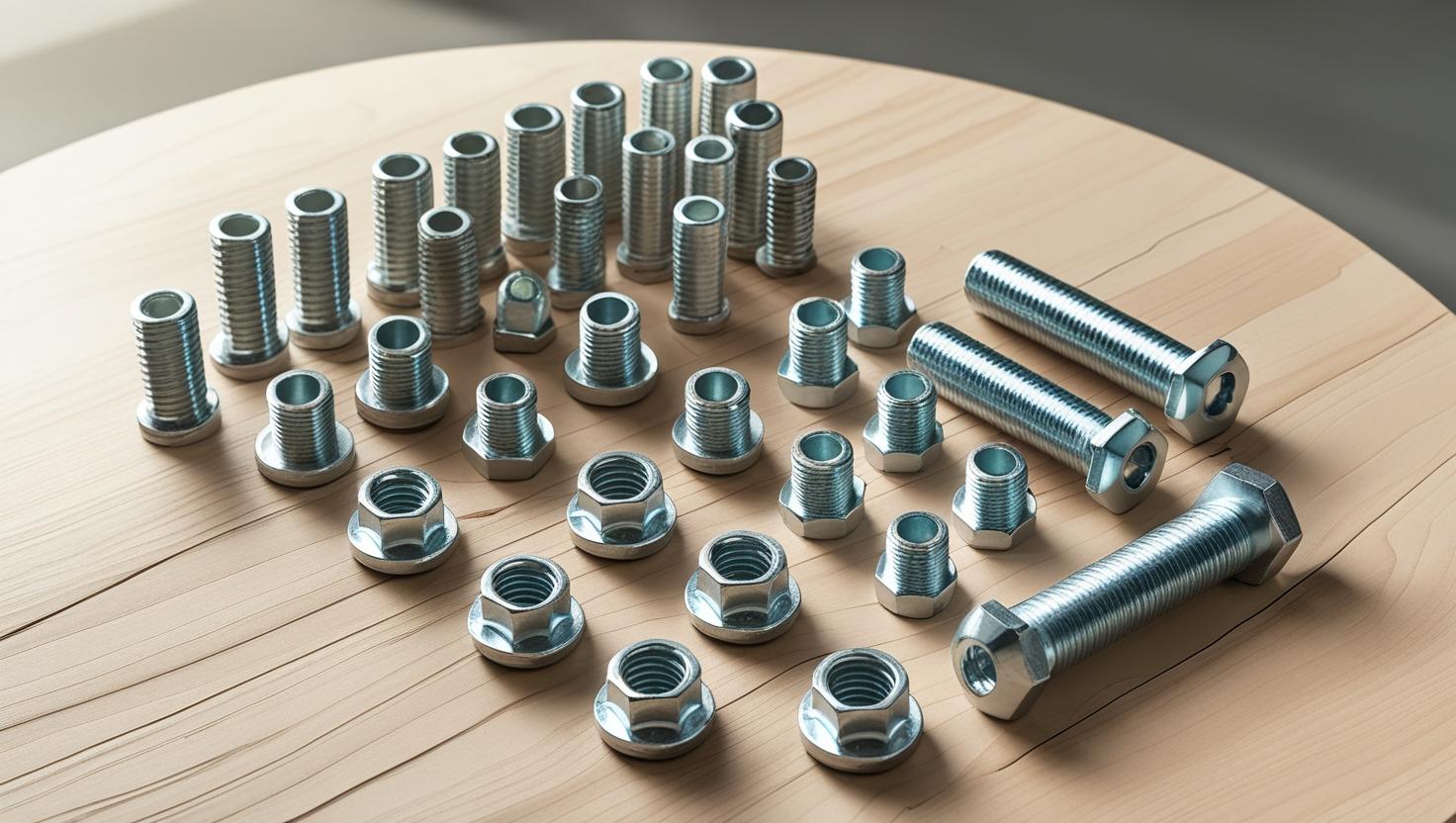
A bolt kit is an organized set of bolts—often with nuts and washers—grouped by size, type, or application. They are widely used across:
-
Machine assembly lines
-
Construction sites
-
Automotive repair shops
-
DIY and maintenance toolboxes
Advantages of Organized Kits
-
Eliminates time lost searching for the right size
-
Reduces risk of mismatched hardware on site
-
Ensures compliance with project specifications
-
Ideal for OEM supply—kits can be tailored to specific product lines
From Packaging to Performance: What Sets Jingle’s Kits Apart
A bolt kit is only as good as the planning behind it. In both thermal break bolt kits and general bolt kits, the difference between “just another box of hardware” and an industry-ready solution lies in how the kit is engineered, packaged, and documented.
Why Our Kits Work in the Field
-
Precision-matched components — Every bolt, washer, and nut is sorted by size and grade to match project specifications.
-
Environmental durability — Thermal break kits are tested for temperature resistance, while structural kits use corrosion-resistant finishes.
-
Installer efficiency — Labeled compartments, QR-coded documentation, and clear installation guidance reduce on-site delays.
-
Export compliance built in — Kits ship with neutral cartons, HS code markings, and a complete document set (CO, CI, PL, RoHS, MTC).
-
OEM customization — We tailor kits for curtain wall manufacturers, machinery builders, and construction suppliers, ensuring each set arrives ready for immediate use.
Making Every Connection Count
Thermal break bolt kits protect your structure from energy loss, condensation, and temperature-driven damage. Standard bolt kits keep installation teams moving quickly, with the right fastener always at hand.
Whether you are mounting facade panels on a high-rise, assembling industrial machinery, or stocking hardware for global distribution, the right kit isn’t just a supply—it’s a performance guarantee.
With Jingle, you get:
-
Kits built for your environment and load requirements
-
Packaging designed for fast identification and handling
-
Materials certified for strength, safety, and compliance
Browse our bolt kit range
Contact us for thermal break and custom kit solutions
When every joint matters, so does the fastener inside the kit.