From Factory to Field: How to Build a Reliable Screw Custom Kit for Export
Why Standard Bulk Isn’t Enough for Global Buyers
In the past, ordering fasteners meant buying bulk screws and handling the sorting, labeling, and packaging in-house. But global buyers today face new challenges:
-
Inconsistent batches from fragmented supply chains
-
Lack of labeling or traceabilityin bulk shipments
-
Extra labor costsin sorting and re-packaging before resale or use
-
Non-compliance in export documentation, causing port clearance issues
A 2024 report by Industrial Supply Chain Review found that42% of fastener importers reported delays due to poor packaging or missing documents, while31% cited incomplete product traceabilityas a quality risk.
In response, the market is shifting toward structured, export-ready solutions like thescrew factory setandscrew custom kit.
What Is a Screw Factory Set—And Why It Works
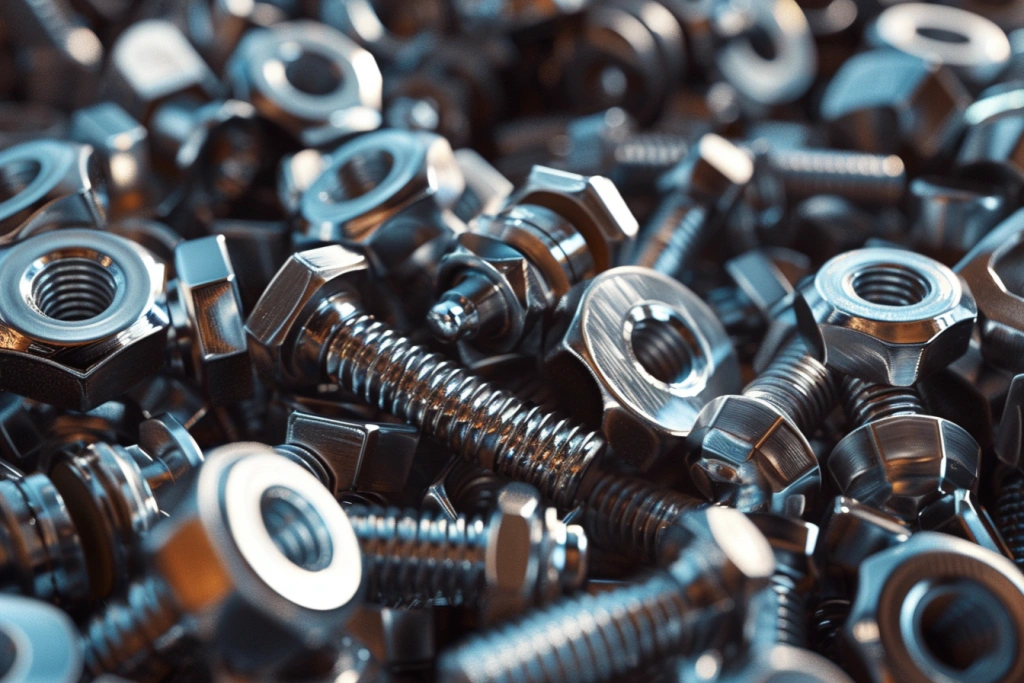
Ascrew factory setisn’t just a box of fasteners. It’s a standardized, tested, and documented solution that supports international buyers with:
-
Unified productionfrom a single factory line (cold heading, threading, plating, QC)
-
Grouped SKUs by type, size, or standard(e.g. M3–M6 pan head, 10mm–20mm lengths)
-
Batch labeling and barcodingfor warehouse or resale use
-
Export-oriented packaging: polybags or plastic boxes, sealed in neutral or branded cartons
-
Complete documentation: CI, PL, CO, and origin-specific docs
This approach reduces warehouse sorting, increases quality traceability, and improves shipping efficiency.
A screw factory set reduces total landed cost by up to 18% when compared to post-import sorting, according to buyers in the MRO and DIY retail sectors.
The Rise of Screw Custom Kits: Designed to Be Used, Not Just Stored
While factory sets support logistics, thescrew custom kittargets usage. Whether for field installations, maintenance teams, retailers, or toolkits, a custom kit can include:
-
Pre-selected sizes and types, optimized for the job or market
-
Private-label packaging, including brand logos, multilingual instructions, or QR codes
-
Add-ons like washers, nuts, Allen keys, or installation tools
-
Boxed, blistered, or compartmentalized formatssuitable for retail shelves or technician kits
This eliminates the need for buyers to re-assemble kits manually—a major pain point for OEMs and distributors alike.
What a Screw Factory Supplier Must Provide to Support This
If you're sourcing factory sets or custom kits for export, choose suppliers with the following real capabilities:
| Core Need | Supplier Capability |
|---|---|
| Consistent screw quality | In-house production + test reports (dimension, hardness, coating) |
| Custom set building | Mixing SKUs, labeling by spec, kit assembly by project |
| Export documentation | CI, PL, CO, plus product-specific declarations or barcodes |
| Packaging flexibility | Polybag, plastic box, box-within-carton layouts for B2B or retail |
| Communication & accuracy | Sample confirmation, packing photo before shipment, responsive support |
Jingle supports all of the above, backed by direct factory control and export experience to Southeast Asia, Europe, and South America.
Final Checklist Before You Place the Next Order
Before ordering any screw set or custom kit, ask your supplier the following:
-
Can they mix SKUs and label kits by size/spec/project?
-
Do they manufacture and inspect all screws in-house?
-
Will they send packing photos and samples before shipment?
-
Do they handle CI, PL, CO and export-specific forms?
-
Are kits packed for retail, warehouse, or direct use?
If the answer is no to any of these, you're likely paying more later—through rework, returns, or lost time.
Work with a Partner Who Plans Like You Do
Structured screw factory sets and custom kits aren’t just about packaging—they represent a smarter, lower-risk way to buy. For importers, resellers, and project buyers, this approach saves labor, ensures quality, and shortens time to market.
To explore how this works in practice, visit ourhomepageorcontact us directlyfor sample layouts, kit suggestions, and a detailed quote.
Stop fixing problems downstream. Start with the right structure upstream.