Why railroad spike bolt selection matters more than it looks
A railroad spike bolt sounds simple until you are the one responsible for holding trackside assemblies together, keeping hardware compatible, and avoiding a service call that could have been prevented. For engineers, sourcing managers, and maintenance teams, the real question is not whether the part is small. It is whether the Railroad Spike Bolt you buy can stand up to vibration, weather exposure, installation variability, and the ugly realities of field service.
That matters because rail environments punish weak details. Fasteners loosen. Threads gall. Coatings get compromised. A part that looks acceptable on a purchase order can become a headache if it is not matched correctly to the application. This article is meant to help you decide what to look for, what to ask suppliers, and where the usual mistakes show up.
What the part is expected to do
In practical terms, a railroad spike bolt is used where a secure mechanical connection is needed in rail-related infrastructure, fixtures, or assembly points that experience repeated loading and environmental exposure. Depending on the design, it may be compared with other track hardware or anchoring fasteners, but the important point is the same: it must hold position reliably and remain serviceable when maintenance crews return to the site.
That means the buyer should care about more than nominal size. Thread quality, material choice, surface treatment, and dimensional consistency all affect how the fastener behaves once installed. If any of those are off, the hardware may still go together, but it will not necessarily stay trustworthy.
Key factors to compare before you place an order
Material and strength profile
Start with the base material. Rail applications often need fasteners that resist deformation and maintain clamping force under vibration. Depending on the design intent, carbon steel, alloy steel, or other engineered metals may be appropriate. The right answer depends on load, location, and whether corrosion resistance or ease of replacement matters more on your job.
Surface protection
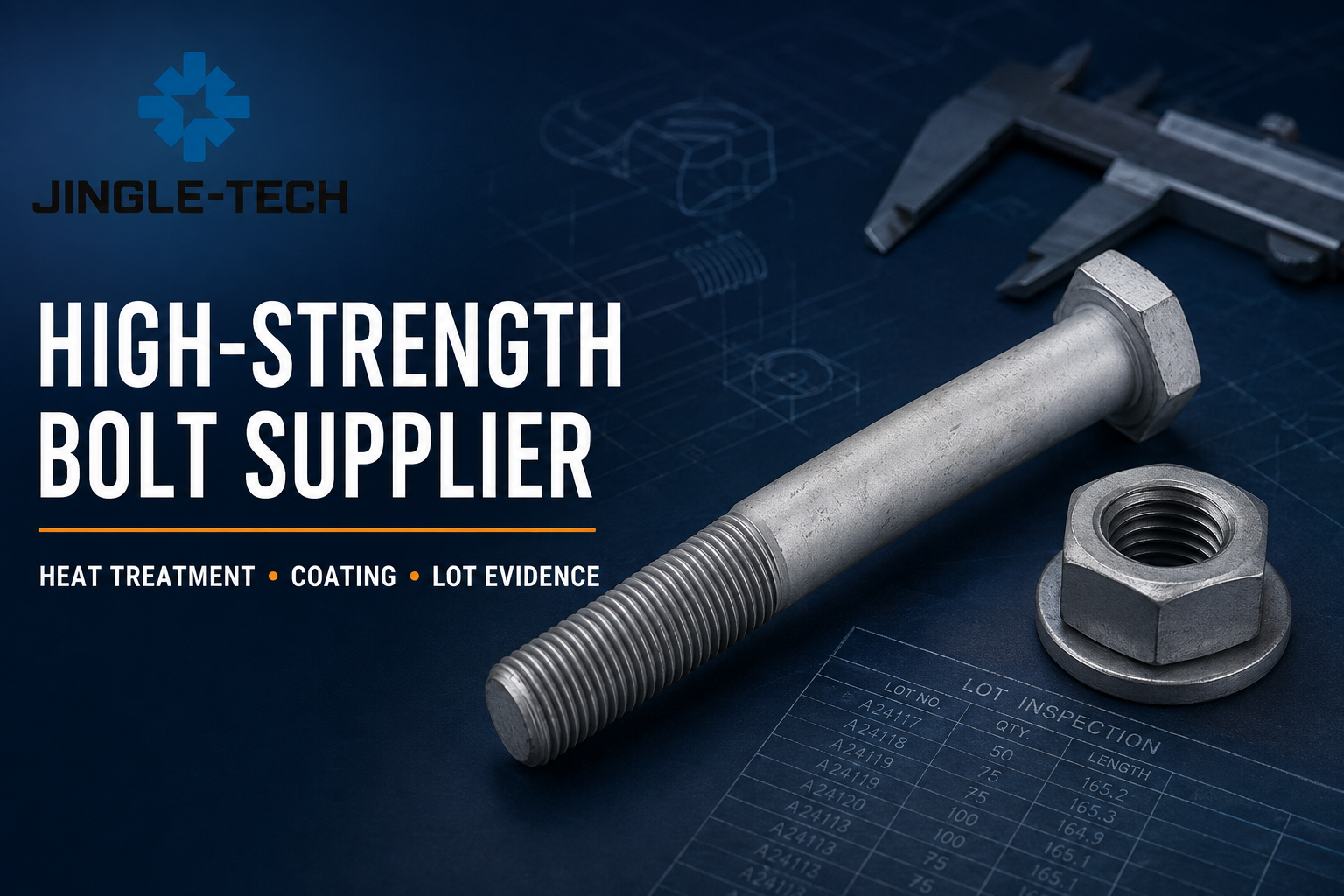
Outdoor rail hardware lives a hard life. Moisture, salt, temperature swings, and debris can shorten service life quickly. A protective finish can help, but buyers should treat coating as part of the system rather than a cosmetic detail. A good coating on a poorly made fastener will not rescue the installation.
Dimensional consistency
Even a rugged fastener becomes expensive if it creates installation delays. If crews must fight cross-threading, inconsistent shank dimensions, or mismatched heads, the labor cost rises immediately. For multi-site projects, consistency between batches matters almost as much as the nominal specification.
Common buying mistakes
One frequent mistake is assuming that a part described with familiar rail terminology is automatically interchangeable across applications. It is not. Fasteners can look similar while differing in thread form, load capability, or installation method. Another mistake is overvaluing the lowest unit price. In rail maintenance, the cheapest item can become the most expensive once downtime and rework are counted.
A more subtle problem is weak supplier communication. If the drawing, standard, or use case is vague, the delivered hardware may technically meet a broad description while still failing your actual need. Buyers should ask for material data, finish details, and any applicable dimensional references before approving production.
Practical selection advice for sourcing teams
If you are comparing suppliers, treat the railroad spike bolt as a functional component, not a commodity line item. Ask how the manufacturer controls dimensions, how it handles coating consistency, and whether it can support repeat orders without specification drift. If your program involves multiple maintenance crews or contractors, standardization becomes especially important because field teams notice differences immediately.
It also helps to align procurement with maintenance reality. A bolt that is slightly easier to install, inspect, or replace can save hours over the life of the asset. That is not glamorous, but it is often where the budget is won or lost.
Quick reference: what a buyer should confirm
Before approving a railroad spike bolt purchase, confirm the material, the finish or corrosion protection, the size and thread details, the intended application, and the quality documentation available from the supplier. If any of those are unclear, stop and clarify them. Ambiguity in rail hardware usually shows up later as field problems.
Questions worth asking a supplier
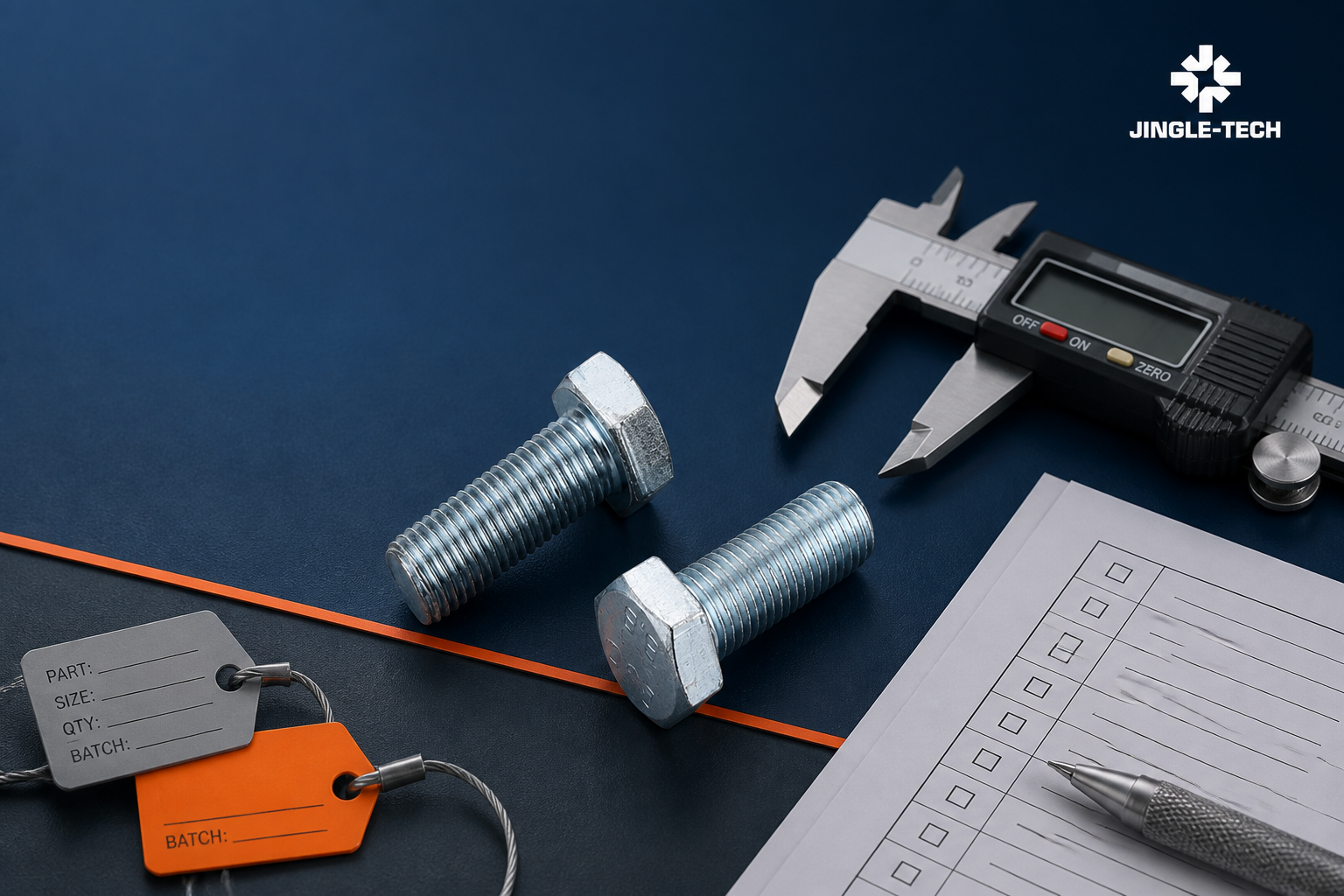
Can the fastener be made consistently across repeat runs? What inspection steps are used to check dimensions and thread fit? Is the coating or finish suited to outdoor exposure? Can the supplier support the same specification across future orders, or will the part need requalification every time? These are ordinary questions, but they prevent unpleasant surprises.
What good procurement looks like
Good sourcing here is not about finding the most elaborate specification. It is about matching the part to the job and proving the match with enough technical detail that everyone involved can install it confidently. The best railroad hardware decisions usually come from simple discipline: clear drawings, realistic expectations, and a supplier that understands repeatability.
If you are evaluating options now, start with the use case, not the catalog description. That approach narrows the field quickly and keeps the final choice grounded in how the fastener will actually perform in service.