Precision Metal Parts Manufacturer: Turning Design into Performance
Precision Metal Parts as the Core of Modern Engineering
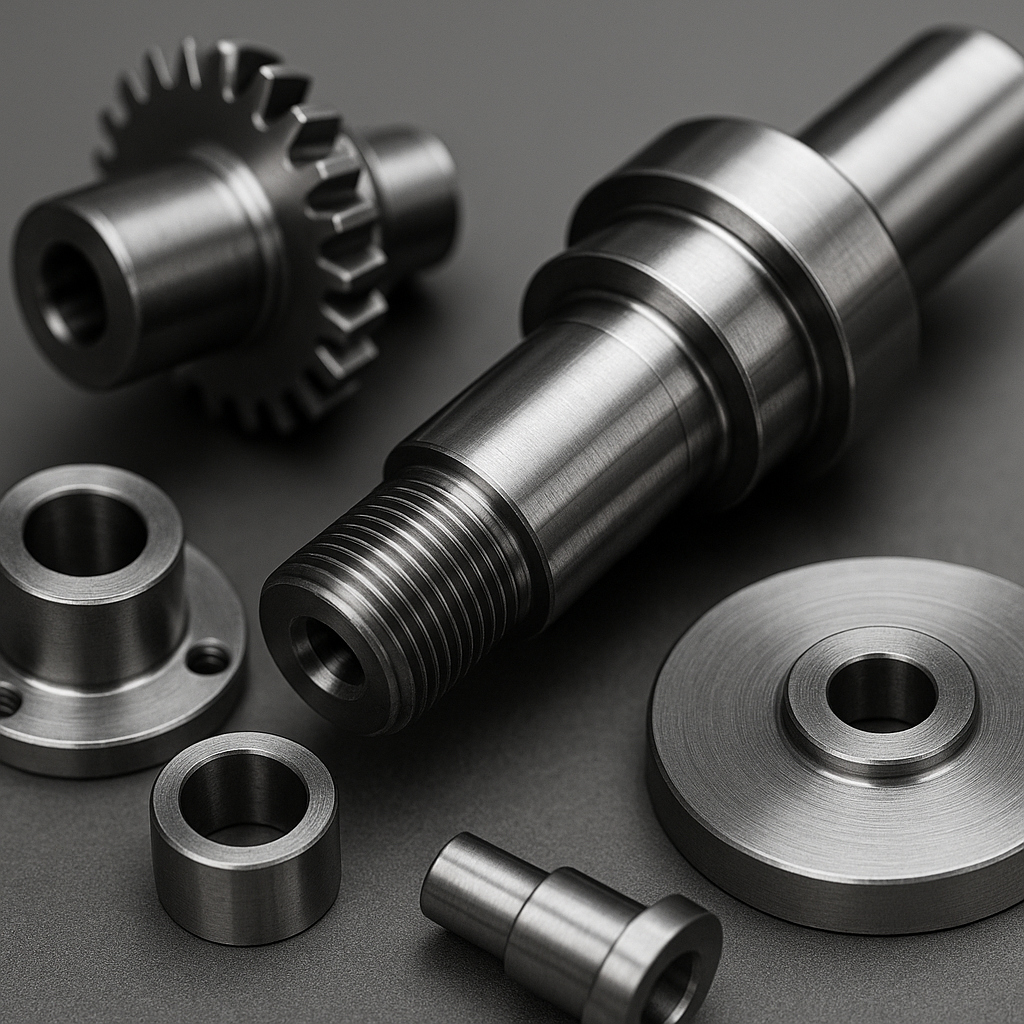
In today’s global industries, precision metal parts are no longer optional—they are mission-critical. From a turbine blade in a power plant to a gear in a high-performance vehicle, the smallest deviations in accuracy can compromise entire systems. A precision metal parts manufacturer plays a crucial role in ensuring tight tolerances, surface integrity, and material reliability across every batch.
For industrial buyers, these components represent more than just parts. They are OEM-engineered solutions that directly affect safety, compliance, and operational efficiency. That is why sourcing from a certified manufacturer and factory-direct supplier has become the standard for global sourcing strategies.
Key Requirements for a Precision Metal Parts Factory
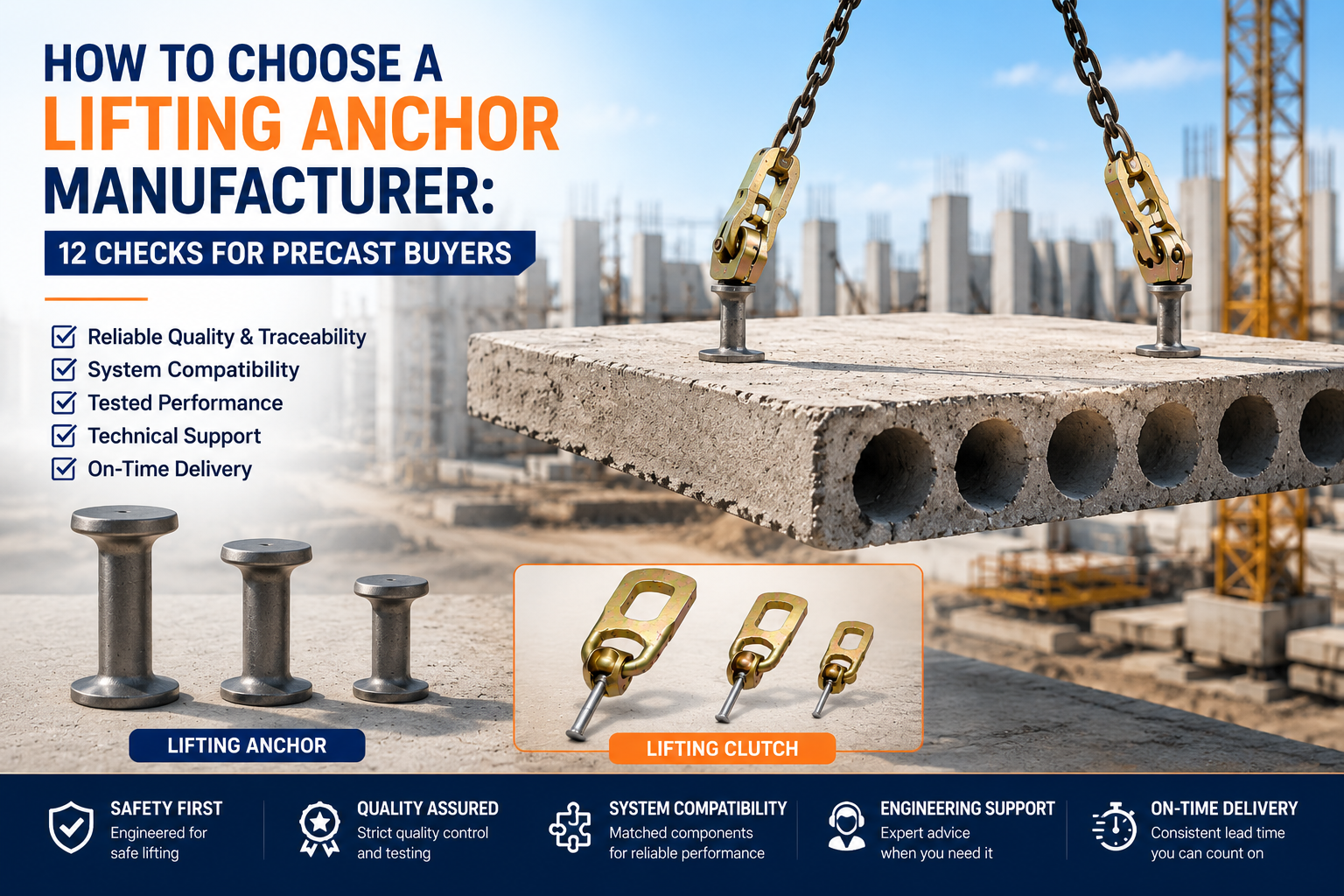
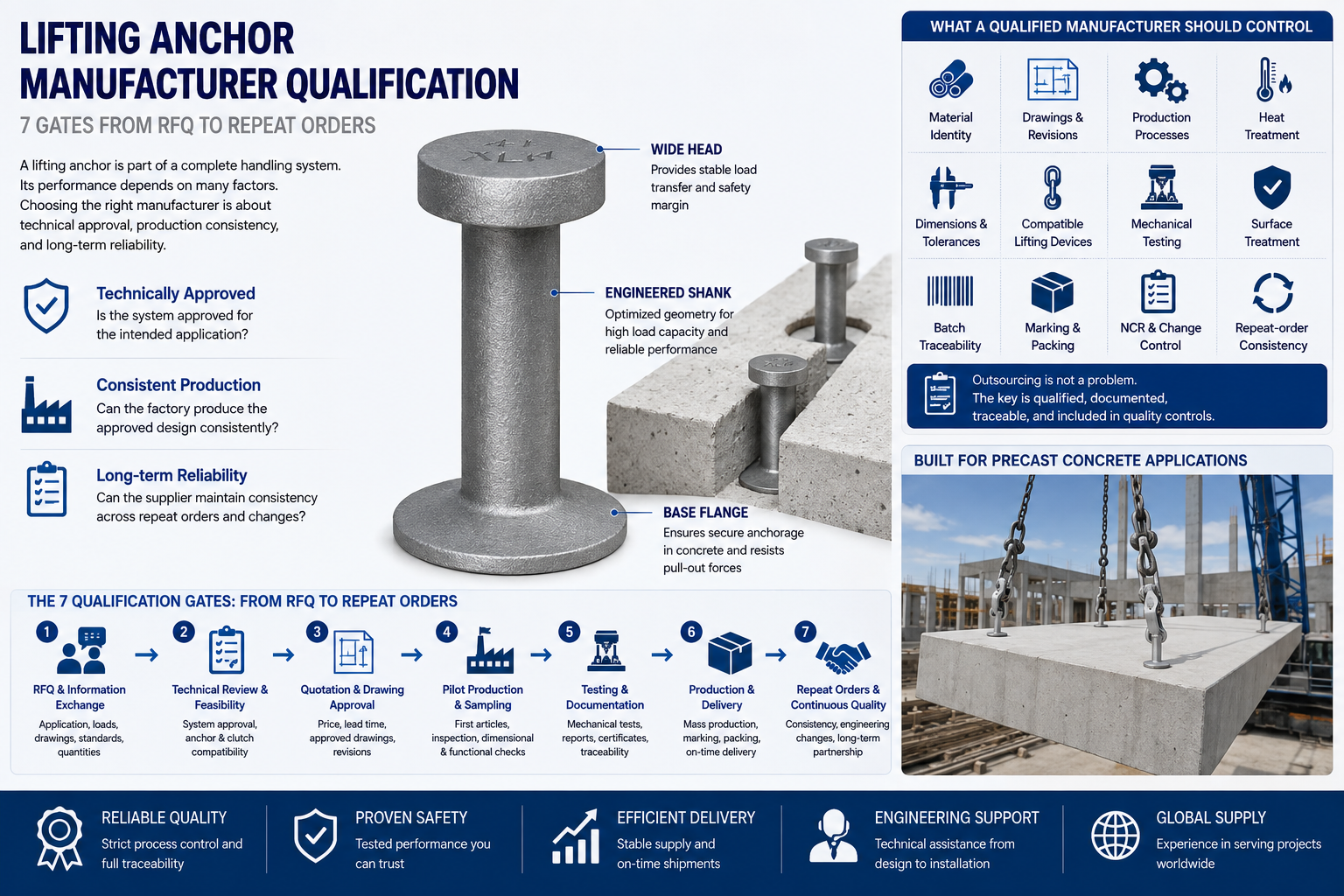
In global industries, selecting a manufacturing partner for precision components depends on clear standards and measurable capabilities. A factory must demonstrate more than technical equipment—it must provide confidence that every part will meet strict performance and compliance needs.
Essential requirements include:
-
OEM Customization: Ability to deliver non-standard dimensions, complex geometries, or unique finishes that align with project demands.
-
Certified Manufacturing: Compliance with ISO, ASTM, and CE frameworks, supported by testing reports that satisfy audit and regulatory checks.
-
Material Versatility: Processing stainless steel, titanium, aluminum, and specialized alloys with consistent precision.
-
Factory Direct Supply: Streamlined logistics that reduce delays, minimize costs, and ensure transparent communication.
-
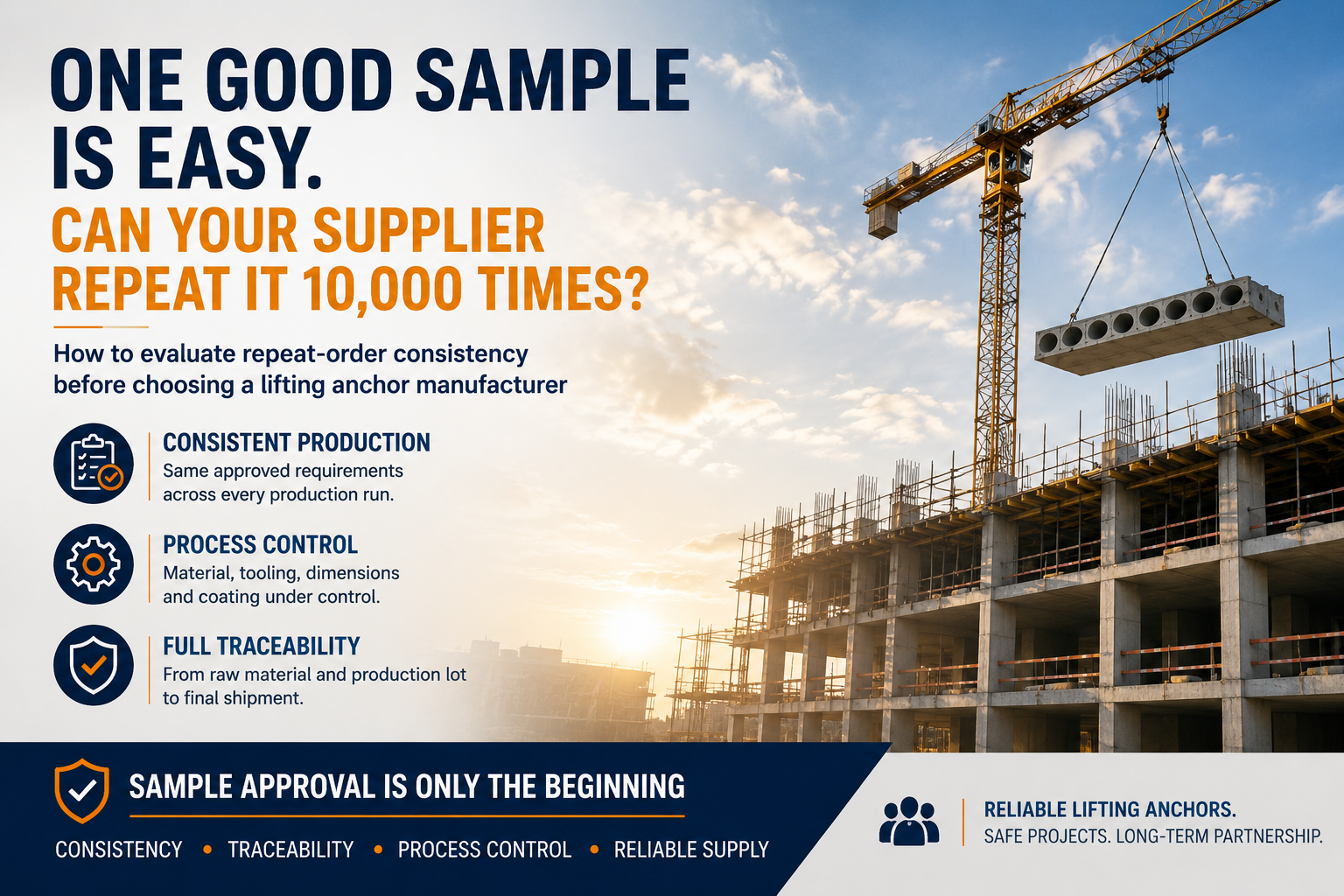
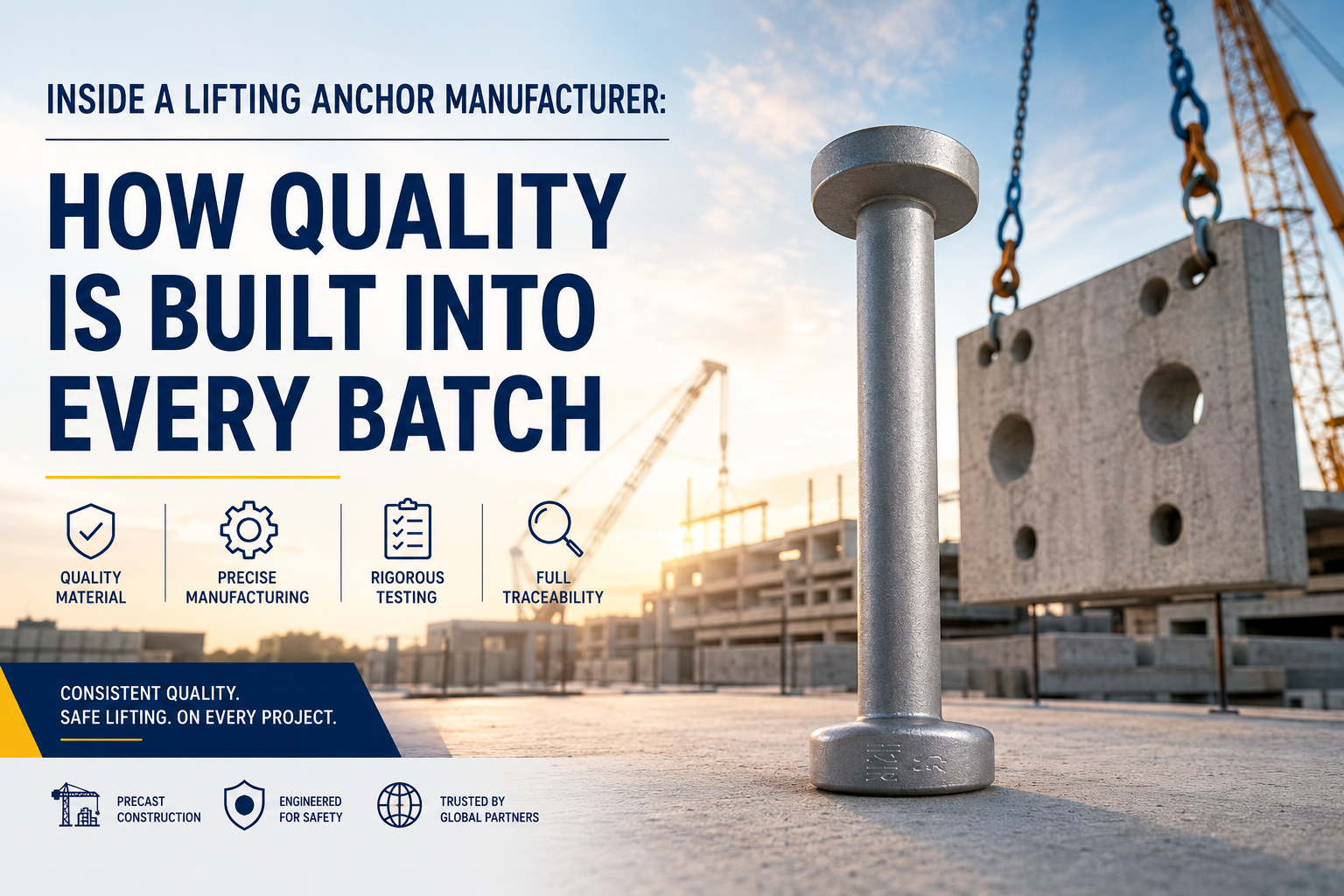
Batch Consistency: ERP-driven production systems guaranteeing that thousands of units perform with the same accuracy and quality.
These requirements establish the difference between a simple parts producer and a trusted factory partner in critical industries.
JINGLE’s OEM Advantage in Metal Parts Manufacturing
At JINGLE, precision metal parts are produced within a system designed to combine engineering expertise with factory-scale reliability. Unlike smaller workshops that may handle prototypes, JINGLE’s OEM factory provides seamless support from design collaboration to mass production.
-
Design-to-Manufacturing Integration: Engineers review CAD drawings, optimize machining strategies, and ensure feasibility before production begins.
-
Advanced Machining: Multi-axis CNC centers handle complex geometries, guaranteeing accuracy in high-stress components.
-
Surface Engineering: Galvanizing, anodizing, or epoxy coatings extend product life and adapt to challenging environments.
-
Quality Testing: In-house labs perform dimensional checks, tensile and fatigue tests, and corrosion simulations.
-
Global Logistics: Direct supply chains ensure reliable delivery, aligning production with multi-phase construction or assembly schedules.
This model ensures that JINGLE delivers not only parts, but confidence—confidence that each component is engineered, certified, and ready for industrial performance.
Applications of Precision Metal Parts in Key Industries
Precision metal parts support some of the most demanding global sectors:
-
Aerospace: High-strength titanium brackets, housings, and connectors tested under vibration and fatigue conditions.
-
Automotive: Gears, engine housings, and shafts manufactured with consistency for safety and performance.
-
Medical Devices: Biocompatible stainless steel or titanium components meeting strict regulatory standards.
-
Energy & Renewables: Turbine connectors, pump housings, and heavy-duty fasteners designed for corrosion resistance.
-
Heavy Equipment: Shafts, couplings, and custom metal components capable of handling continuous load cycles.
Each industry illustrates how OEM precision parts are not interchangeable commodities, but engineered elements that directly affect system performance.
From Prototype to Global Supply
The true strength of a precision metal parts manufacturer lies in its ability to scale. A single prototype can prove a design, but mass production defines success. JINGLE bridges this gap with factory direct OEM supply, where prototypes transition seamlessly into certified large-batch production.
This ability to maintain accuracy and compliance across thousands of units is what gives global contractors and distributors confidence in sourcing from JINGLE. Every delivery represents traceable, factory-certified quality backed by advanced manufacturing and ERP-driven logistics.
Building Reliability Through Certified Manufacturing
Precision is not just about tight tolerances; it is about ensuring that those tolerances are repeatable, certified, and globally recognized. With its combination of OEM customization, certified processes, and scalable production, JINGLE positions itself as a precision metal parts manufacturer trusted worldwide.
Discover more about JINGLE’s OEM precision metal parts solutions through the official website or explore tailored support options on the contact page.