1. Why Precast Anchor Sockets Are Essential
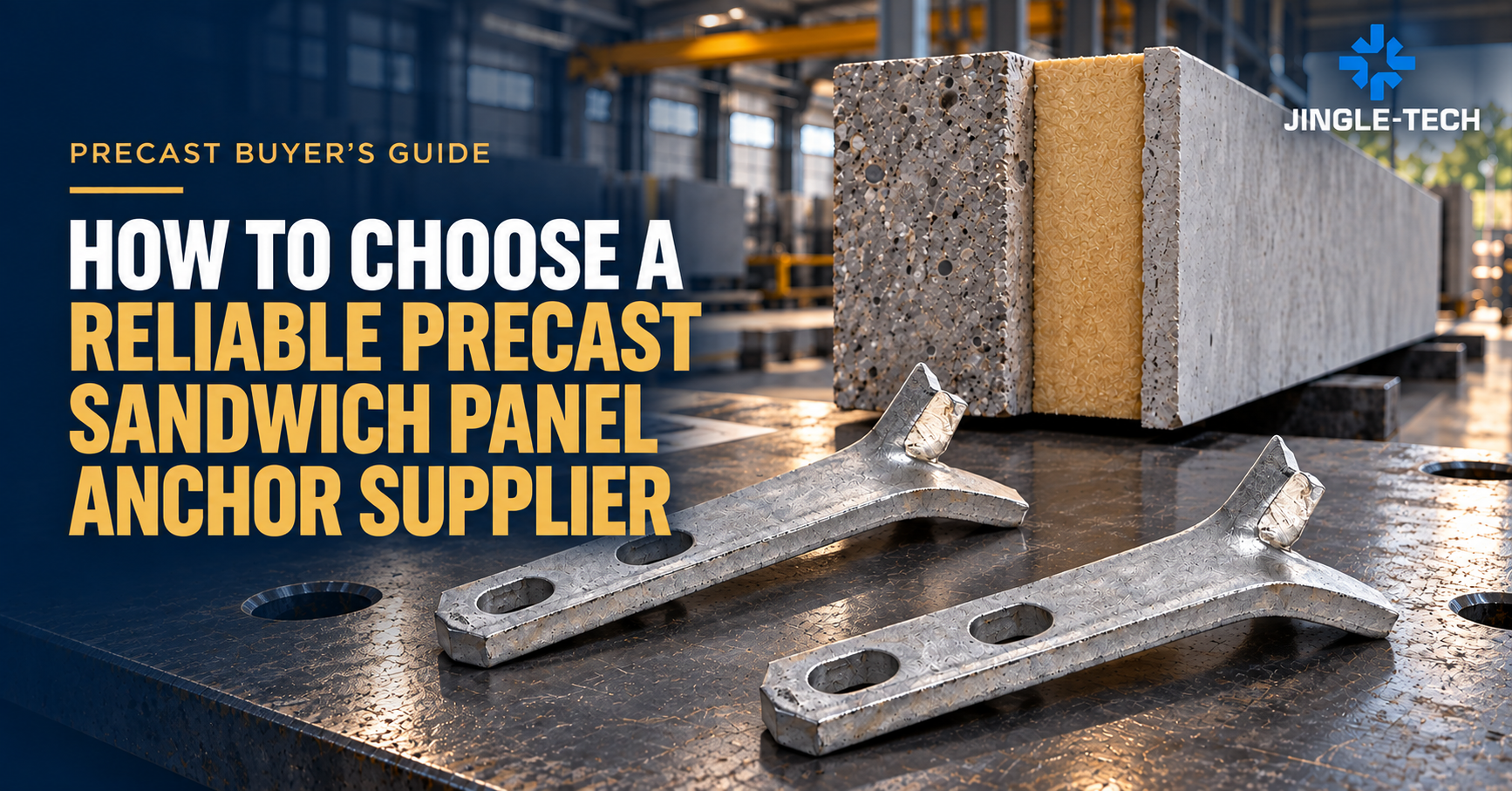
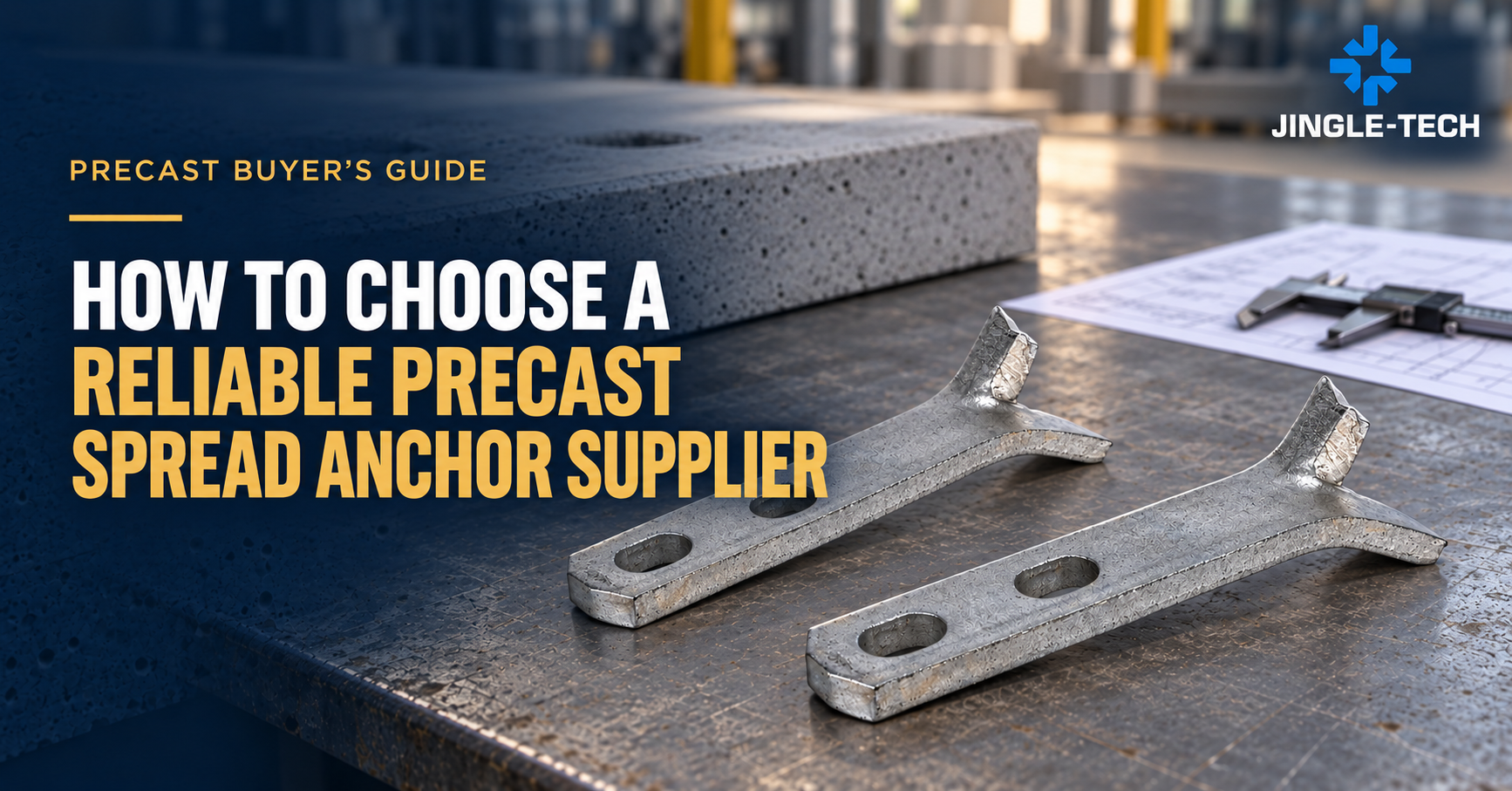
Precast concrete elements, like beams, panels, and columns, make construction faster and better. Lifting these heavy parts safely is critical.Precast Anchor Socketsare steel inserts embedded in concrete to create strong lifting points. They replace risky slings, ensuring safe handling from factory to site. These sockets are vital for projects like buildings, bridges, and tunnels, where heavy loads need secure lifting.
2. How Lifting Clutches Work
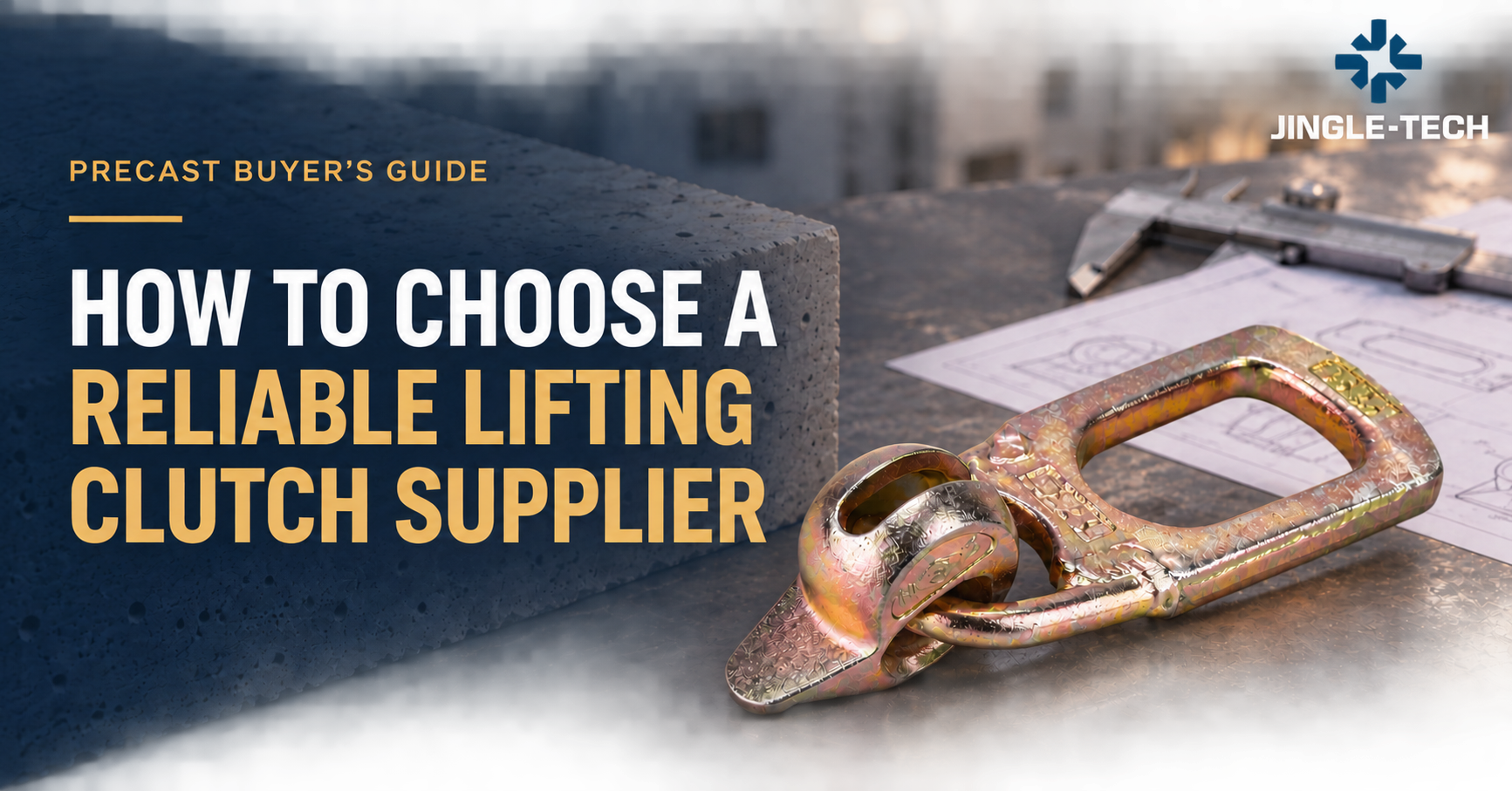
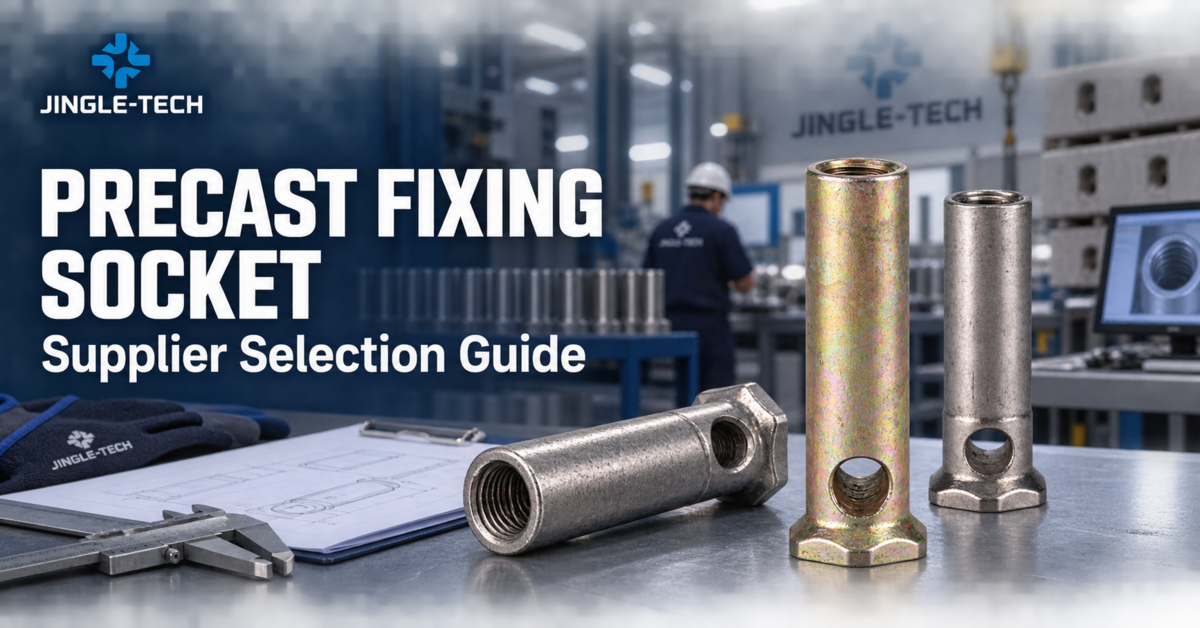
Precast Anchor Socketsare threaded steel parts placed in concrete before it sets. Their ribbed surface grips the concrete tightly, preventing pull-out. TheLifting Clutchlocks into the socket with a rotating head, forming a secure connection. This clutch only releases when the load is off, ensuring safety. It spreads lifting forces evenly, making it reliable for lifting various precast elements like walls or slabs.
3. Installing with Anchor Bolts
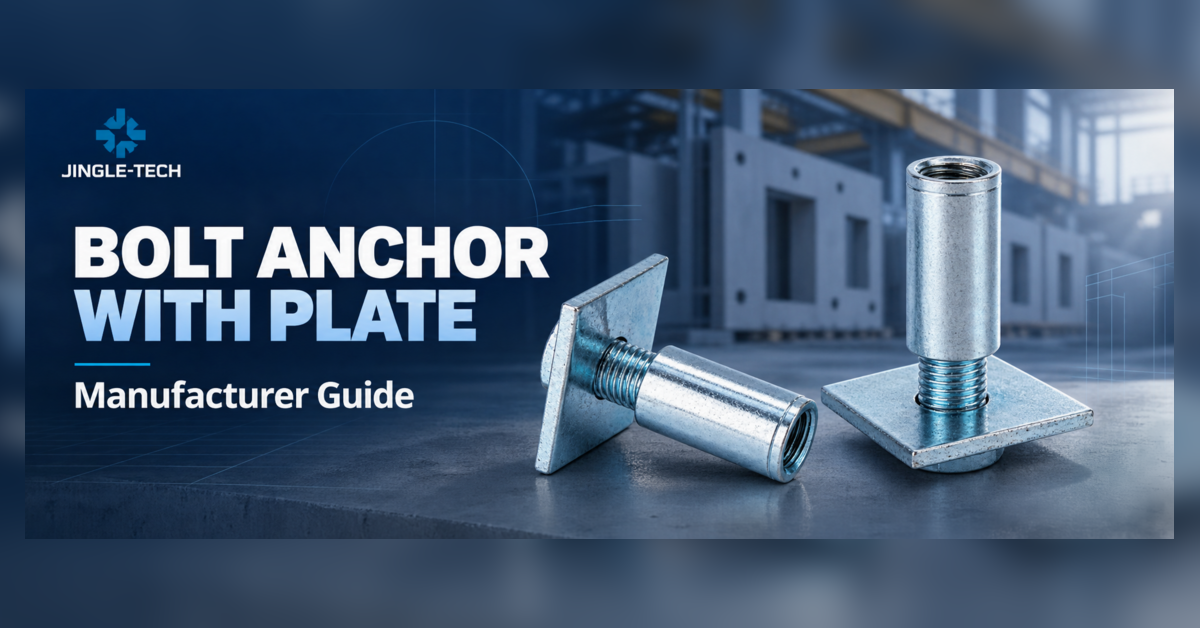
Correct installation is key forPrecast Anchor Sockets. Before pouring concrete, fix the socket to the formwork using anAnchor Bolt for Socket. This bolt threads into the socket and holds it steady during pouring. A plastic former creates a space around the socket, letting theLifting Clutchconnect easily after the concrete cures. Proper placement ensures the socket stays in the right spot for safe lifting.
4. Load Capacity and Safety Tips
EachPrecast Anchor SocketandLifting Clutchhas a Safe Working Load (SWL) from 1 to 30 tons. Load capacity depends on concrete strength, socket depth, and edge distance. Add steel bars for extra strength. Use a 3:1 or 4:1 safety factor to handle moving loads. CheckLifting Clutchesregularly for wear or damage to keep lifting safe and avoid accidents.
5. Types of Precast Anchor Sockets
Precast Anchor Socketscome in different types for various jobs:
- Threaded Sockets: Common for most precast lifting tasks.
- Flat End Sockets: Best for thin concrete panels.
- Wavy Tail Sockets: Extra grip for heavy loads.
- Stainless Steel Sockets: Rust-proof for marine or outdoor use.
- Galvanized Sockets: Affordable and corrosion-resistant.
- Pick the right socket based on load, concrete type, and environment for best results.
6. Buying Tips for Lifting Systems
When buyingPrecast Anchor SocketsandLifting Clutches, consider these tips:
- Load Rating: Match the SWL to your project’s needs.
- Material: Choose stainless steel for wet or salty environments.
- Standards: Select DIN or ISO-certified sockets for quality.
- Suppliers: Shop from trusted brands like Halfen, Reid, or Fastenal.
- Bulk Orders: Buy in bulk for large projects to save costs.
- Always check technical data sheets to ensure theAnchor Bolt for Socketfits your socket and project requirements.
7. Conclusion: Safe and Efficient Lifting
Precast Anchor SocketsandLifting Clutchesmake lifting heavy concrete parts safe and fast. UsingAnchor Bolts for Socketensures sockets stay in place during installation. By choosing the right socket type, following load limits, and checking equipment, construction teams can lift safely. This system is a must for modern precast construction, protecting workers and concrete elements.