OEM Machinery Components Factory: Delivering Custom Parts at Industrial Scale
Why OEM Machinery Components Matter
In heavy industries, standard components often cannot meet the demands of specialized equipment. OEM machinery components are designed to solve problems that off-the-shelf parts cannot—from unique geometries in excavators to fatigue-resistant connectors in turbines. By working with a factory that specializes in OEM customization, industrial projects gain components engineered to match precise drawings, environmental conditions, and compliance standards.
This shift toward OEM solutions reflects a broader trend: global projects now demand factory direct supply with documented quality and long-term reliability.
The Factory Difference in OEM Component Supply
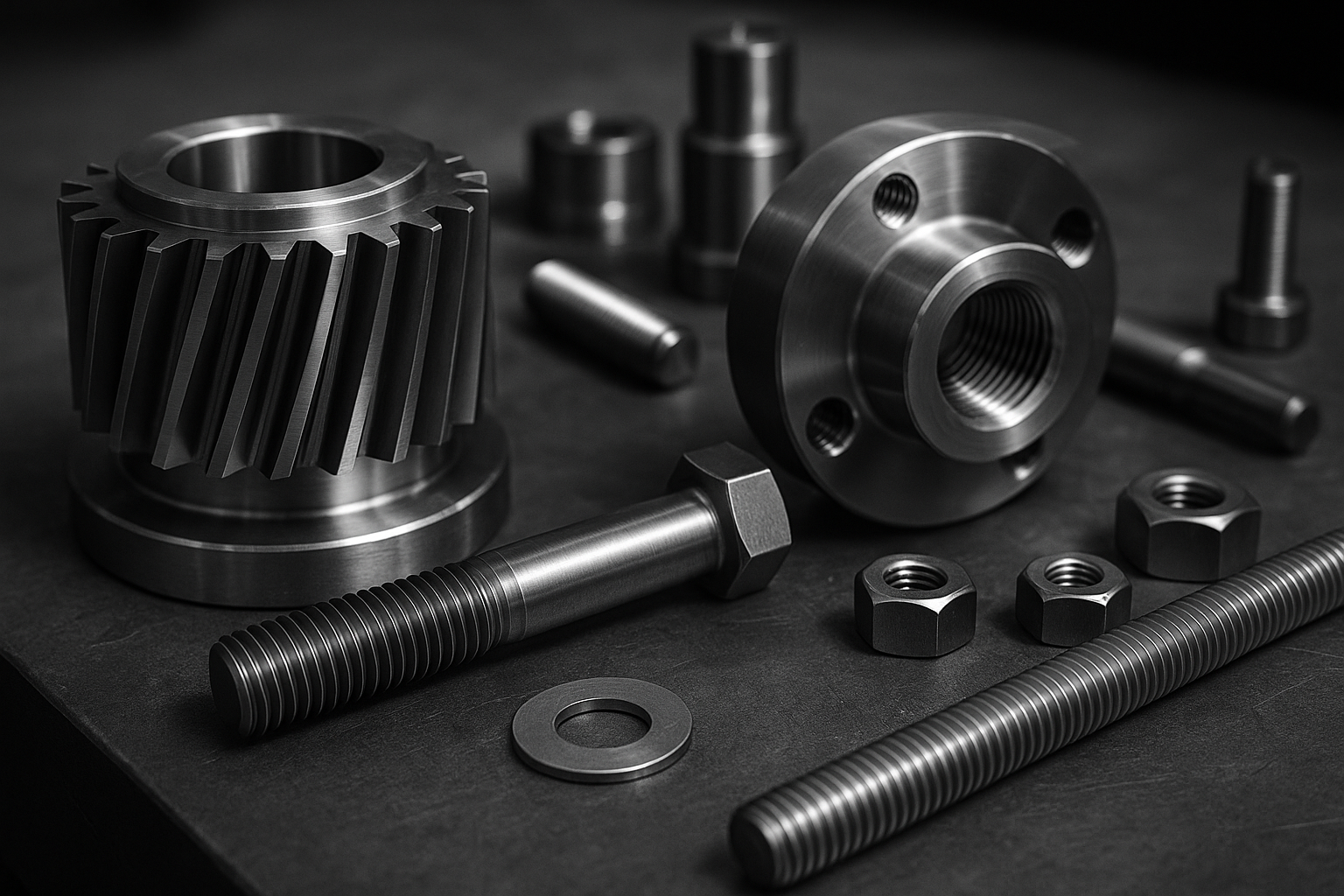
The value of an OEM machinery components factory is not simply in producing parts—it lies in its ability to transform designs into scalable, certified solutions. At JINGLE, the process starts with engineering collaboration, ensuring that CAD drawings translate into manufacturable designs without compromising performance. Multi-axis machining centers handle complex cuts, while surface treatments like galvanizing or heat coating prepare parts for extreme environments.
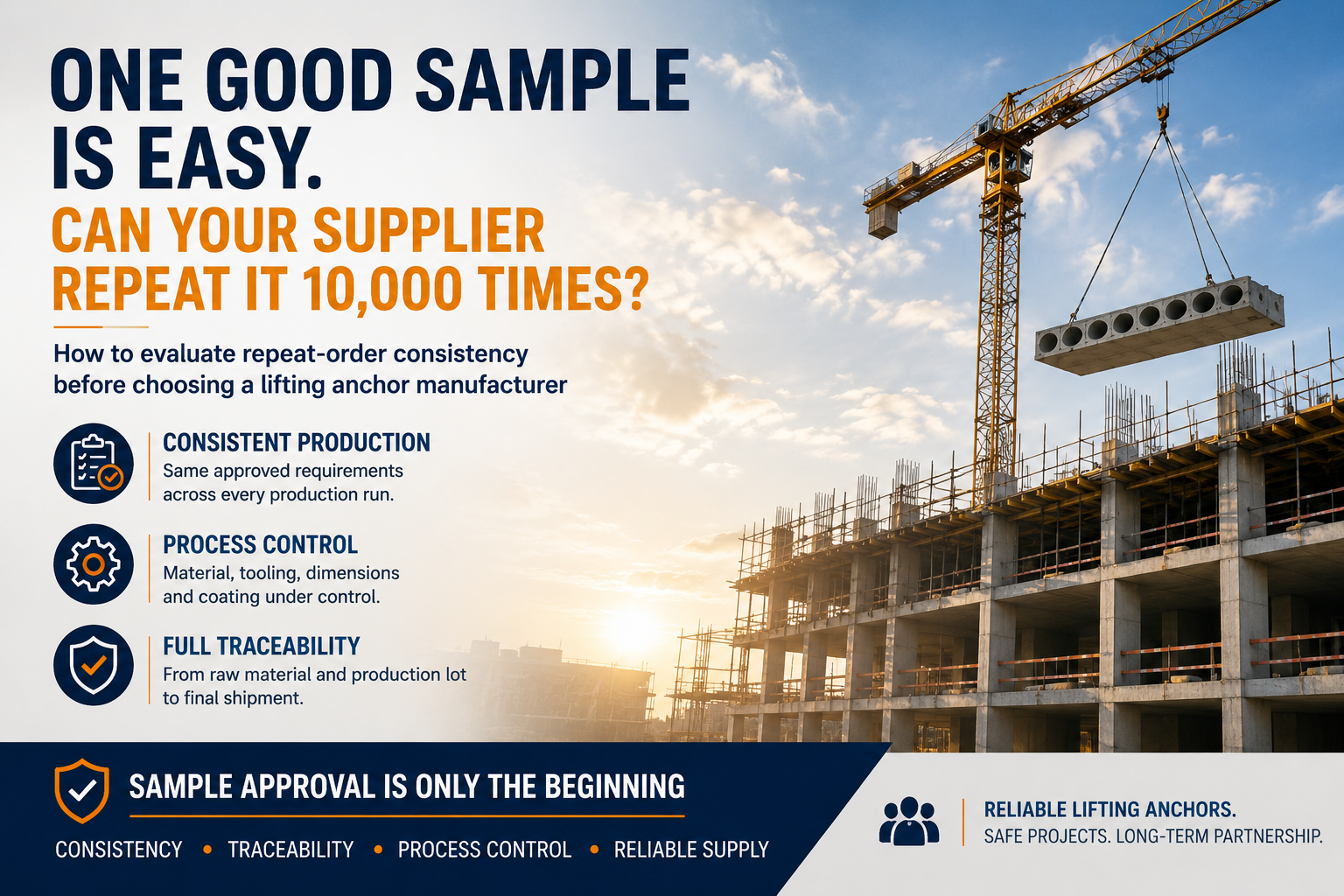
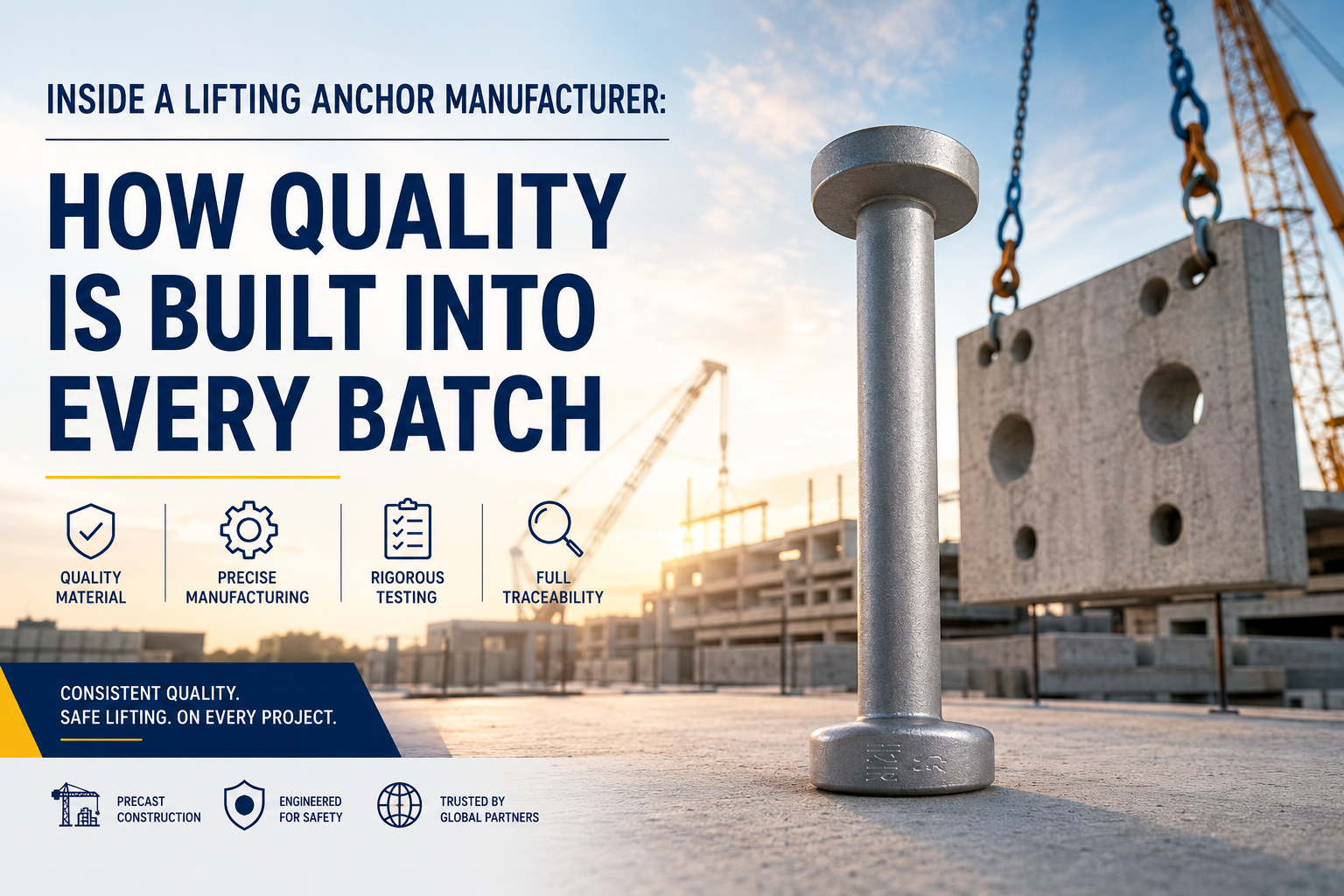
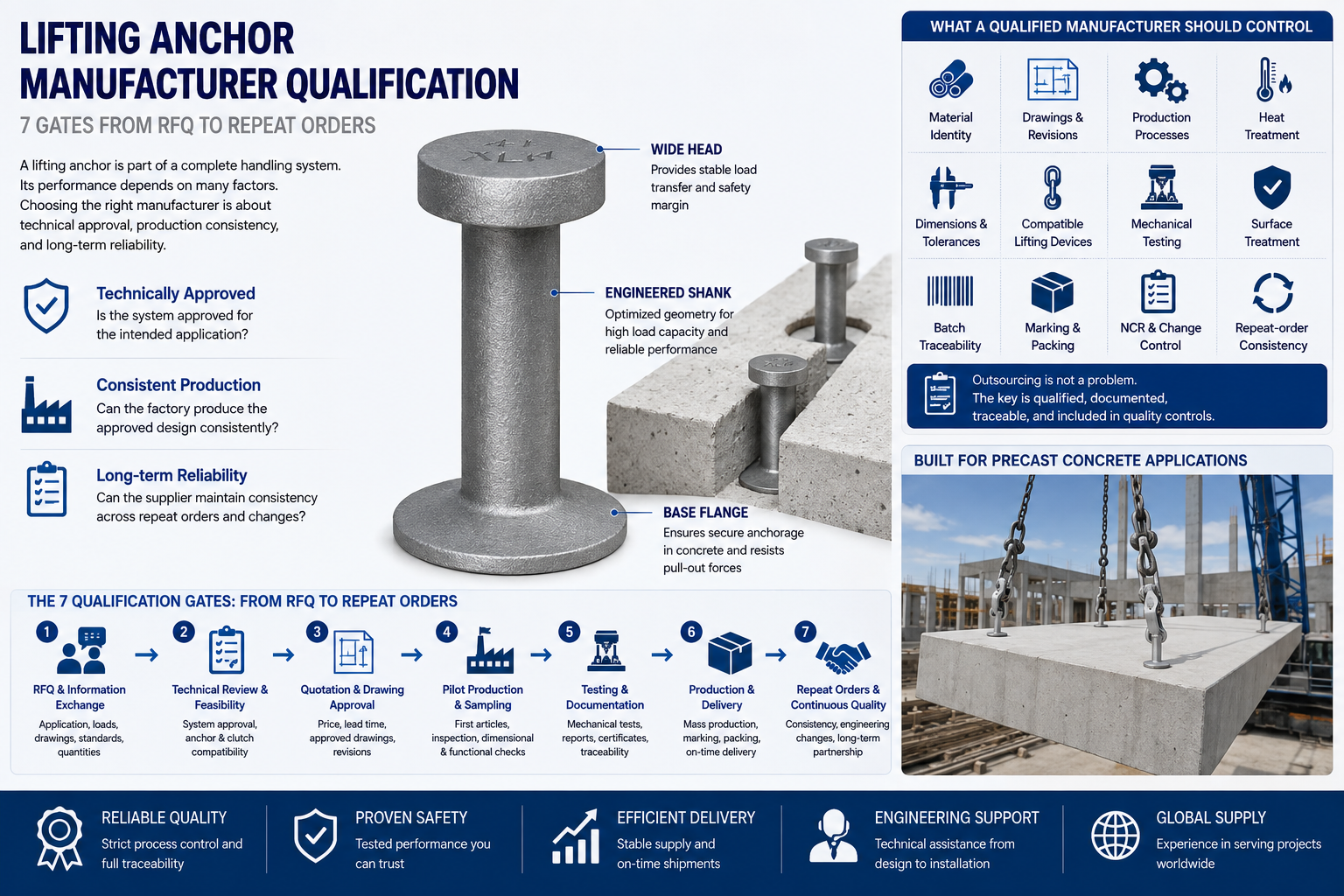
The critical factor is not producing one perfect part, but ensuring every unit in a batch of thousands performs identically. This consistency comes only from a factory environment where ERP-driven workflows, in-house testing, and certified processes are fully integrated.
JINGLE’s Strength as an OEM Machinery Components Factory
As an established manufacturer, JINGLE combines precision with scale. Its OEM-focused approach allows clients to move seamlessly from prototypes to industrial-scale supply. The factory integrates:
-
OEM Customization at Scale: Non-standard parts, unique alloys, and surface finishes matched to project requirements.
-
Certified Manufacturing: Compliance with ISO, CE, and ASTM standards, ensuring acceptance across global markets.
-
Batch Consistency: ERP-controlled production that guarantees identical tolerances across large volumes.
-
Factory Direct Supply: Lower costs, shorter lead times, and transparent logistics without intermediary delays.
These capabilities position JINGLE not just as a supplier, but as a strategic partner for long-term industrial reliability.
Applications in Key Sectors
OEM machinery components form the hidden backbone of critical industries:
-
Construction Equipment: Shafts, housings, and heavy-duty fasteners for cranes, loaders, and drilling machines.
-
Energy Systems: Turbine connectors, pump housings, and wear-resistant components designed for high-stress environments.
-
Transportation and Logistics: CNC-machined parts in rail systems, aviation assemblies, and marine engines.
-
Manufacturing Machinery: Gears, brackets, and couplings that sustain automated production lines without downtime.
In each sector, performance depends on components that combine precision with durability—qualities only achievable through factory-level OEM production.
From Custom Design to Reliable Global Delivery
The challenge for industrial projects is not only producing custom parts but ensuring that production can be scaled, certified, and delivered on time. JINGLE bridges this gap with its OEM machinery components factory model, where engineering expertise, certified quality control, and global logistics work as one system.
Every delivery represents more than just a component—it carries the assurance of factory direct supply, compliance documentation, and consistent performance.
Learn more about JINGLE’s OEM machinery components solutions on the official website or connect through the contact page.