Understanding Lifting Loops: Essential Guide for Safe Material Handling
Lifting loops are a critical component in the world of rigging and material handling, providing a secure and efficient way to lift heavy loads. These versatile attachments, often made from durable materials like steel wire rope or synthetic fibers, are designed to form a closed loop that can be easily connected to cranes, hoists, or other lifting equipment. Whether you're in construction, manufacturing, or logistics, understanding lifting loops ensures safer operations and prevents costly accidents. This guide explores their uses, benefits, and best practices to help you incorporate them effectively into your workflow.
What Are Lifting Loops and How Do They Work?
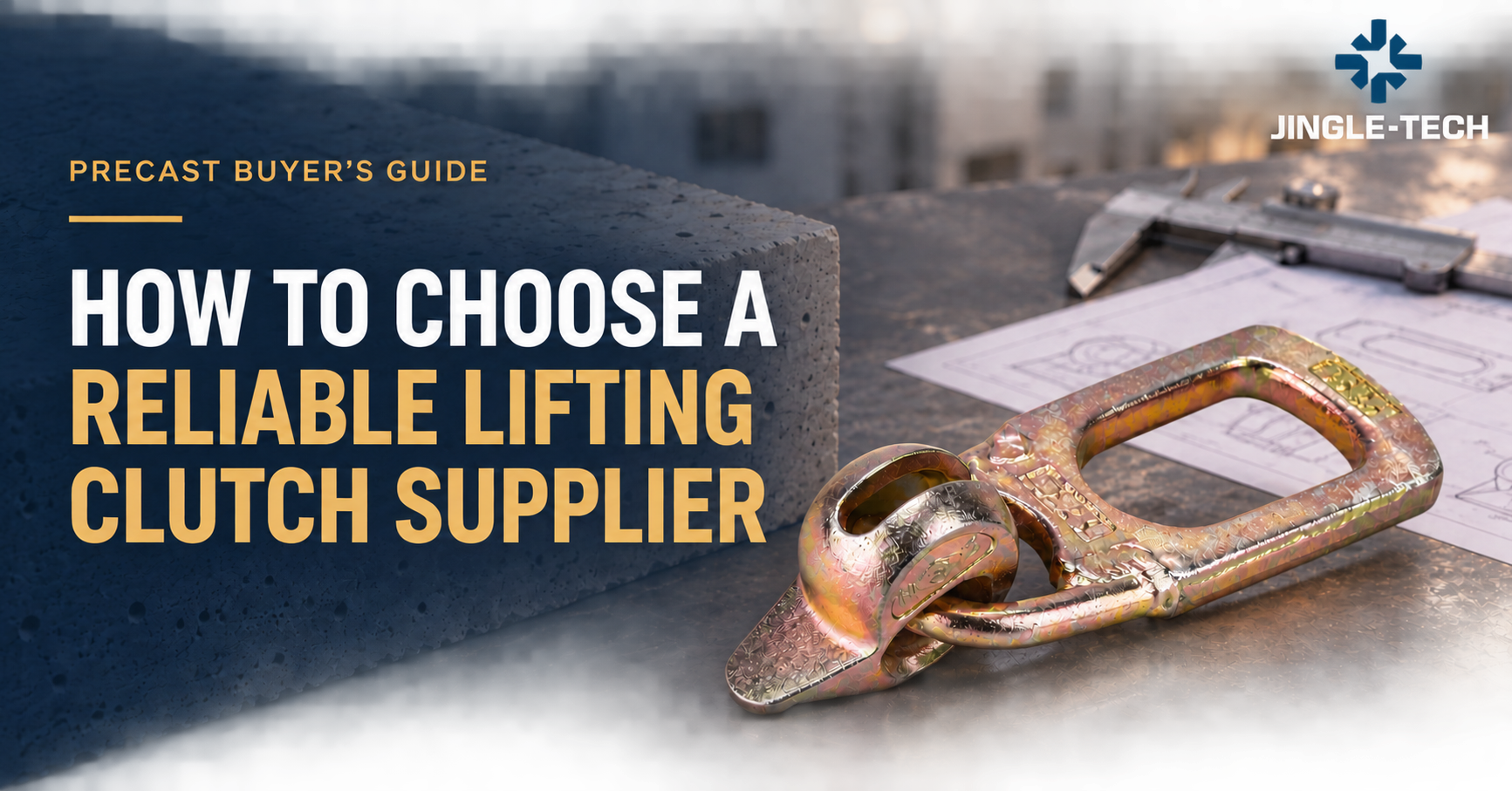
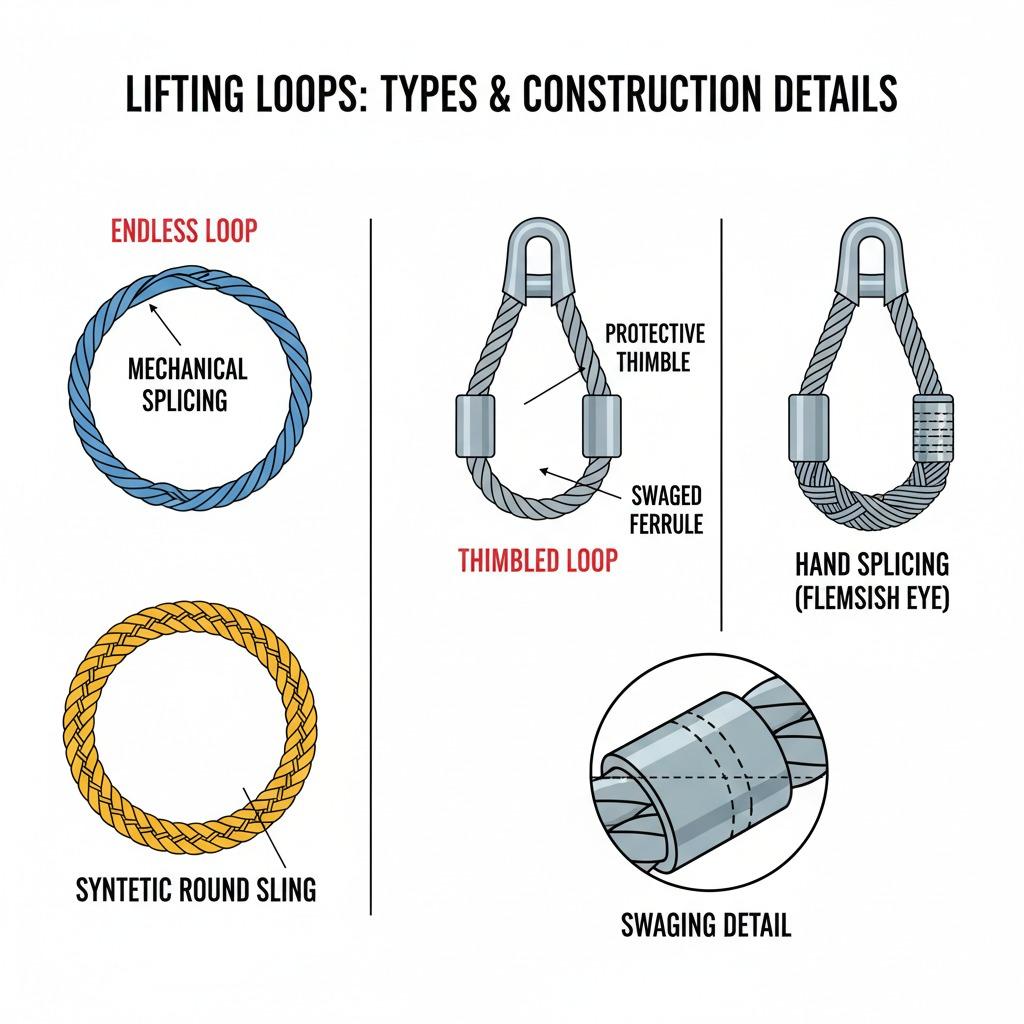
At their core, lifting loops are looped ends or attachments that distribute weight evenly during lifts. They can be swaged, spliced, or mechanically fastened to create a reliable connection point. For instance, in crane operations, a lifting loop might be attached to a concrete slab or steel beam, allowing for precise and controlled elevation. The design minimizes stress concentrations, reducing the risk of failure under load. When selecting lifting loops, consider factors like load capacity, which is typically rated in tons, and environmental conditions such as corrosion resistance for outdoor use. Proper inspection before each use is vital; look for signs of wear, fraying, or deformation to maintain safety standards set by organizations like OSHA.
Applications of Lifting Loops in Various Industries
Lifting loops find widespread application across multiple sectors. In construction, they are indispensable for hoisting prefabricated elements like panels or machinery into place on high-rise buildings. The manufacturing industry uses them for transporting heavy components on assembly lines, while in shipping and maritime operations, lifting loops secure cargo containers during loading and unloading. Their adaptability also extends to rescue operations, where they aid in extracting equipment from difficult terrains. By choosing the right type—such as endless loops for flexibility or thimbled loops for added protection—you can tailor them to specific needs, enhancing productivity and reducing downtime. Innovations in materials, like high-strength polymers, have made modern lifting loops lighter yet stronger, supporting eco-friendly practices by minimizing energy consumption in lifts.
Best Practices for Using and Maintaining Lifting Loops
To maximize the effectiveness of lifting loops, always pair them with compatible hardware, such as shackles or hooks, ensuring all components are rated for the total load. Training personnel on proper rigging techniques is essential; this includes calculating the center of gravity and avoiding side-loading that could compromise the loop's integrity. Regular maintenance involves cleaning to remove debris and storing loops in a dry, shaded area to prevent UV degradation. If damage is suspected, retire the loop immediately—better safe than sorry. By adhering to manufacturer guidelines and conducting periodic load tests, you can extend the lifespan of your lifting loops and foster a culture of safety in your operations. Ultimately, investing in quality lifting loops not only complies with regulations but also boosts operational efficiency, making them a smart choice for any heavy-duty task.