Lifting Clutch for Precast Concrete: Essential Insights and Applications
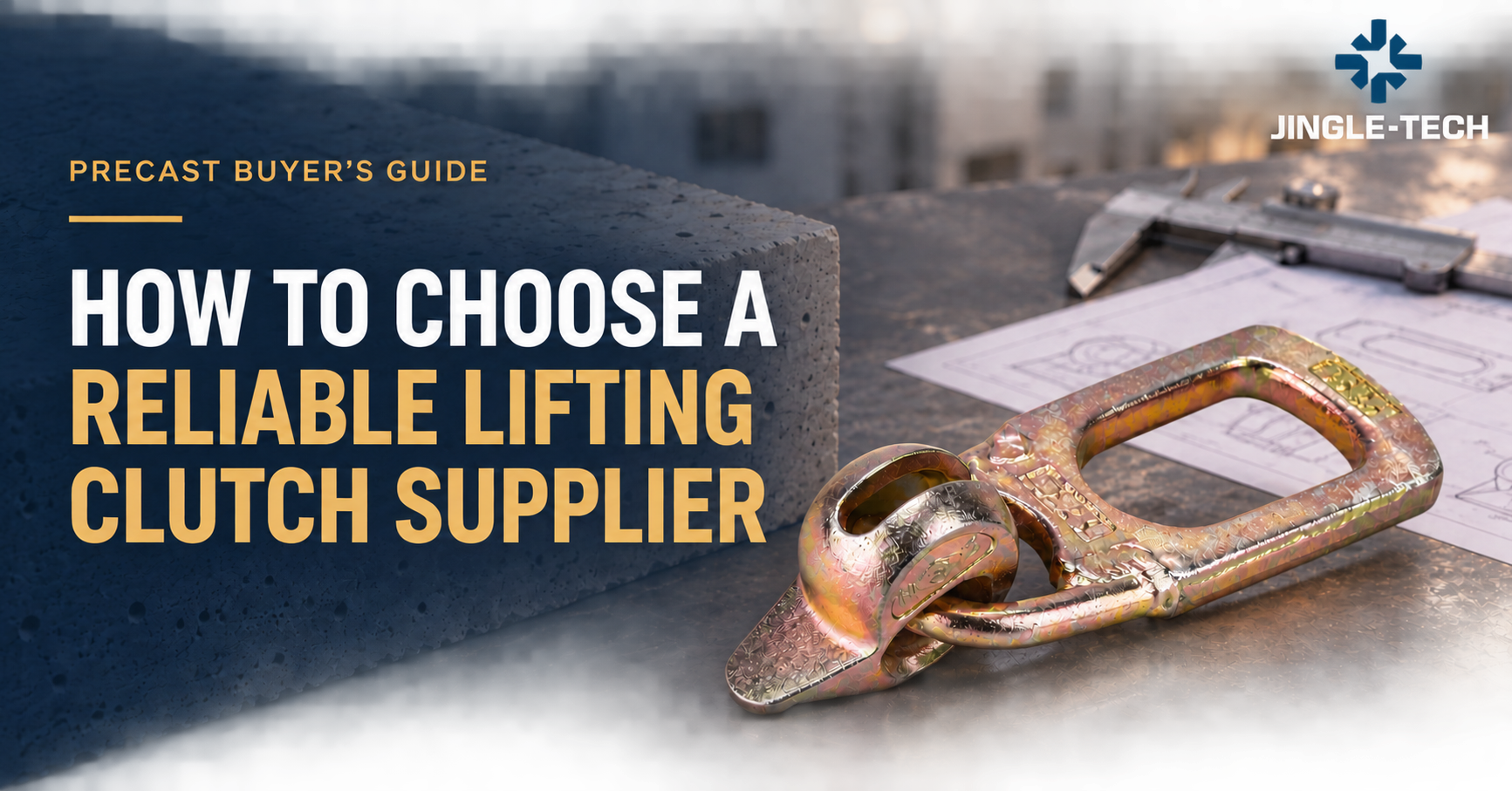
In the world of construction, the lifting clutch for precast concrete stands out as a critical component that ensures safe and efficient handling of heavy elements. This innovative device allows workers to securely attach and lift precast concrete panels, beams, and other structures without compromising structural integrity. Designed to integrate seamlessly with embedded anchors, a lifting clutch for precast concrete provides the necessary grip strength to manage loads during transportation, installation, and positioning on-site. As precast concrete becomes increasingly popular for its speed and durability in modern building projects, understanding the role of this tool is vital for contractors and engineers alike.
Understanding Lifting Clutch Mechanics
A lifting clutch for precast concrete operates on a principle of mechanical interlocking, where it engages with specially designed inserts cast into the concrete. This system distributes the load evenly, minimizing the risk of cracking or deformation in the precast elements. Typically made from high-strength steel, the clutch features a threaded or bolted connection that locks into place, allowing for quick attachment to cranes or hoists. One key advantage is its reusability; after lifting, the clutch can be released and reused for multiple operations, which aligns with sustainable construction practices by reducing material waste. In practice, selecting the right size and capacity of a lifting clutch for precast concrete is crucial, as it must match the weight and dimensions of the concrete piece to ensure compliance with safety standards like those set by OSHA or European EN norms.
Integration with Lifting Pin Anchors
When discussing lifting solutions, lifting pin anchors play a complementary role to the lifting clutch for precast concrete. These anchors are embedded during the casting process and serve as the foundation for the clutch's engagement. Lifting pin anchors come in various configurations, such as headed or ring types, each optimized for specific load directions and concrete thicknesses. By combining lifting pin anchors with a compatible clutch, fabricators can achieve precise lifting points that prevent torsional stresses on the precast unit. For instance, in the production of tilt-up walls or floor slabs, installing multiple lifting pin anchors ensures balanced lifting, which is essential for large-scale projects like high-rise buildings or bridges. This synergy not only enhances safety but also speeds up the erection process, potentially cutting down on-site time by up to 30%.
Best Practices for Installation and Maintenance
Implementing a lifting clutch for precast concrete requires meticulous planning from the design phase through to fieldwork. During precast production, it's imperative to position the embedded components accurately, often using templates to align lifting pin anchors precisely. Once on-site, operators should perform pre-lift inspections to verify the clutch's condition, checking for wear, corrosion, or damage that could impair performance. Regular maintenance, such as lubrication of moving parts and certification checks every six months, extends the lifespan of these tools. Moreover, training programs for rigging teams emphasize the importance of load testing and using the correct sling angles to avoid overloading. By adhering to these best practices, construction firms can mitigate risks associated with lifting operations, fostering a safer work environment and reducing costly downtime.
Future Trends in Precast Lifting Technology
Looking ahead, advancements in materials and design are poised to revolutionize the lifting clutch for precast concrete. Innovations like corrosion-resistant coatings and smart sensors that monitor load in real-time could further enhance reliability. As sustainability drives the industry, eco-friendly alloys and recyclable components in lifting pin anchors will gain traction, supporting green building certifications. For precast manufacturers, adopting these technologies means staying competitive in a market increasingly focused on efficiency and environmental responsibility. Ultimately, the evolution of the lifting clutch for precast concrete underscores its indispensable role in shaping the future of durable, fast-paced construction methodologies.