Welcome to our website
logo

Precision Washer Kits for Structural, Machinery, and Export Applications

  • blog
Posted by JINGLE On Aug 08 2025

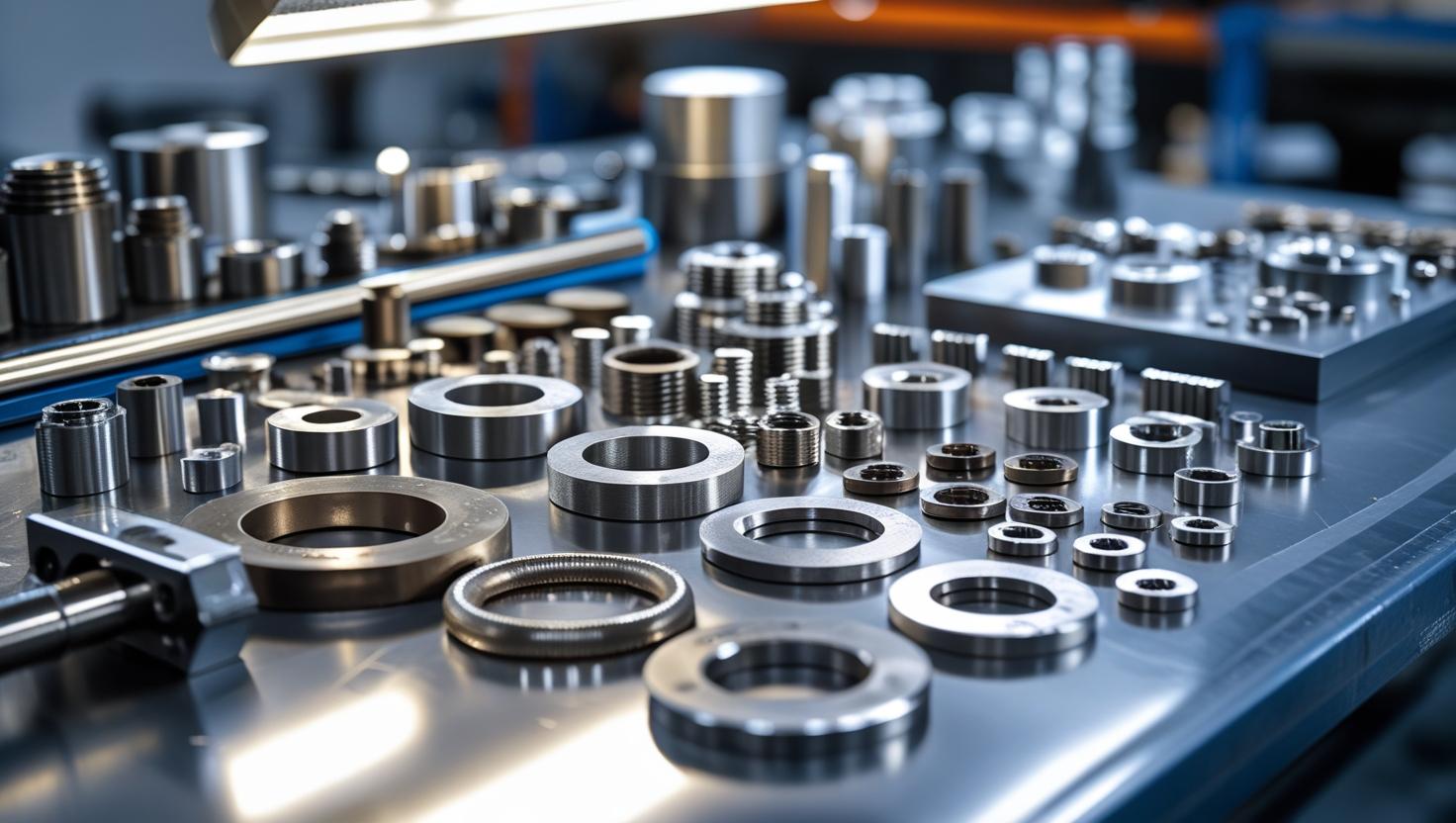
Jingle industrial washer kit with flat washers, spring washers, and sealing washers in labeled compartments

Precision Washer Kits for Structural, Machinery, and Export Applications

In steel structures, heavy machinery, and infrastructure builds, washers are more than just accessories—they are critical to load distribution, vibration resistance, and joint longevity. A well-prepared washer kit ensures the right type and size of washer is always available, eliminating delays and reducing the risk of assembly failures.

The Role of Washer Kits in Industrial Projects

Whether it’s bolting down bridge sections, assembling CNC equipment, or installing power transmission towers, using the right washer is essential for:

  • Preventing bolt loosening under vibration

  • Distributing load to prevent surface deformation

  • Protecting coatings on joined surfaces

  • Improving corrosion resistance in harsh environments

An industrial washer kit organizes multiple washer types—flat, spring, sealing—into one ready-to-use set for field or factory use.

Engineering Challenges and Kit-Based Solutions

1. Vibration-Induced Loosening in Heavy Equipment

In rail systems or large pumps, fasteners can lose tension over time.
Solution: Kits including spring washers and lock washers maintain preload and prevent mechanical failure.


2. Corrosion at Critical Joints

Offshore platforms, wind turbines, and coastal infrastructure face constant moisture exposure.
Solution: Stainless steel (SS304/SS316) and hot-dip galvanized washers, supplied in kits for quick replacement during maintenance.


3. On-Site Assembly Delays

In remote construction sites, searching for the correct washer size wastes valuable man-hours.
Solution: Pre-sorted washer kits with clear size markings, packed in durable cases for job site handling.

What Goes into a Professional Washer Kit

A Jingle industrial washer kit can include:

  • Flat washers: for even load distribution

  • Spring washers: for vibration resistance

  • Sealing washers: for moisture protection in electrical or marine applications

  • Specialty washers: beveled, tab, or cup types for specific designs

Material Options: Carbon steel, stainless steel, brass, nylon, or engineered composites.

Industry-Specific Kit Configurations

  • Construction Engineering: Large-diameter washers for anchor bolts in steel frames

  • Machinery Manufacturing: Precision washers for rotating assemblies and shaft supports

  • Transportation Infrastructure: Anti-vibration kits for rail and highway applications

  • Energy Projects: Corrosion-resistant sealing washers for wind and solar installations

Jingle’s Washer Kit Advantage

  • Tailored assortments based on project drawings and specifications

  • Certified materials with batch traceability and inspection reports

  • Export-ready packaging with neutral cartons, HS code labels, and full documentation (CO, CI, PL, RoHS)

  • Scalable supply from sample runs to high-volume shipments

  • OEM integration with matching bolts and nuts for complete fastener kits

Securing Every Connection

In projects where each joint must withstand years of load, vibration, and environmental stress, the right washer kit makes all the difference.
With Jingle, you receive washer kits built for the demands of your industry, packaged for efficiency, and compliant for global delivery.

📦 Explore our washer kits
📩 Request a custom industrial washer kit quote
Featured Blogs

Tag:

  • Industrial Application Solutions
Share On
Featured Blogs
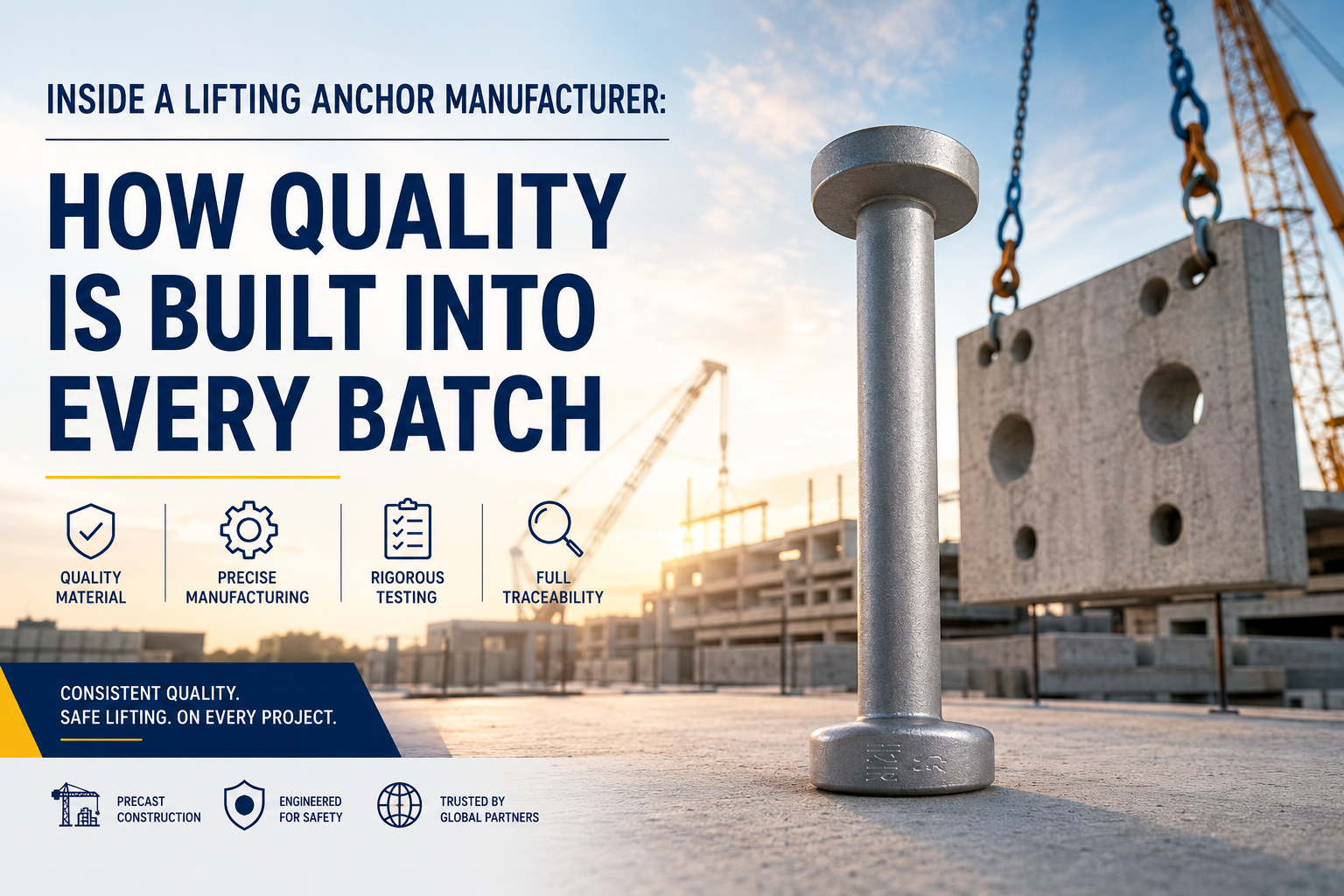
Inside a Lifting Anchor Manufacturer: How Quality Is Built Into Every Batch

Inside a Lifting Anchor Manufacturer: How Quality Is Built Into Every Batch

This article takes precast buyers inside the manufacturing process, explaining how lifting anchor quality is controlled from material receipt and forming to heat treatment, critical-dimension inspection, surface finishing, testing, marking, traceability, and repeat production. It also provides factory-audit questions, a document checklist, common warning signs, and practical FAQs.

Inside a Lifting Anchor Manufacturer: How Quality Is Built Into Every Batch

Inside a Lifting Anchor Manufacturer: How Quality Is Built Into Every Batch

This article takes precast buyers inside the manufacturing process, explaining how lifting anchor quality is controlled from material receipt and forming to heat treatment, critical-dimension inspection, surface finishing, testing, marking, traceability, and repeat production. It also provides factory-audit questions, a document checklist, common warning signs, and practical FAQs.

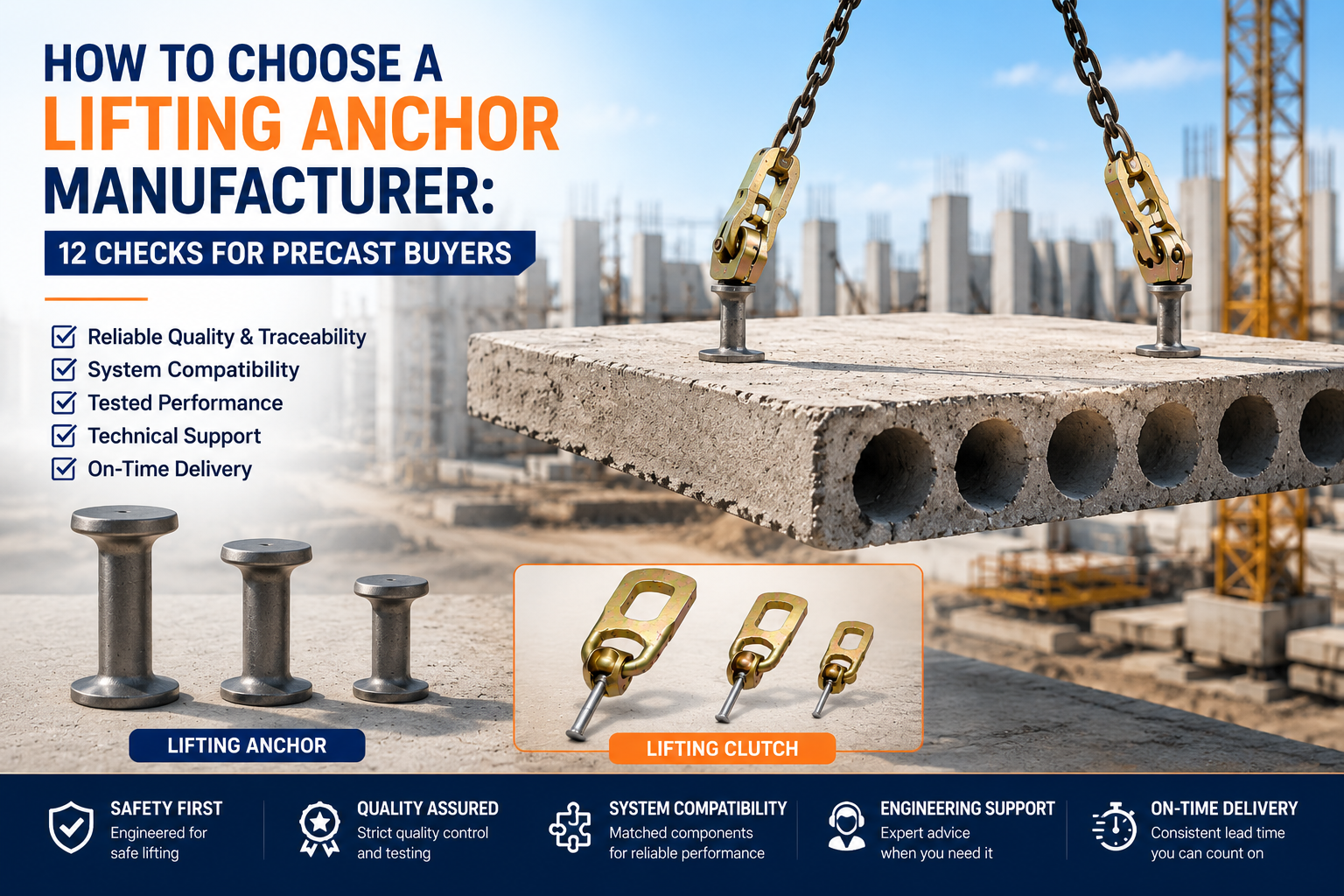
How to Choose a Lifting Anchor Manufacturer: 12 Checks for Precast Buyers

How to Choose a Lifting Anchor Manufacturer: 12 Checks for Precast Buyers

This guide helps precast concrete buyers evaluate lifting anchor manufacturers based on application fit, system compatibility, technical documentation, material and process control, traceability, testing, quality management, production readiness, and engineering support. It includes a supplier scorecard, an RFQ checklist, common warning signs, and practical FAQs.

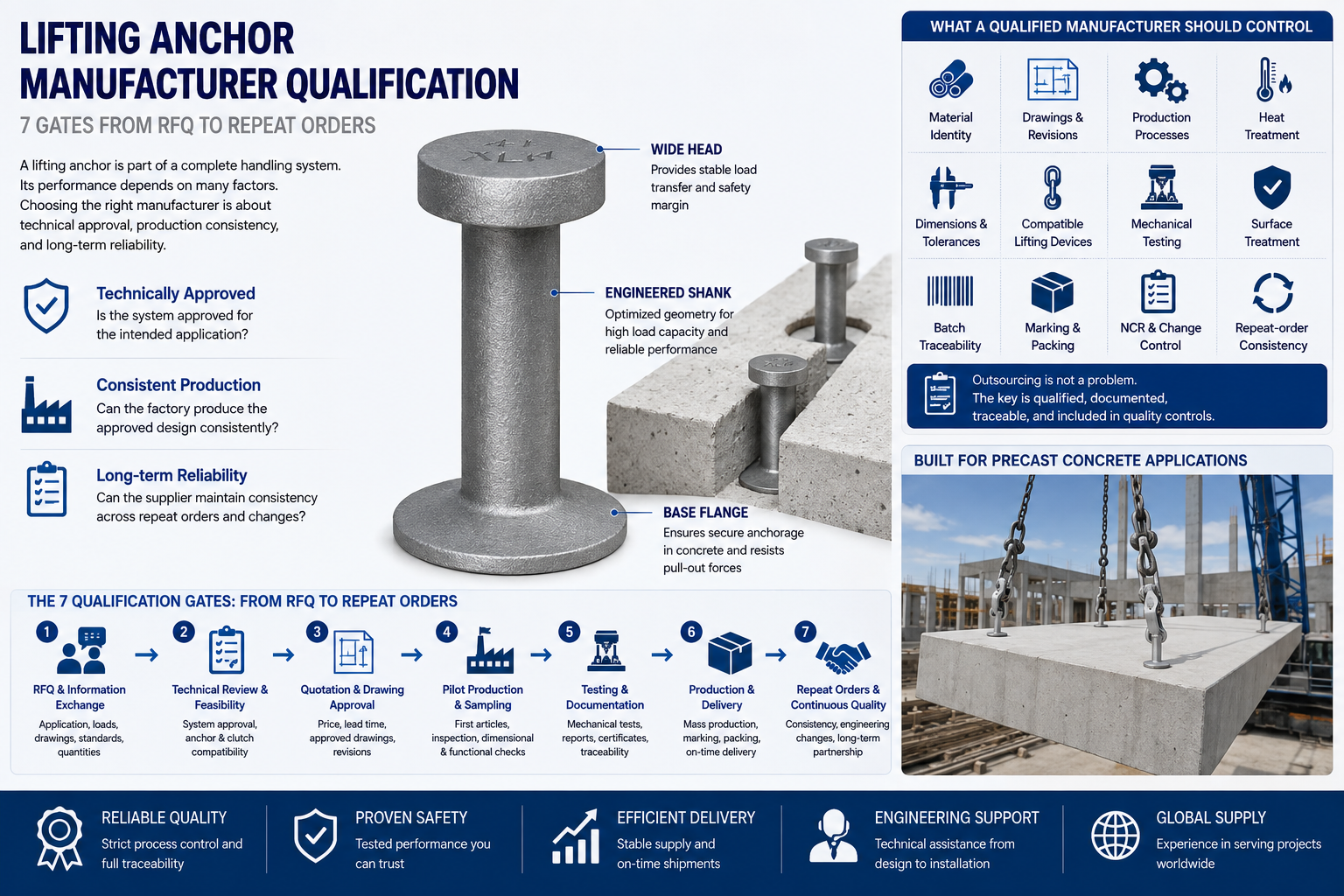
Lifting Anchor Manufacturer Qualification: 7 Gates From RFQ to Repeat Orders

Lifting Anchor Manufacturer Qualification: 7 Gates From RFQ to Repeat Orders

This guide explains how precast concrete buyers can qualify a lifting anchor manufacturer through seven decision gates, covering application review, system compatibility, factory process control, technical evidence, sample approval, pilot production, traceability, and repeat-order management. It also provides an audit table, RFQ checklist, cost model, warning signs, and practical FAQs.

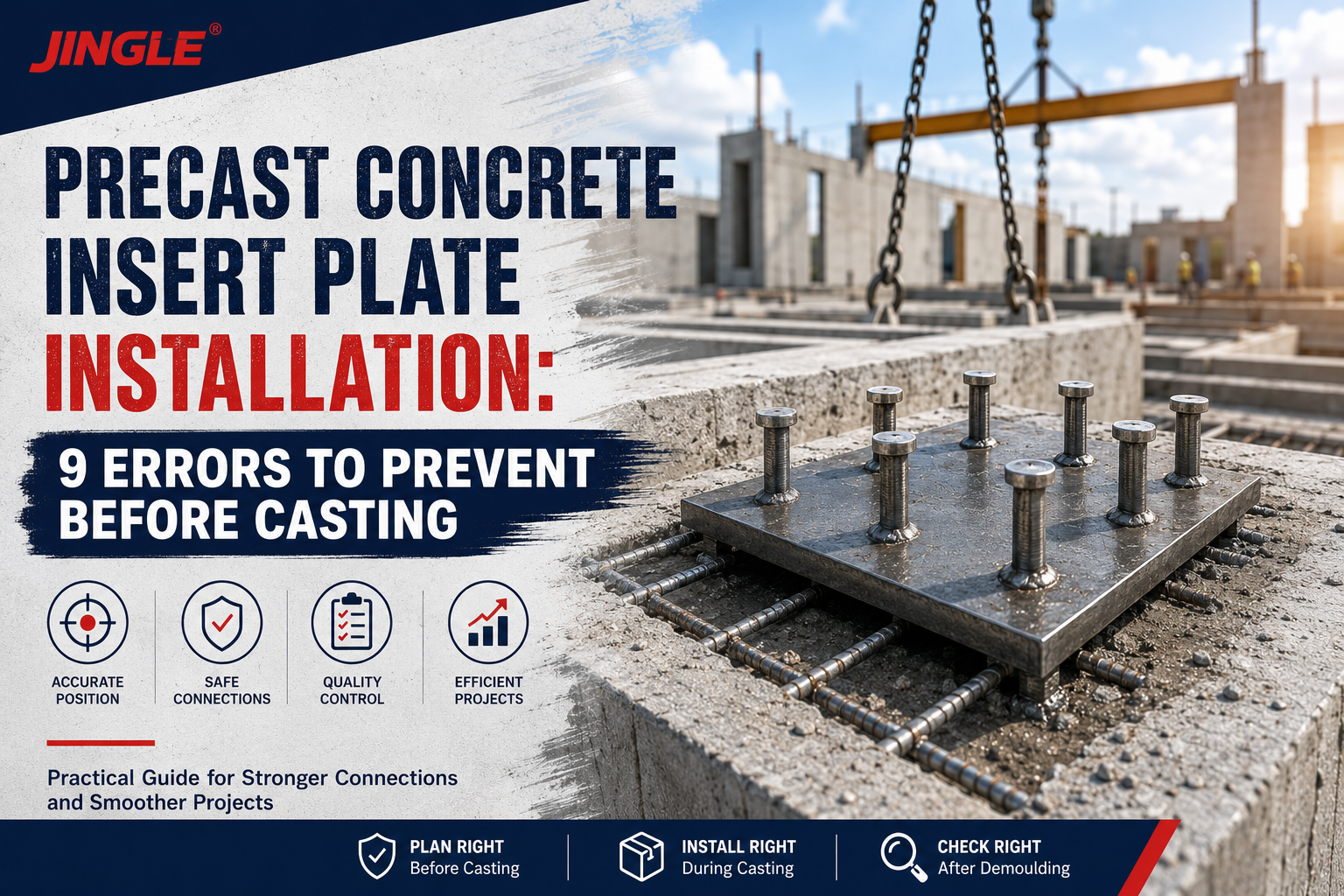
Precast Concrete Insert Plate Installation: 9 Errors to Prevent Before Casting

Precast Concrete Insert Plate Installation: 9 Errors to Prevent Before Casting

Learn how to prevent positioning, reinforcement, welding, coating, concrete-placement, and inspection errors when installing precast concrete insert plates before casting.

How to Specify Precast Concrete Insert Plates with Welded Studs

How to Specify Precast Concrete Insert Plates with Welded Studs

A practical guide for engineers and procurement teams evaluating precast concrete insert plates. Learn how to define plate material, stud layout, weld quality, surface finish, reinforcement clearance, inspection records, and supplier requirements before approving production.