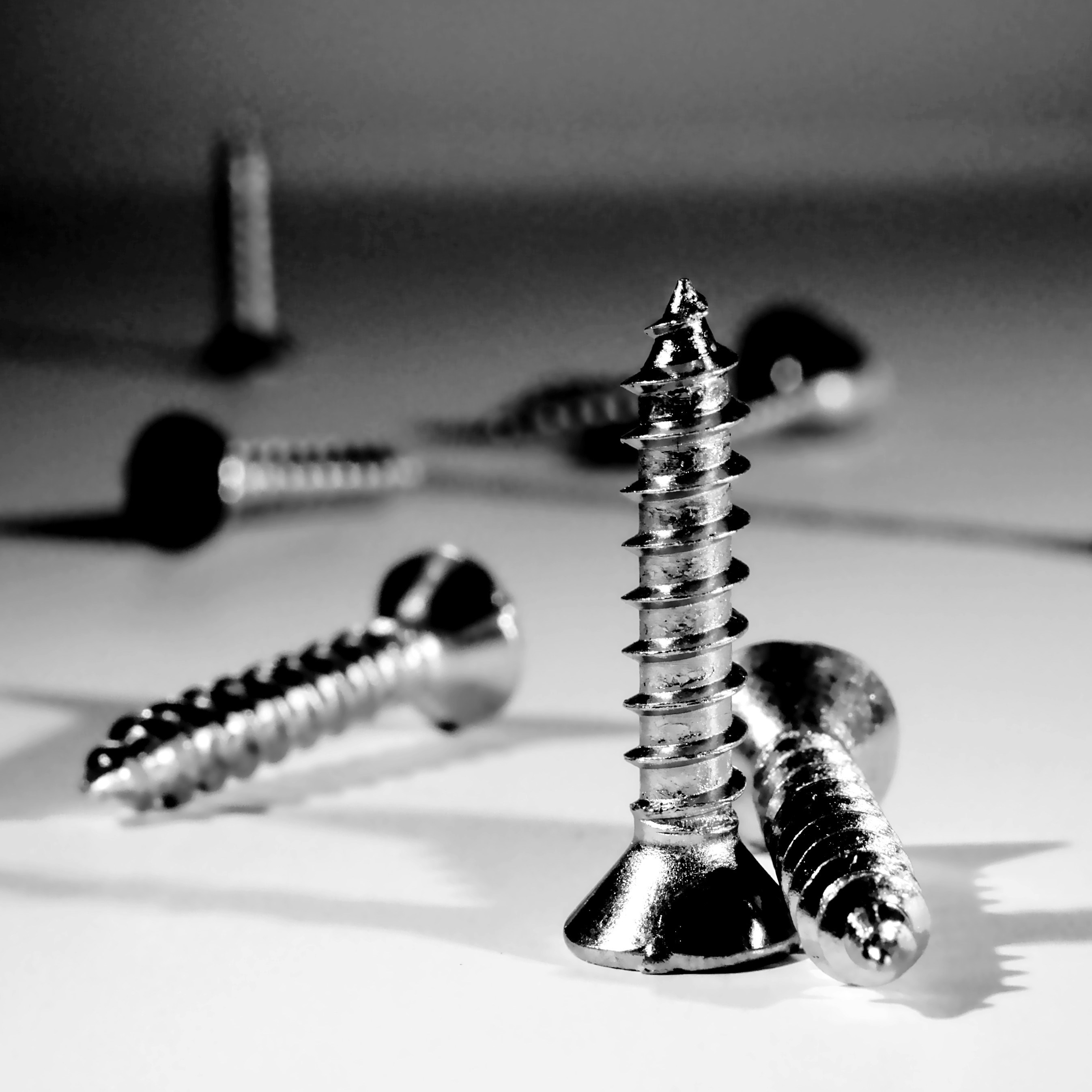
Mastering Screw Sizes: How to Choose the Right Fastener for Every Application
Choosing the right fastener is crucial for the success of any project—whether you're assembling machinery, constructing infrastructure, or working on a DIY project. But one of the biggest challenges many face is understanding screw sizes and their corresponding thread pitches, diameters, and materials. With so many types of screws available, it can be overwhelming to determine the best fit for your needs.
In this article, we’ll guide you through how to use a screw size chart, explain the different screw types, and help you make the right decision when choosing fasteners for concrete, wood, metal, or composite materials. From corrosion-resistant fasteners to heavy-duty machine screws, we’ve got you covered.
Understanding Screw Sizes: Breaking Down the Dimensions
A screw size chart can be intimidating at first, but it’s a straightforward tool once you understand the basics. The size of a screw is defined by several key dimensions:
-
Diameter: This is the width of the screw shaft, measured across the outer threads. It's usually given as a number (e.g., #8 or M6), indicating the nominal size.
-
Length: This measures from the underside of the screw head to the tip. It’s critical to choose the right length for the material you’re fastening.
-
Thread Pitch: This is the distance between threads, and it determines how tightly the screw fits. Fine threads (more threads per inch) are ideal for harder materials, while coarse threads are better for softer materials like wood.
-
Head Type: Different head shapes (e.g., pan, flat, hex) affect how the screw fits into the material and what tools you can use to install it. For example, Torx screws offer better grip, reducing the risk of stripping.
By understanding these key dimensions, you can use a screw size chart to quickly identify the best screw for your project.
Common Screw Types and Their Best Uses
Each type of screw is designed for a specific purpose, and knowing which type to use is essential for a secure fit. Here are some of the most commonly used screws in construction and industrial applications:
Machine Screws
Machine screws are designed to fit into pre-tapped holes or nuts. They’re used in machinery, electronics, and appliances.
Advantages:
-
Available in fine or coarse threads
-
Ideal for metal-to-metal fastening
-
Available in stainless steel or carbon steel for corrosion resistance
Typical Applications:
-
Electrical enclosures
-
Industrial machinery
-
Computer hardware
Wood Screws
Wood screws are designed specifically for use in wood, with a sharper thread to prevent splitting and a smooth shaft for a tight grip.
Advantages:
-
Coarse threads grip wood securely
-
Often have self-tapping points to avoid pre-drilling
Typical Applications:
-
Decks and fences
-
Furniture assembly
-
Wooden frames
Concrete Screws
For fastening into concrete, masonry screws or concrete screws are designed with threads that bite into the material, ensuring a strong and durable hold.
Advantages:
-
Corrosion-resistant coatings (e.g., zinc or ceramic)
-
Self-tapping design for easy installation in concrete or brick
-
Heavy-duty options for high-load applications
Typical Applications:
-
Concrete foundations
-
Masonry walls
-
Anchor bolts for heavy-duty equipment
The Importance of Thread Pitch and Material Selection
The thread pitch and material selection are just as critical as screw length and diameter. The thread pitch affects the screw’s grip on the material. Coarse threads are ideal for softer materials like wood, while fine threads are designed for metal or harder materials.
Material selection is equally important. For example, stainless steel screws are resistant to rust and corrosion, making them ideal for marine environments or outdoor applications. Carbon steel screws, on the other hand, are better suited for indoor use or structural applications.
Choosing the Right Screw for the Right Project
A screw is only as good as the fit. Whether you're working on a construction project, machinery installation, or DIY renovation, choosing the right screw size is key to success. Here are some tips:
-
Match the thread type: Use fine threads for metal and coarse threads for wood.
-
Choose the right length: A screw should be long enough to anchor materials securely but not so long that it passes through the material.
-
Consider the material: For corrosion resistance, use stainless steel or galvanized screws for outdoor or high-moisture environments.
The Right Screw for Every Job
By understanding screw sizes, thread pitch, and material types, you can make the right choice for any fastening application. Whether you're working with wood, metal, or concrete, the correct screw size ensures a strong, durable hold that will stand the test of time.
If you need help navigating the world of fasteners or looking for a specific screw kit for your project, Jingle offers a wide range of industrial screws, tailored to meet your exact specifications.
Explore our full range of screws
Contact us for custom screw solutions or bulk quotes