Below are frequently asked questions about hose clamps, covering their purpose, usage, types, and maintenance.
What are hose clamps used for?
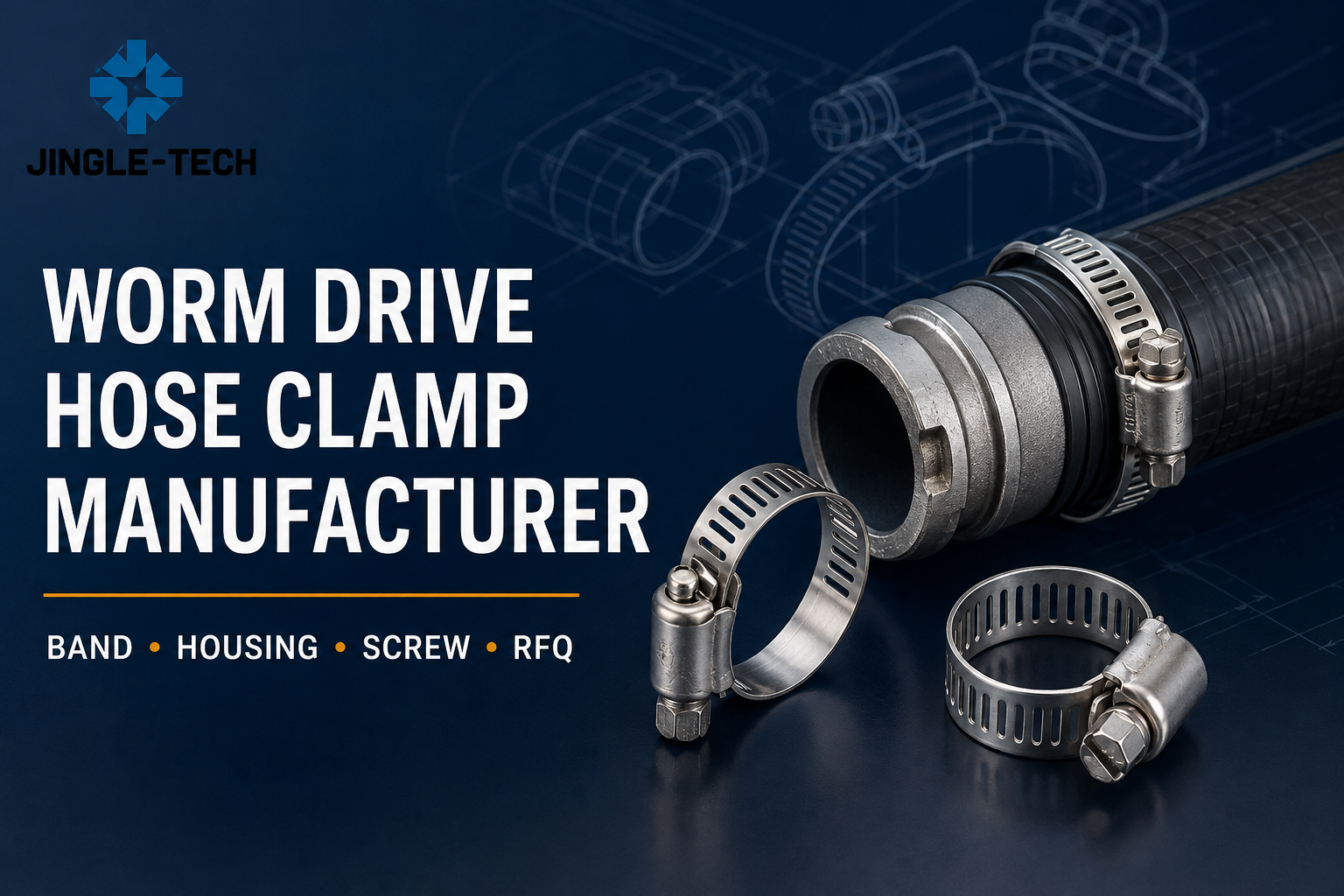
Hose clamps are essential components used to secure hoses onto fittings or pipes. They are widely used in various industries, including automotive, plumbing, and marine applications. By creating a tight seal, hose clamps prevent leaks and ensure the proper functioning of systems where fluid or air transport is critical. Hose clamps are a dependable choice when you need a simple yet effective solution for maintaining connections.
What types of hose clamps are available?
There are several types of hose clamps available to meet specific needs and conditions:
- **Screw/Band Clamps:** These are adjustable and consist of a stainless steel band with a screw mechanism. They are frequently used for automotive and home plumbing.
- **Spring Clamps:** Known for their durability and ease of installation, these clamps use a spring mechanism to provide consistent pressure.
- **Wire Clamps:** Ideal for lightweight applications, these clamps are shaped wires tightened using a fastener.
- **Ear Clamps:** These are designed for permanent installations and tightened using pliers during installation.
Choosing the right type depends on the requirements of your project, size constraints, and environmental factors such as temperature and potential corrosion.
How to choose the correct size of a hose clamp?
Choosing the correct size of a hose clamp is crucial for ensuring a secure and leak-free connection. Hose clamps are typically sized by their diameter range. Measure the outer diameter of the hose and the fitting combined, and select a clamp that fits securely within that range. It's important to avoid using clamps that are too large or too small, as they might compromise the seal and lead to system failure.
How can hose clamps be properly installed?
Proper installation of hose clamps is essential for their effectiveness:
1. **Clean the Hose and Fitting:** Ensure that both the hose and fitting are free of dirt, debris, and damage.
2. **Slide the Clamp:** Position the hose clamp over the hose before connecting it to the fitting.
3. **Position Correctly:** Ensure the clamp is placed evenly around the hose, close to the fitting.
4. **Tighten:** Use the appropriate tool to tighten the clamp until it creates a secure seal. Avoid overtightening, which can damage the hose.
How can I maintain my hose clamps?
To ensure the longevity and performance of hose clamps, regular maintenance is recommended:
- **Inspect Regularly:** Check for signs of rust, wear, or damage to ensure they are in good condition.
- **Clean When Necessary:** Remove any debris or buildup that may compromise performance.
- **Replace When Needed:** If a hose clamp becomes corroded or fails to provide a proper seal, replace it immediately.
Hose clamps may seem like simple tools, but their role in ensuring secure and efficient systems is invaluable. Remember these tips and FAQs to make the best use of them in your applications!