Choosing the Right High-Strength and OEM Head Bolts for Industrial Projects
Why Industrial Projects Demand High-Performance Fasteners
In sectors like bridge construction, heavy machinery, and wind power,bolt failure is not an option. Structural loads, environmental stress, and strict compliance requirements mean fasteners are more than a commodity—they’re a safety-critical component.
For engineers, the challenge lies in selectinghigh strength boltsandcustom OEM head boltsthat meet precise mechanical standards, coating specifications, and installation conditions. When paired withanchor boltsfor foundation applications, every detail matters—from material grade to packaging.
Understanding High Strength Bolts: Performance Overlooked Until It Fails
High strength bolts typically range fromGrade 8.8 to 12.9, or conform to ASTM A325/A490 and ISO 898-1 standards. They are used in:
-
Steel structures and bridges: transferring high tensile and shear loads
-
Cranes and lifting systems: requiring fatigue resistance
-
Heavy vehicles and railways: exposed to continuous vibration
-
Tower installations: facing wind, salt fog, and corrosion
Choosing the wrong grade, coating, or length can lead to bolt loosening, breakage, or rust within months.
Jingle’s strength:We manufacture and batch-test each lot with tensile machines, hardness testers, and salt spray chambers. Certifications likeISO9001, CE, andmill test reportsare provided by default.
What Are OEM Head Bolts? Customization Meets Functionality
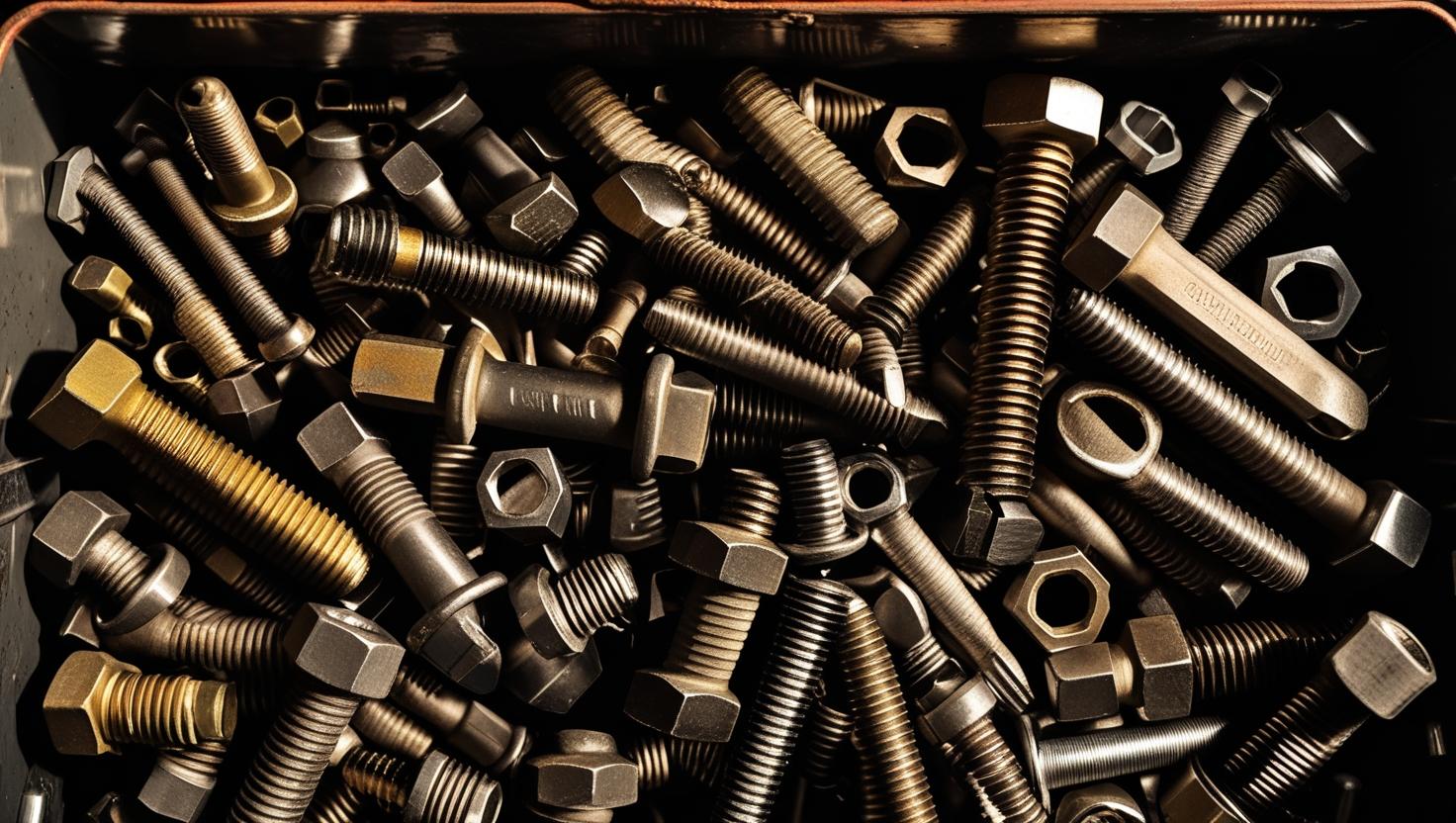
OEM head bolts refer tocustom-designed bolt headsused in branded equipment or machinery kits. These bolts may feature:
-
Proprietary head shapes(T-head, dome, flanged hex)
-
Engraved or cast-in logosfor traceability
-
Special drive systems(Torx, 12-point, socket cap)
-
Colored or anti-theft coatings
They are widely used in:
-
Agricultural and mining equipment
-
Electric vehicle assemblies
-
Prefabricated machinery exports
-
Brand-based bolt kits for aftermarket resale
At Jingle, we supportOEM head bolt production from 3D drawings or samples, including logo engraving, head shaping, and surface finishes like zinc plating, black oxide, and Dacromet.
Anchor Bolts: The Foundation of Structural Integrity
Anchor bolts connect structures to concrete foundations. Whether it’s acast-in-place J-boltor apost-installed sleeve anchor, these bolts are vital for:
-
Wind turbine bases
-
Solar panel ground mounts
-
Warehouse columns
-
Light poles or highway barriers
Common pain points include misaligned bending, corrosion at ground level, and low thread strength. To solve this, Jingle supplies:
-
Hot-dip galvanized or epoxy-coated anchor bolts
-
Grade 5.8–10.9 options with verified tensile properties
-
Bent and straight anchor types with length up to 2m
-
Pre-assembled kits with nuts and washers, packed for immediate site use
Real-World Applications and Solutions
Civil Engineering (Steel Frame Buildings)
Problem: Bolts exposed to wind load and seismic force
Solution: Jingle providedGrade 10.9 high strength boltswith torque-control nuts and washers, paired with coating tested to 720-hour salt spray resistance.
OEM Machinery Exporter (Eastern Europe)
Problem: Brand needed customflange-head bolts with logofor replacement kits
Solution: Jingle reverse-engineered from samples, produced 20,000 bolts with stamped OEM head, and shipped with barcode-labelled retail kits.
Power Plant Infrastructure (Asia)
Problem: Anchor bolts corroded within 9 months due to site humidity
Solution: We switched toepoxy-coated M30 anchor boltswith test certificates, now used in over 3 regional projects with zero failure.
Why Sourcing from Jingle Minimizes Risk
Many buyers turn to middlemen, only to face delays, inconsistent quality, or failed compliance.Jingle is a direct factory supplier, offering:
-
Full traceability: from steel source to surface finish
-
Complete documentation: CO, CI, PL, and 3.1 material certificates
-
Real customization: head shaping, logo stamping, anti-loosening design
-
OEM packaging: from plain export cartons to retail-ready kits
-
Support for bulk orders, LCL/FCL logistics, and export consulting
We don’t just sell bolts—we engineer your fastening solution.
"Reliable bolt sourcing reduces failure costs by over 40% in infrastructure projects." —Global Construction Review, 2024
Make Every Bolt Count
If you're building a brand, a structure, or a supply chain, your fasteners are part of your reputation. Partner with abolt supplierthat understands real-world usage—not just technical specs.
Explore our bolt range via ourhomepage, or request a quote and documentation at ourcontact page.
Let Jingle support your success—bolt by bolt.