From Standard Bolts to OEM Solutions: What a Fasteners Manufacturer Can Deliver
The Limits of Standard Fasteners
Standard fasteners—bolts, nuts, screws, and rivets—form the backbone of everyday construction and machinery. They are cost-effective, widely available, and meet the needs of countless small to medium projects. However, when it comes to large-scale infrastructure and high-performance systems, their limitations quickly surface.
For example, a highway bridge may require anchor bolts of non-standard length and diameter to withstand seismic loads. Offshore platforms exposed to saltwater demand corrosion-resistant fasteners beyond the capabilities of standard steel. In transportation systems, vibration and fatigue stress can push catalog fasteners beyond their designed limits. These scenarios reveal a clear reality: standardized parts often cannot meet the precision, durability, and compliance requirements of critical projects.
Why OEM Fasteners Are Becoming Essential
OEM solutions fill the gap between convenience and critical reliability. By working with a professional manufacturer, industries gain access to fasteners engineered for unique project conditions. Key reasons include:
-
Non-Standard Dimensions: Projects often require fasteners that don’t exist in catalogs, from oversized bolts to specialty threads.
-
Material Adaptability: High-performance alloys, stainless steels, and titanium are essential in extreme environments like aerospace or offshore energy.
-
Surface Engineering: Anti-corrosion coatings, fatigue-resistant treatments, and eco-friendly alternatives extend product life and meet sustainability goals.
-
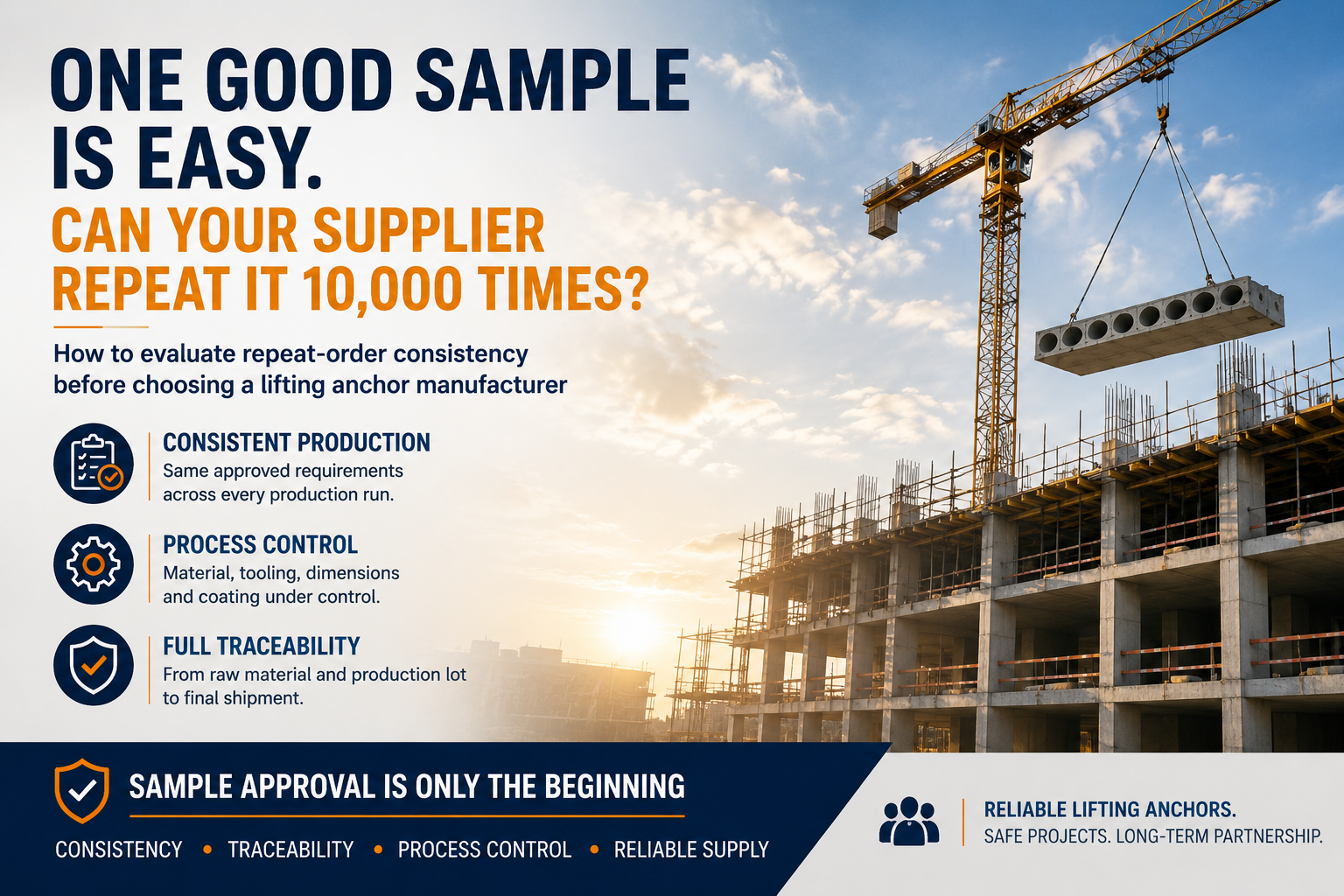
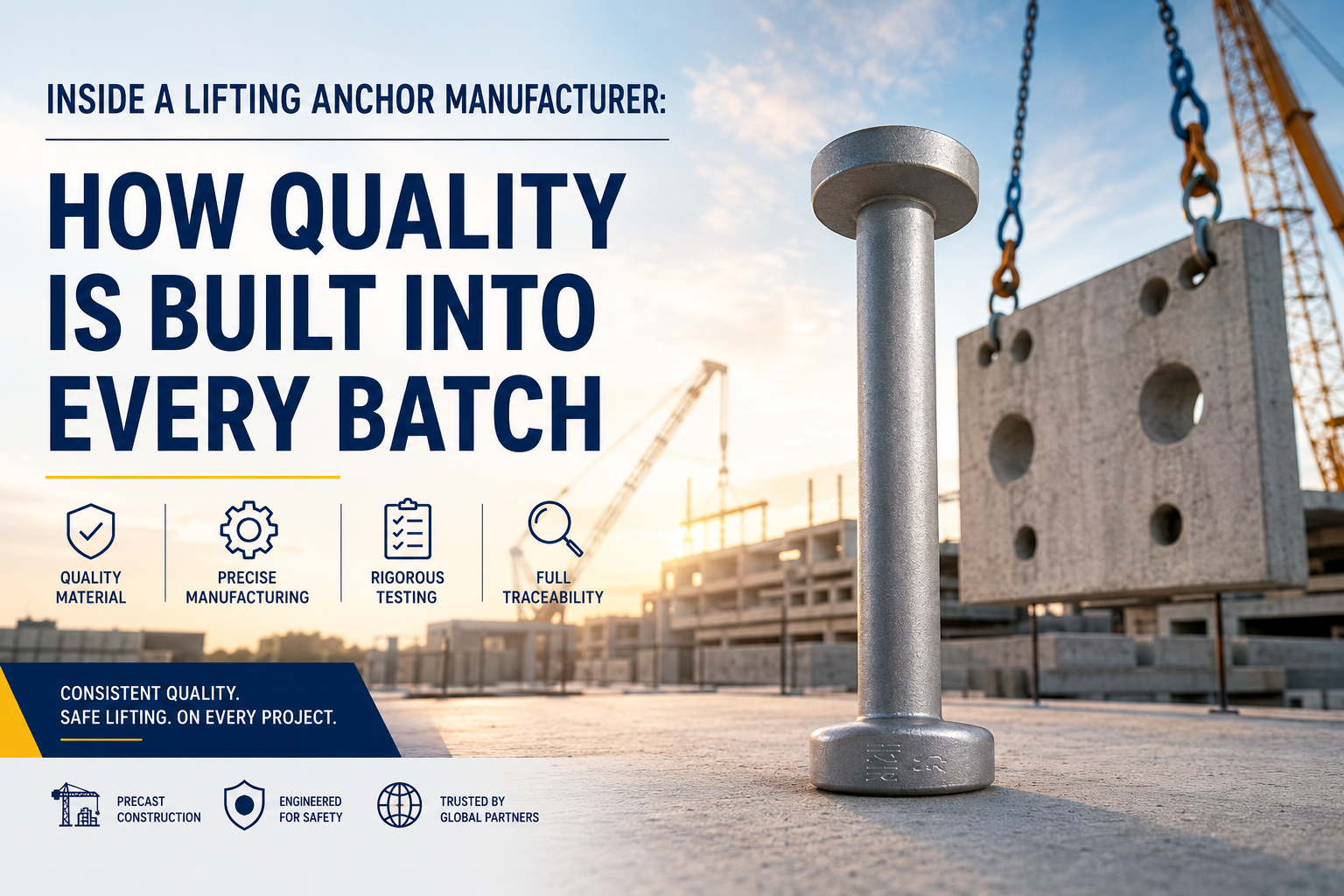
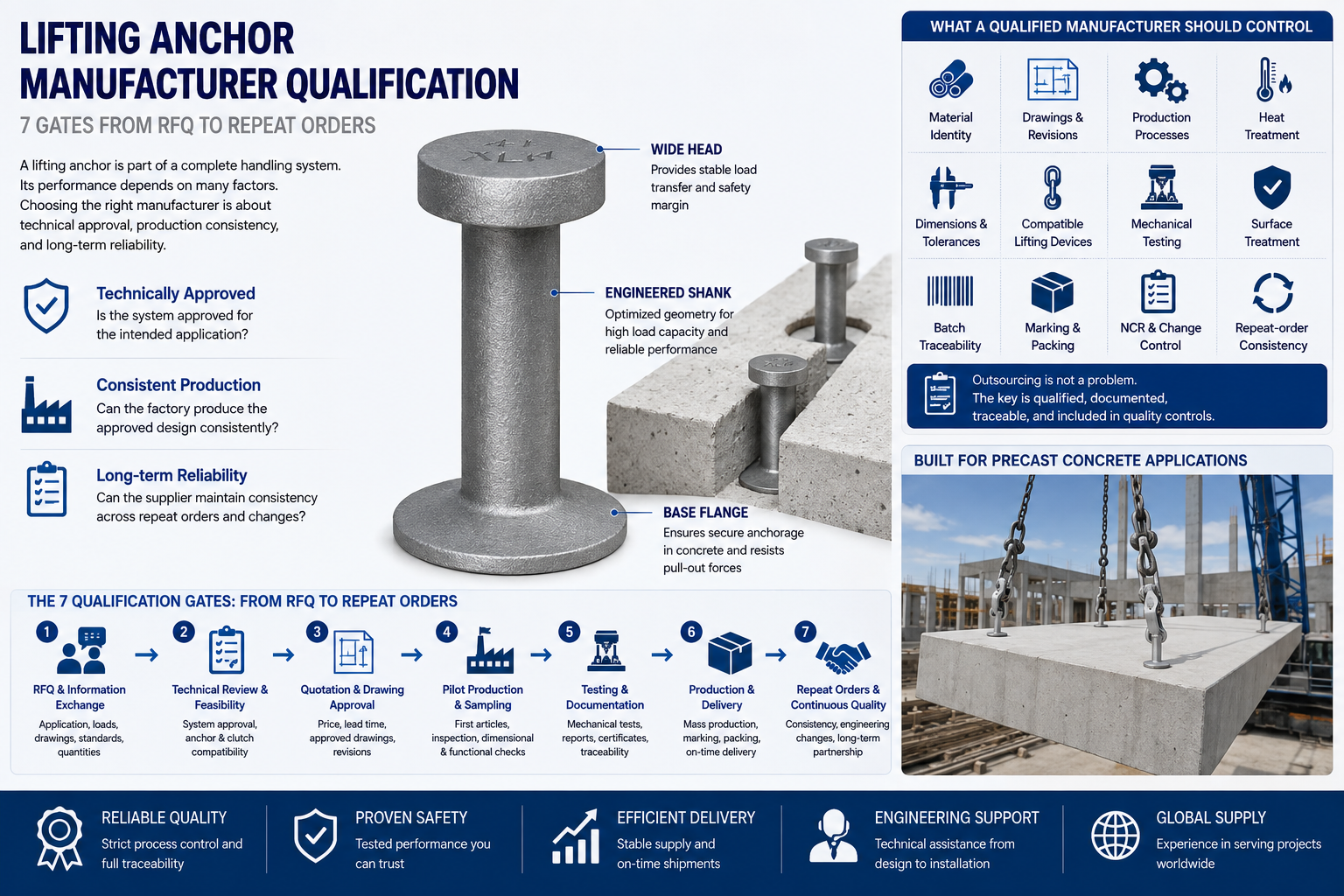
Consistency at Scale: Thousands of identical components must perform with the same tolerance, reducing the risk of failure and costly downtime.
-
Traceable Compliance: Certification to ISO and ASTM standards ensures that every bolt, nut, or rivet can be tracked and trusted in regulated industries.
For modern construction and manufacturing, OEM fasteners are no longer optional—they are the only way to guarantee reliability, safety, and compliance across diverse applications.
JINGLE’s Capabilities as a Fasteners Manufacturer
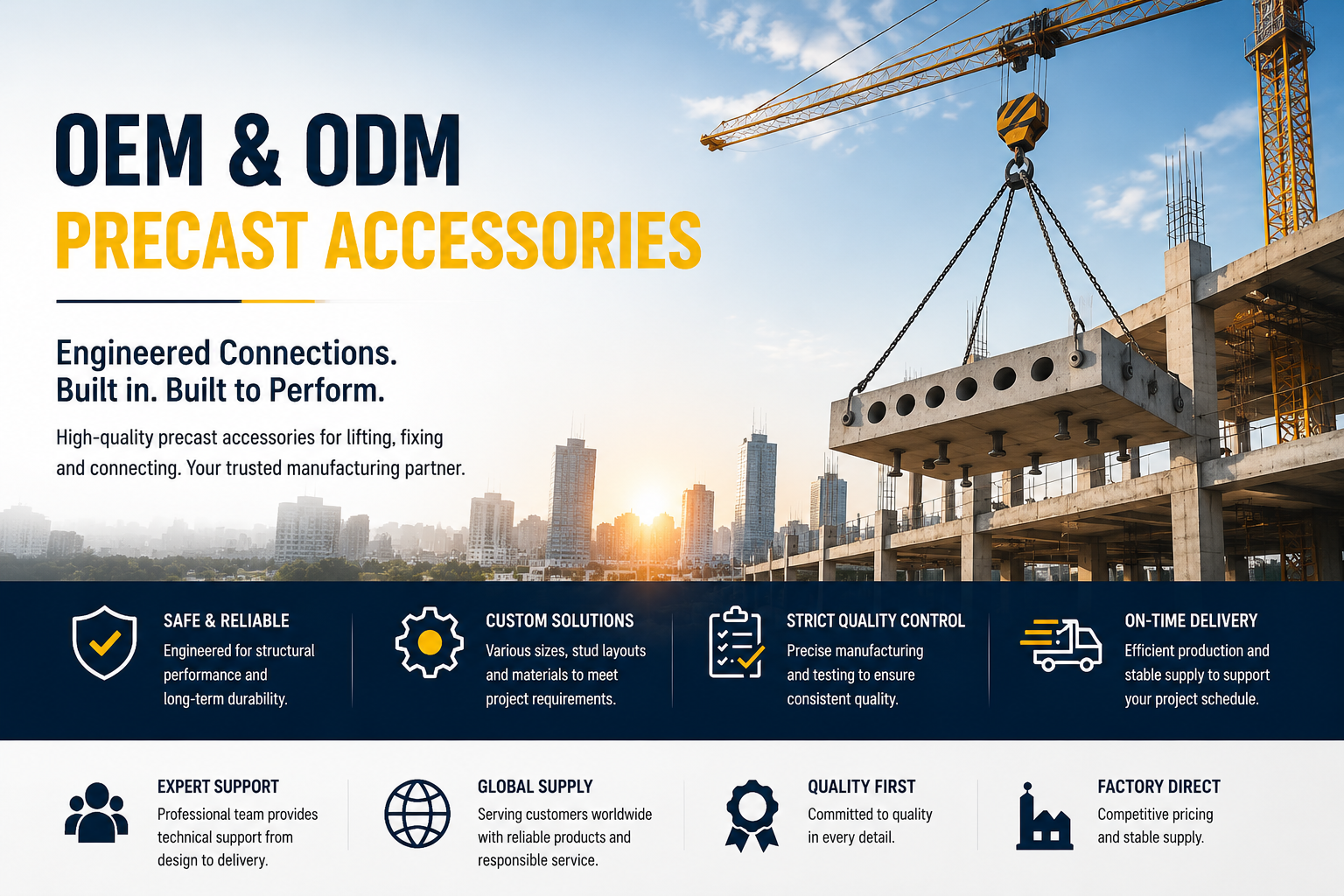
As a dedicated fasteners manufacturer, JINGLE offers factory-level strength and OEM expertise to global industries:
-
OEM Customization: Tailored bolts, nuts, screws, and rivets built for unique project requirements.
-
High-Volume Production: Annual capacity exceeding 10,000 tons, enabling reliable supply for distributors and contractors.
-
Certified Quality: Compliance with ISO and CE standards, supported by in-house testing for tensile strength, fatigue, hardness, and corrosion resistance.
-
Material Expertise: From alloy steels to stainless steel and titanium, components are engineered to meet extreme conditions.
-
Global Logistics: ERP-driven systems ensure traceability and on-time delivery, even for large-scale infrastructure projects.
With these combined strengths, JINGLE delivers not only hardware but also confidence and reliability that projects can depend on for decades.
Industry Applications of OEM Fasteners
OEM fasteners play a critical role across industries where performance and safety cannot be compromised:
-
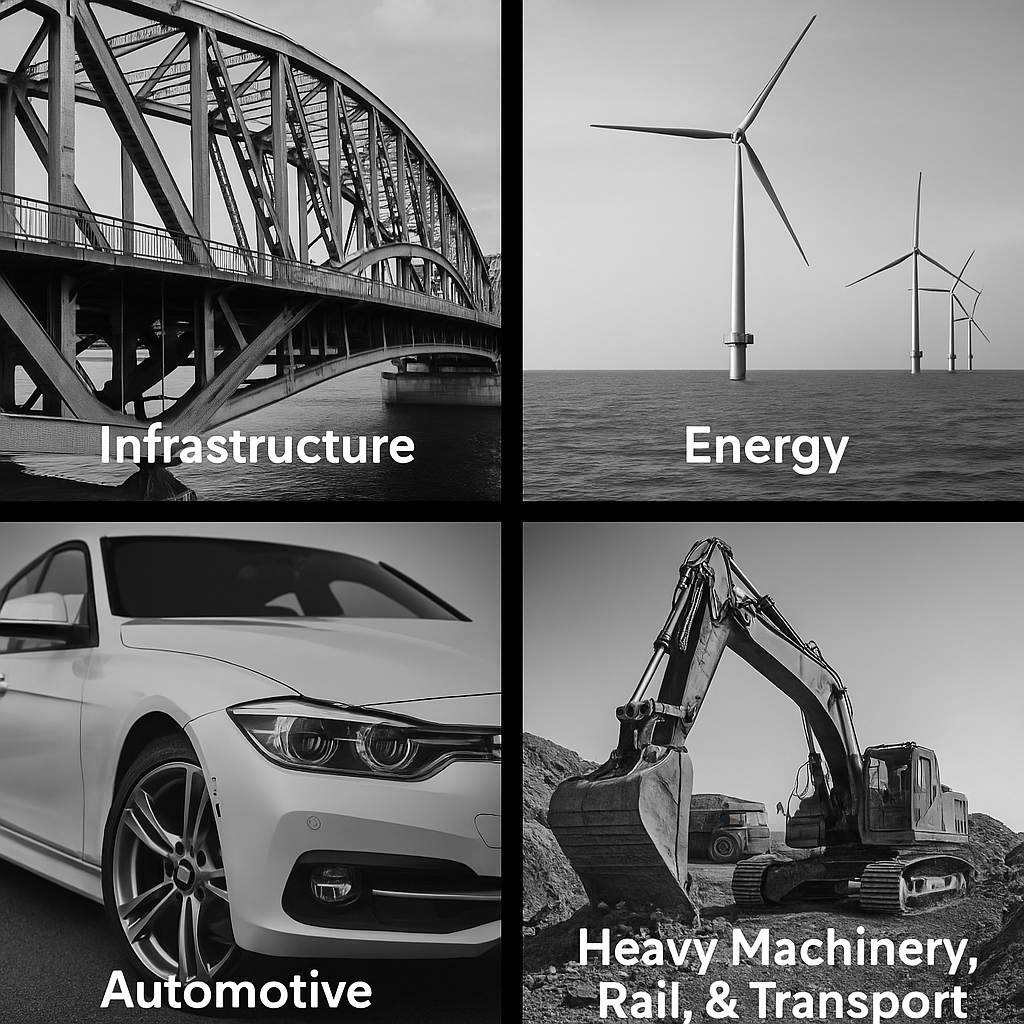
Infrastructure and Construction
Bridges, tunnels, and skyscrapers require high-strength anchors and couplers that support immense loads while resisting fatigue over decades of use. OEM fasteners are engineered to match design blueprints, preventing structural failures. -
Energy and Offshore Projects
Wind turbines rely on corrosion-resistant bolts in gearboxes and towers, while offshore oil platforms need fasteners that withstand both saltwater and constant vibration. OEM customization ensures longevity in these extreme conditions. -
Automotive and Transportation
Suspension bolts, engine fasteners, and connectors in rail systems must deliver absolute consistency. A single defective part can lead to system-wide risks. OEM suppliers guarantee micro-tolerance accuracy across mass production. -
Heavy Machinery and Mining
Earthmovers, cranes, and drilling rigs operate under shock and heavy loads. OEM fasteners designed with specialized alloys and heat treatments extend equipment life and reduce downtime. -
Aerospace and Defense
Aircraft and defense systems push fasteners to the limit. Lightweight titanium fasteners provide strength without sacrificing efficiency, while compliance ensures alignment with strict safety standards.
Each of these sectors highlights why a fasteners manufacturer with OEM capabilities is indispensable to global industries.
Building Reliability Through Customization
The journey from standard bolts to OEM solutions reflects the evolving needs of modern engineering. Catalog items can handle the basics, but when safety, compliance, and long-term reliability are at stake, customized fasteners from a trusted manufacturer are the only viable choice.
Future trends also point toward greater reliance on OEM solutions:
-
Sustainable Coatings: Eco-friendly surface treatments will replace hazardous finishes.
-
Lightweight Materials: Advanced alloys and composites will reduce weight without compromising strength.
-
Digital Traceability: Smart tracking systems will make every fastener traceable throughout its lifecycle.
With its OEM customization, certified quality systems, and global delivery, JINGLE is more than a fasteners manufacturer—it is a partner helping industries build safer, stronger, and more sustainable infrastructure.
Learn how JINGLE supports critical projects worldwide with OEM fasteners: Contact JINGLE.