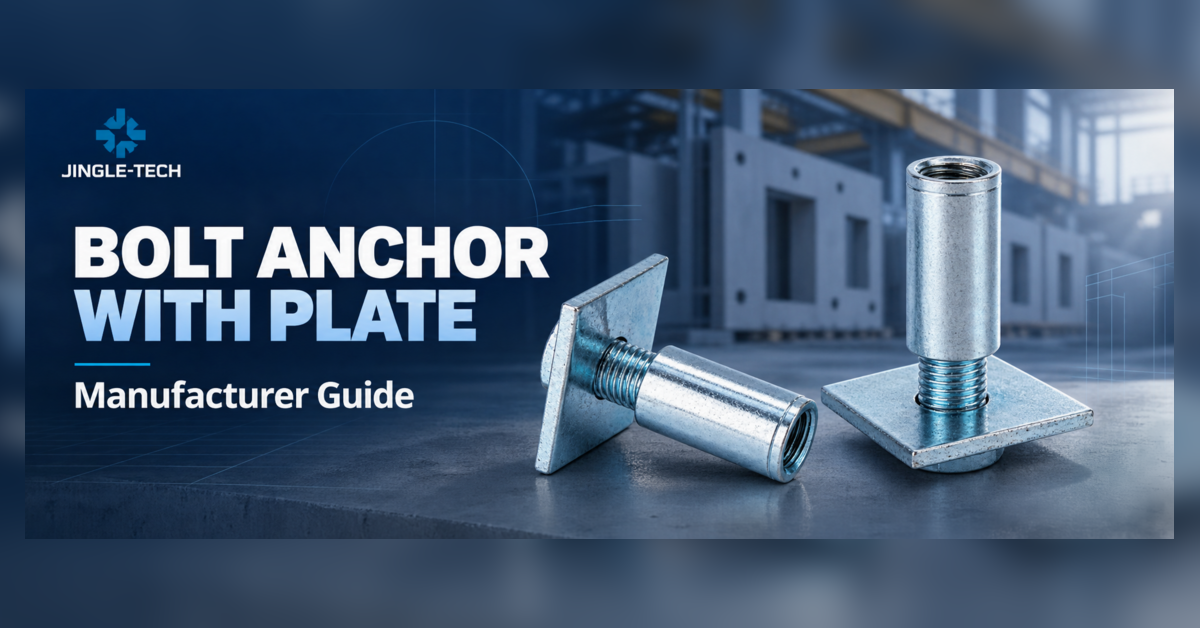
What Buyers Actually Need from an Erection Anchor Supplier
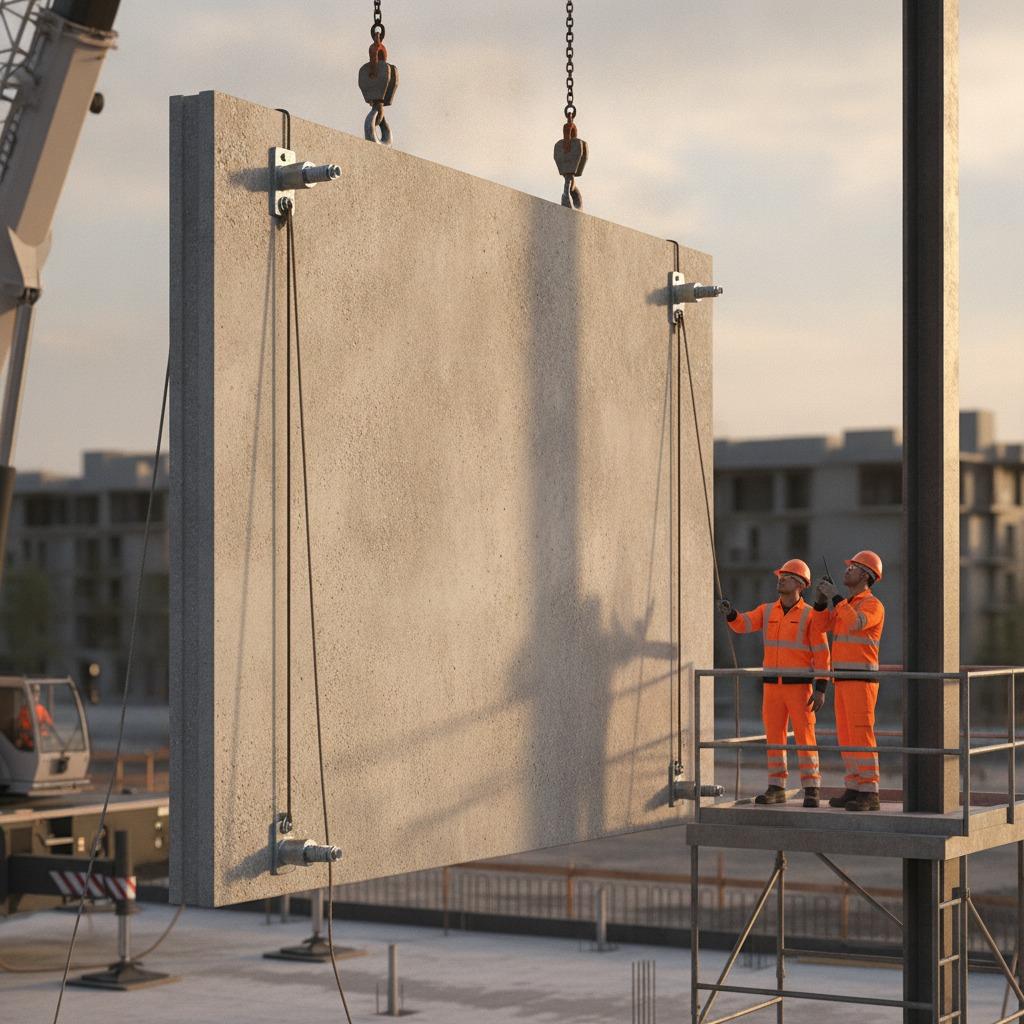
When engineers and procurement teams search for an Erection Anchor Supplier, they are usually not looking for a catalog page. They are trying to reduce risk on site. Erection anchors sit at the uncomfortable intersection of lifting, temporary stability, alignment, and schedule pressure. If the anchor is poorly matched to the structure or the lifting method, the result is not just inconvenience; it can mean rework, delays, and a very tense conversation with the site team.
That is why the right supplier matters. A competent supplier should not only provide the hardware, but also understand how the anchor will behave during transport, hoisting, erection, and final integration into the structure. In practice, that means knowing the difference between a simple embedded component and a Structural Erection Anchor intended to support controlled lifting or positioning of precast or structural elements.
Why erection anchors deserve more attention than they get
On paper, an erection anchor may look like a small component compared with the rest of the project. On site, it can be one of the most critical. The anchor has to perform under dynamic handling conditions, often before the surrounding concrete or assembly is fully in its final service state. The margin for error is not generous.
This is where buyer decisions often go wrong. Teams focus on nominal load capacity and overlook the full context: how the anchor is installed, what lifting insert or rigging interface it uses, whether the concrete geometry allows proper embedment, and whether the supplier can support the application with clear technical documentation. A good anchor in the wrong configuration is still the wrong part.
Quick checks before you shortlist suppliers
If you are comparing an Erection Anchor Supplier options, start with the basics that directly affect site performance:
- Does the supplier understand the intended use case: erection, temporary lifting, alignment, or a combination of these?
- Can they distinguish standard hardware from a Structural Erection Anchor designed for structural handling?
- Do they supply enough product detail for engineering review, not just a part number?
- Are the anchors compatible with the project’s concrete element geometry and lifting sequence?
- Can they communicate installation constraints clearly, especially where access is tight or edge distances are limited?
These are simple questions, but they filter out a lot of weak suppliers quickly.
Common product considerations engineers should not skip
Erection anchors are not one-size-fits-all. Selection usually depends on the structure type, the load path during erection, and the method used to lift or stabilize the component. The embedment depth, orientation, and interaction with reinforcement all matter. So does the local environment on site: production yard handling is not the same as field assembly with wind, uneven ground, and limited crane access.
A practical caution: do not treat the anchor as a standalone item. It is part of a system that includes the concrete element, the rigging interface, and the erection sequence. Even a well-made anchor can be misapplied if the project team assumes it will “just work” across different geometries or load directions.
For buyers, the best supplier is often the one that asks uncomfortable questions early. That may slow the order a little, but it tends to prevent expensive mistakes later.
What a useful supplier relationship looks like
A strong supplier relationship is built on technical clarity. The supplier should help the buyer compare options, explain where a Structural Erection Anchor is appropriate, and flag any installation limitations before production starts. In many cases, they should also be able to support documentation for internal review, especially when engineering sign-off is required.
Good suppliers are usually practical rather than theatrical. They know that project teams care about fit, reliability, and communication more than marketing language. They can explain why one anchor geometry may be better for a given lifting condition, or why a certain installation step should not be rushed on a busy line.
Buyer mistakes that cause avoidable trouble
The most common mistake is buying on appearance or price alone. Another is assuming all erection anchors are interchangeable because they belong to the same broad category. They are not. Changes in load direction, embedment, or reinforcement layout can alter performance in ways that are not obvious at first glance.
A second mistake is leaving the supplier out of the engineering discussion until the order is nearly ready. By then, the design may already be fixed, and any mismatch becomes everyone’s problem. It is better to involve the supplier early, while there is still room to adjust the anchor type or erection sequence.
FAQ: what buyers usually ask
Is an erection anchor the same as any other lifting insert?
Not always. Some anchors are designed specifically for structural erection or temporary handling conditions, which makes the design context important.
Should procurement or engineering lead the selection?
Ideally both. Procurement can compare supplier capability, while engineering should confirm the fit for the structure and erection method.
When should I request technical support from the supplier?
Early. Before purchase order release is the safest time, especially if the project involves unusual geometry or a tight erection sequence.
What to do next
If you are evaluating an Erection Anchor Supplier, treat the purchase as an engineering decision first and a sourcing decision second. Ask for enough detail to verify fit, review how the anchor will be used in the erection sequence, and confirm whether a Structural Erection Anchor is actually the right category for the job. The cheapest option is rarely the least expensive once field corrections enter the picture.
The right supplier should reduce uncertainty, not add to it. That is the real measure worth checking before release.