Understanding the Crane Rail Fastening System
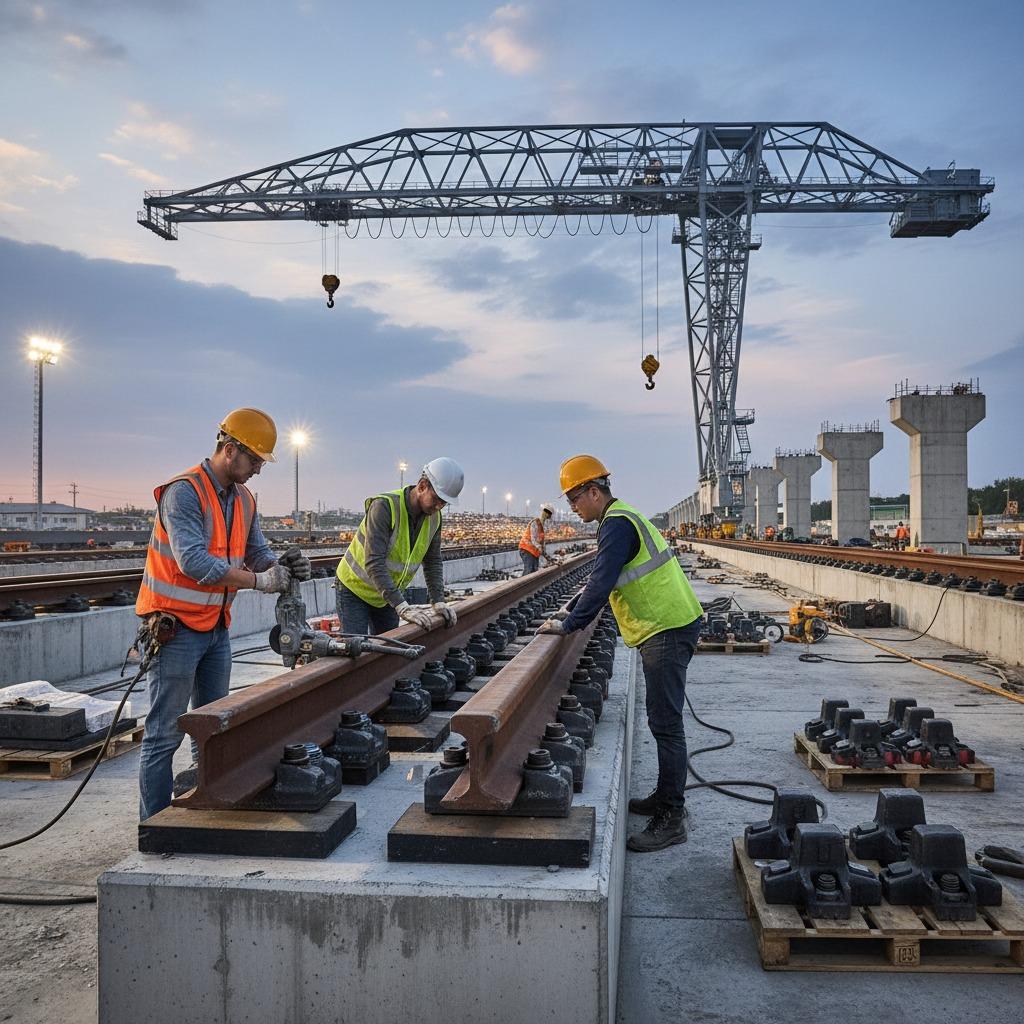
In the world of industrial machinery and heavy lifting, the crane rail fastening system plays a pivotal role in ensuring operational safety and efficiency. This essential component secures the rails on which cranes travel, preventing derailments and maintaining structural integrity under heavy loads. Whether in construction sites, manufacturing plants, or port facilities, a reliable crane rail fastening system is crucial for smooth crane movement and longevity of the equipment. By firmly attaching the rails to the supporting structure, it absorbs vibrations, distributes weight evenly, and withstands the dynamic forces generated during crane operations.
Key Components of a Crane Rail Fastening System
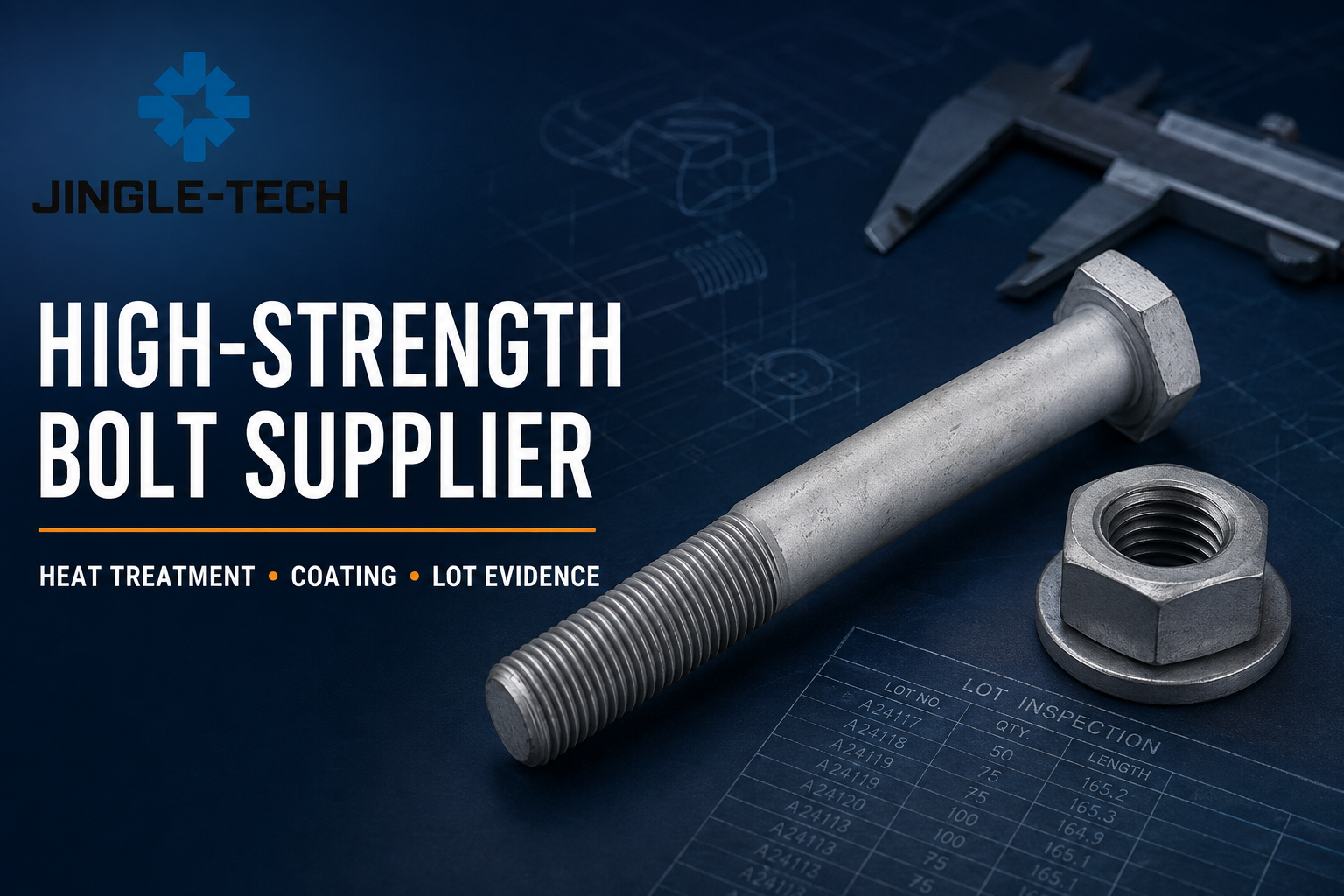
A typical crane rail fastening system consists of several interconnected parts designed for durability and precision. At its core are the rail clips or clamps, which grip the rail flange securely without causing damage. These are often made from high-strength steel or resilient polymers to resist corrosion and fatigue. Bolts and nuts provide the fastening mechanism, ensuring a tight fit that can be adjusted for alignment. Base plates or sole plates act as intermediaries between the rail and the beam, distributing loads and allowing for minor expansions due to temperature changes. Additionally, some advanced systems incorporate elastomeric pads to dampen noise and vibrations, enhancing the overall performance. Selecting the right combination of these elements is vital, as it directly impacts the crane's stability and the safety of personnel working nearby.
Benefits and Installation Considerations
Implementing a high-quality crane rail fastening system offers numerous advantages, including reduced maintenance costs and extended service life for both rails and cranes. It minimizes the risk of rail shifts, which could lead to costly downtime or accidents. For instance, in high-traffic environments like steel mills, a robust fastening system ensures continuous operation without frequent inspections or replacements. When installing, it's important to follow manufacturer guidelines, considering factors such as load capacity, rail type, and environmental conditions. Professional engineers should assess the site's specific needs, ensuring compatibility with existing infrastructure. Regular inspections for wear and tear are recommended to maintain optimal function, often involving torque checks on bolts and visual assessments of clips.
Choosing the Right Crane Rail Fastening System for Your Needs
With various options available in the market, selecting an appropriate crane rail fastening system requires careful evaluation. Factors like the crane's weight, speed, and frequency of use should guide the choice. Modular systems offer flexibility for retrofitting older setups, while custom designs cater to unique applications such as overhead or gantry cranes. Innovations in materials, such as stainless steel for corrosive environments or eco-friendly composites, are increasingly popular. Consulting with experts can help tailor a solution that not only meets safety standards but also complies with industry regulations like those from OSHA or ISO. Ultimately, investing in a superior crane rail fastening system safeguards operations and boosts productivity, making it an indispensable choice for any heavy-duty setup.