Why OEMs Need a CNC Machining Parts Supplier That Supports Prototyping and Mass Production
Meeting OEM Needs: From Trial Parts to Global Supply
OEMs in automotive, machinery, and electronics industries face a common challenge: they need suppliers who can deliver both small-batch prototypes for testing and large-scale production for market rollout. Many suppliers are good at one stage but fail at the other. This gap often leads to delays, higher costs, or inconsistent quality. A reliable CNC machining parts supplier bridges this gap—helping OEMs move smoothly from concept validation to mass production.
Why Prototyping Capabilities Matter
Prototyping is the foundation of product development. OEMs need a CNC machining parts supplier who can provide quick turnaround, tight tolerances, and engineering feedback. JINGLE’s in-house engineering team supports design-for-manufacturing (DFM), ensuring early prototypes are optimized before scaling. Backed by SME best practices in prototyping, JINGLE helps OEMs shorten innovation cycles and avoid costly rework.
Scaling to Mass Production Without Compromising Quality
Once prototypes are approved, the priority shifts to consistent, high-volume production. JINGLE operates over 100 CNC machines and automated inspection systems, giving OEMs the confidence to scale up without losing precision. With ISO certified processes and ASME tolerance standards, every production run meets international benchmarks. This capability allows JINGLE to support OEMs in projects ranging from automotive components to renewable energy parts.
What Sets JINGLE Apart from Other Suppliers
-
Dual Capability: Expertise in both prototypes and bulk production.
-
Advanced Facilities: ERP-managed production lines, CNC multi-axis machines, and automated testing.
-
Strict Quality Control: Full traceability and in-house lab testing (tensile, hardness, and corrosion resistance).
-
OEM/ODM Flexibility: Customized solutions, packaging, and logistics for global buyers.
-
Proven Export Record: Supplying to 30+ countries with stable long-term partnerships.
These strengths make JINGLE not just a supplier, but a long-term manufacturing partner for OEMs worldwide.
Industry Applications That Demand Dual Capability
-
Automotive: From engine prototypes to mass-produced transmission parts.
-
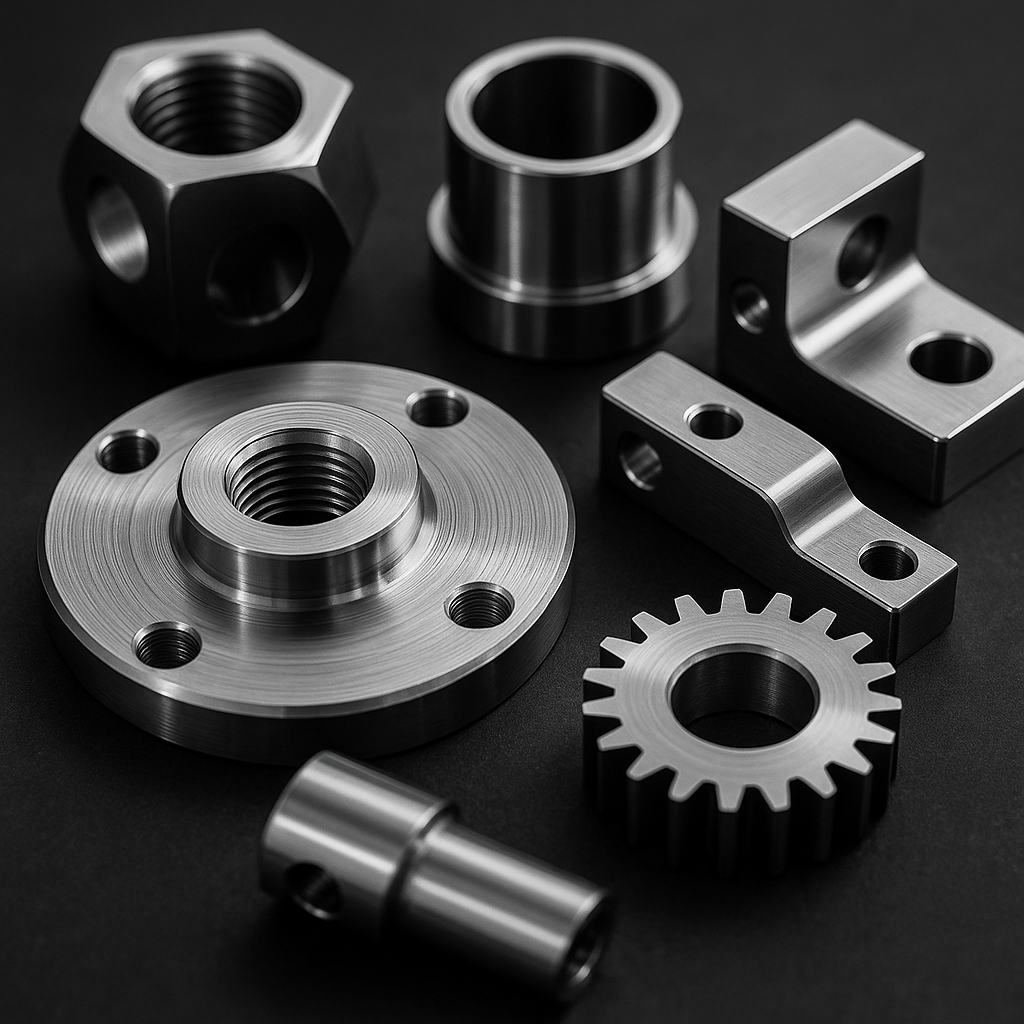
Machinery: Small-batch custom gears scaled into full production.
-
Electronics: Prototype housings validated before large-scale delivery.
-
Renewable Energy: CNC-machined connectors supporting both pilot runs and mass installations.
Future-Proofing OEM Supply Chains
OEMs face increasing pressure to innovate faster while maintaining compliance and sustainability. JINGLE invests in smart manufacturing, IoT-enabled monitoring, and eco-friendly production methods to align with future demands in EV, aerospace, and energy sectors.
Partner with JINGLE for OEM Success
Prototyping and mass production are two sides of the same coin for OEM buyers. JINGLE delivers both with precision, scale, and reliability—helping OEMs reduce risks, save costs, and grow globally.
Looking for a CNC machining parts supplier that supports both prototypes and mass production? Contact JINGLE today to explore OEM/ODM solutions tailored to your industry.