Bulk Custom Fasteners: Solving Manufacturing's Challenges
Why Fasteners Matter More Than They Seem
In every assembly line, from automotive production to industrial equipment, fasteners are among the smallest yet most critical components. They determine not only how structures hold together but how efficiently entire manufacturing systems operate.
When standard catalog parts fail to align with design tolerances or material needs, issues such as vibration loosening, misalignment, or premature fatigue can appear—causing costly downtime. The rise of bulk custom fasteners provides a scalable solution to these persistent challenges by combining design accuracy, batch consistency, and material optimization.
The Principle Behind Bulk Customization
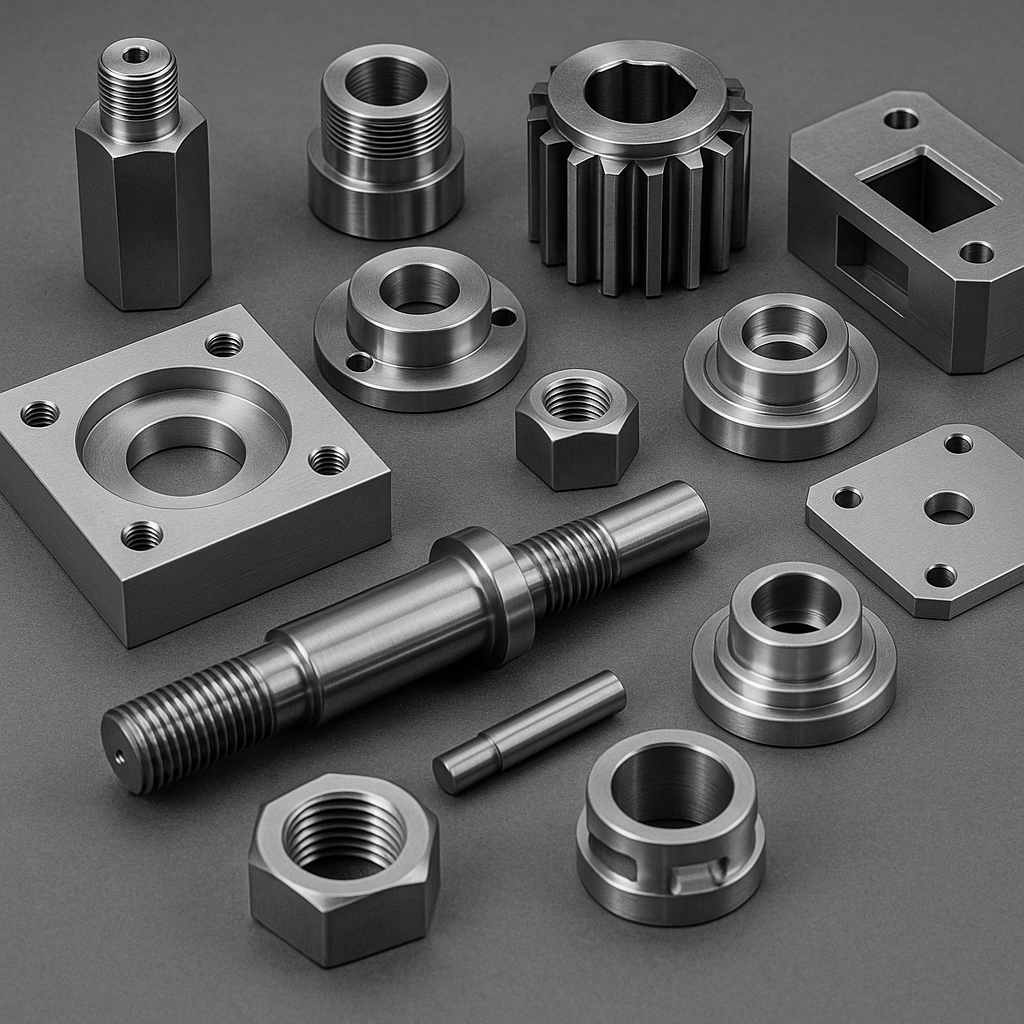
Bulk customization is more than just producing large quantities—it’s about producing at scale with precision. OEM fastener suppliers integrate design, material selection, and surface treatment into a controlled workflow that ensures every piece meets identical standards.
Core principles include:
-
Dimensional uniformity across thousands of units through CNC and cold heading automation.
-
Material alignment with specific tensile and shear requirements.
-
Surface finishing (galvanization, Dacromet, or zinc-nickel plating) to meet corrosion performance targets.
-
Batch traceability for quality assurance and certification compliance.
This approach ensures that fasteners perform consistently across production lines—whether in high-torque automotive assemblies or long-span construction frameworks.
Comparing Standard vs. Bulk Custom Fasteners
| Criteria | Standard Fasteners | Bulk Custom Fasteners |
|---|---|---|
| Design Compatibility | Limited by catalog dimensions | Tailored to OEM blueprints |
| Tolerance Precision | Varies between suppliers | CNC-machined for consistency |
| Corrosion Resistance | Basic coatings only | Optimized coatings per environment |
| Batch Consistency | May vary across lots | 100% controlled through automation |
| Cost Efficiency | Low initial price | Reduced total cost via durability and lower rejection rates |
By eliminating variation and rework, bulk custom production reduces waste and improves efficiency—especially critical in automated or high-volume manufacturing environments.
Real-World Applications Across Industries
-
Automotive & EV Manufacturing – precision bolts and nuts designed for vibration resistance and lightweight aluminum assembly.
-
Heavy Machinery – high-tensile studs and locking systems capable of withstanding dynamic loads and continuous operation.
-
Renewable Energy Projects – corrosion-proof fasteners that maintain torque in offshore or desert installations.
-
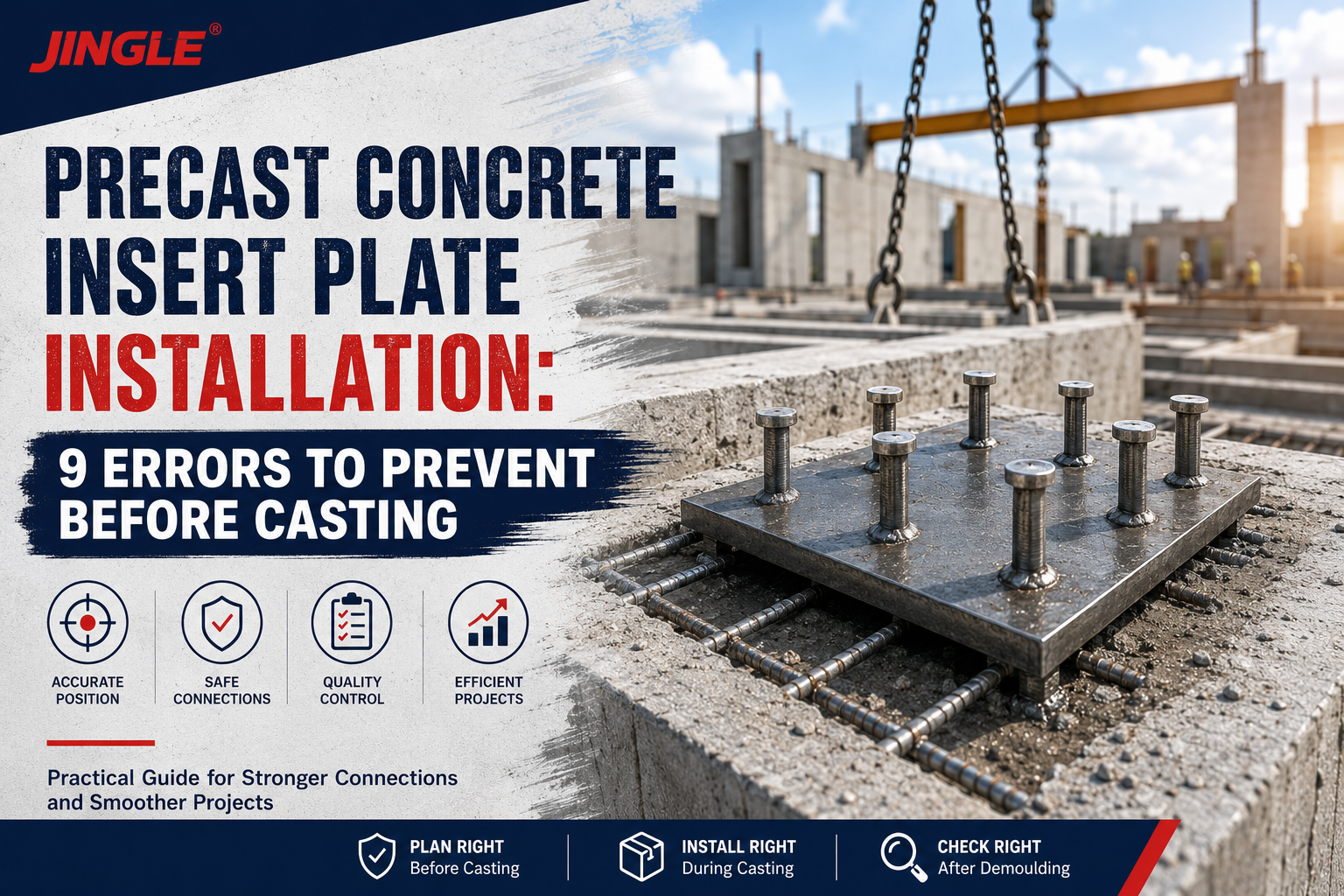
Precast Construction – large batches of threaded inserts and anchors engineered for perfect concrete embedding.
-
Railway & Infrastructure – fatigue-tested components ensuring safety and long-term stability under constant vibration.
These applications show that customization in bulk doesn’t just simplify procurement—it directly enhances safety, durability, and production speed.
Practical Recommendations for Procurement Teams
Manufacturers aiming to optimize cost and reliability through bulk fastener sourcing should consider:
-
Early supplier involvement during product design to ensure proper dimensional and material matching.
-
Lifecycle cost evaluation, prioritizing quality over lowest unit price.
-
Batch certification requirements, including tensile, torque, and salt-spray tests for each shipment.
-
Logistics planning with just-in-time (JIT) delivery schedules to avoid overstock or shortage.
-
Sustainability factors, favoring recyclable materials and environmentally safe coatings.
When executed strategically, bulk OEM partnerships streamline entire supply chains and enhance long-term profitability.
How Bulk Custom Fasteners Drive Real Industrial Efficiency
-
Reduced Production Downtime: Fewer component failures or replacements.
-
Improved Equipment Uptime: Consistent fit and torque performance.
-
Streamlined Inventory: Consolidated SKUs reduce warehouse complexity.
-
Predictable Quality: Automated inspection ensures every lot meets identical specs.
According to Grand View Research (2024), the global industrial fastener market is projected to exceed USD 125 billion by 2030, with OEM and custom bulk supply leading growth in automotive, construction, and renewable energy sectors.
Jingle’s Advantage in Bulk OEM Fastener Manufacturing
Jingle integrates OEM design capability, ISO-certified production, and global supply logistics to deliver bulk fasteners that exceed industrial standards.
-
Automated cold forging and CNC machining for precise dimensions.
-
Advanced surface treatment options for corrosion resistance and aesthetic requirements.
-
Full material traceability and mechanical testing for every batch.
-
Proven export experience across Europe, the Middle East, and Asia.
From precision bolts to structural anchors, Jingle’s bulk custom fasteners are built for long-term reliability, consistent performance, and scalable delivery—ensuring manufacturers worldwide stay efficient and competitive.
Explore our full fastener solutions on the homepage or contact our technical team directly via the contact page