What a rubber recess former does in precast concrete work
A rubber recess former is a small part in the moulding chain, but it solves a very practical problem in precast construction: how to create a clean, repeatable recess for lifting anchors, connection points, or embedded hardware without damaging the surrounding concrete. In a plant where consistency matters, that detail can save time at demoulding, reduce edge breakage, and make downstream installation less awkward than it would otherwise be.
For engineers and sourcing teams, the real question is usually not whether a recess former is useful. It is which type fits the casting method, how often it will be reused, and whether the material can survive repeated production cycles without losing shape. That is where the choice becomes more than a simple consumable purchase.
Why this small component matters to the buyer
In construction supply chains, minor accessories often get treated as generic. That can be a mistake. If the recess former does not release cleanly, the crew spends more time stripping the mould. If it deforms, the recess geometry becomes inconsistent. If the profile is wrong, the anchor hardware may sit poorly or the finished component may need rework. None of those issues are dramatic on their own, but they add up across a production run.
In precast operations, repeatability is the main value. The recess former supports that by giving the mould team a predictable cavity shape. For product teams, that means fewer surprises when the part moves from design to production. For sourcing managers, it means less appetite for low-cost substitutes that look similar in a catalog but behave differently on the shop floor.
How a rubber recess former is typically used
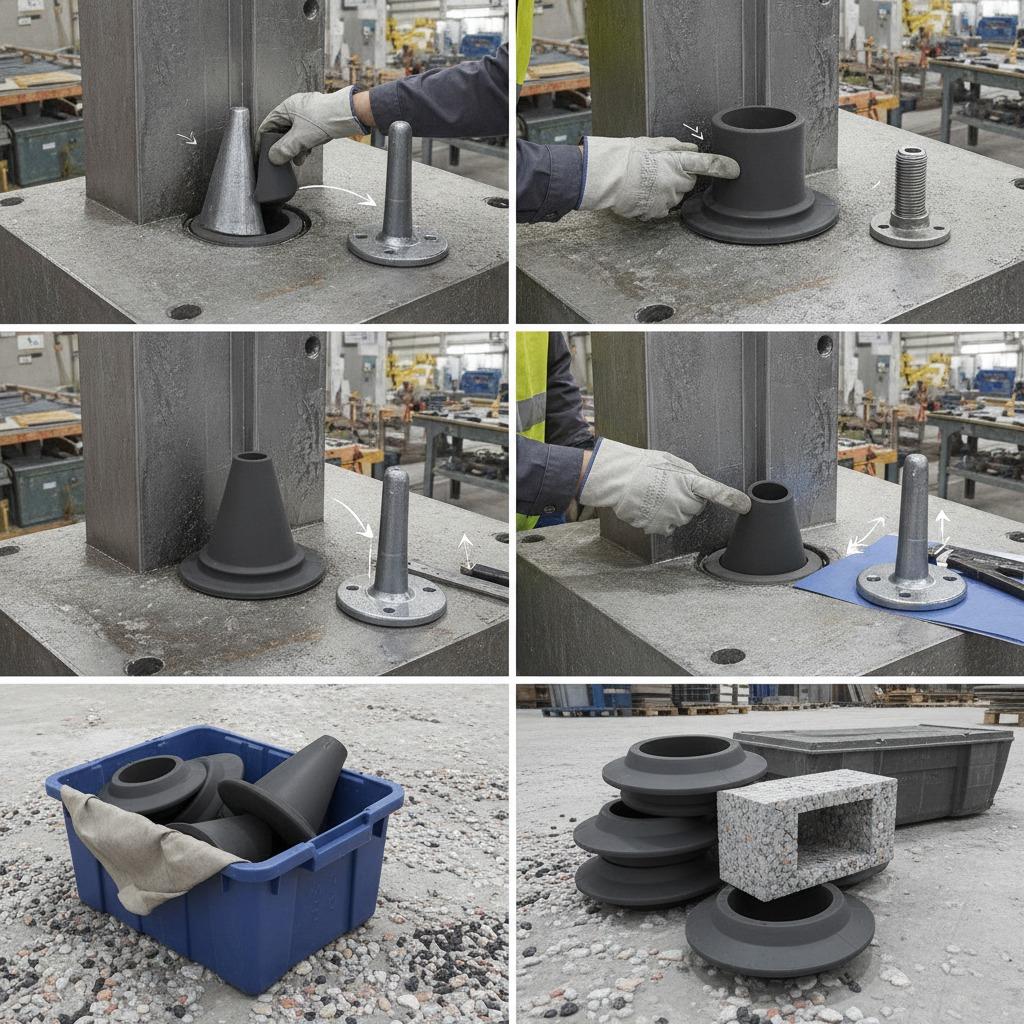
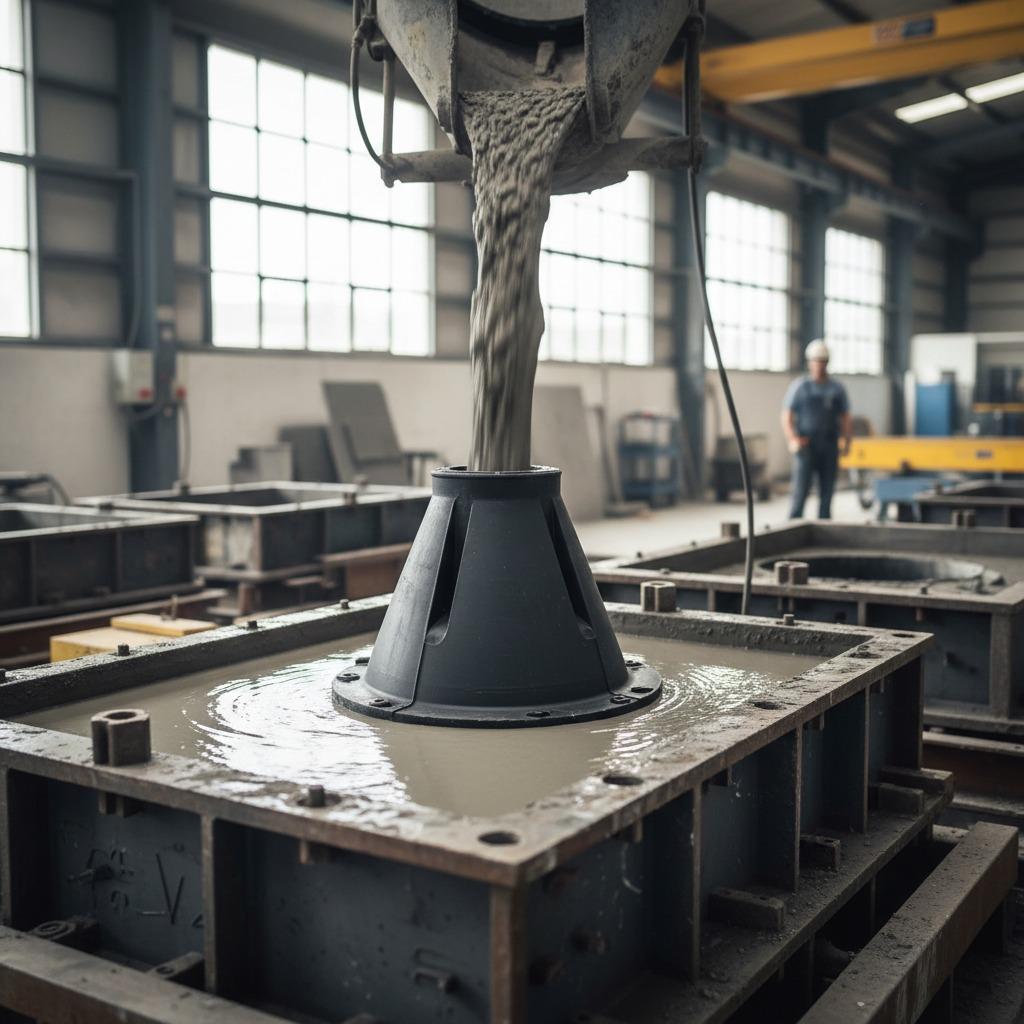
The former is placed in the mould before casting so that concrete sets around it and forms the recess. After curing, the rubber part is removed, leaving a shaped cavity. That cavity can then receive lifting gear, connectors, or other embedded elements depending on the application.
Rubber is often chosen because it offers enough flexibility for removal while still holding a defined shape during casting. That balance matters. Too soft, and the recess can distort. Too rigid, and demoulding becomes harder than it should be. In practice, the best choice depends on the mould design, the handling method, and how aggressively the plant runs its cycle times.
Selection points that are worth checking early
Geometry and fit
The first check is whether the recess former matches the anchor or insert it is meant to accommodate. Even a good material will not compensate for a poor fit. Buyers should confirm dimensions, profile depth, and whether the part is intended for a specific embedded component or a more general recess shape.
Release behavior
A practical concern is how easily the former releases after casting. Crews tend to remember the parts that stick. If removal requires too much force, there is a risk of edge damage or surface marking. This is especially relevant in high-volume construction work where speed is part of the economics.
Durability under production conditions
Rubber parts wear differently depending on mix design, temperature, handling, and cleaning methods. A plant that casts the same component every day needs better retention of shape than a job-shop operation with lower volume. Buyers should ask how the part is intended to be used rather than assuming all recess formers behave alike.
Common mistakes in procurement
One common mistake is buying on appearance alone. Another is assuming that any flexible part will perform the same way in a precast environment. The third is ignoring how the part will be stored and handled between uses. Small elastomeric components can be damaged by rough treatment or poor housekeeping long before they reach their expected service life.
It is also worth watching the temptation to over-specify. Not every application needs an elaborate custom solution. Sometimes a standard recess former is enough, provided the design and material suit the job. Other times, especially in specialised construction components, the custom route is the safer one.
Practical advice for engineers and sourcing teams
If you are comparing options, start with the casting requirement, not the catalog picture. Match the recess former to the embedded component, the mould system, and the release process. Ask how many cycles the plant expects from the part, but treat any lifecycle estimate cautiously unless it is supported by actual production experience. That number can vary more than buyers expect.
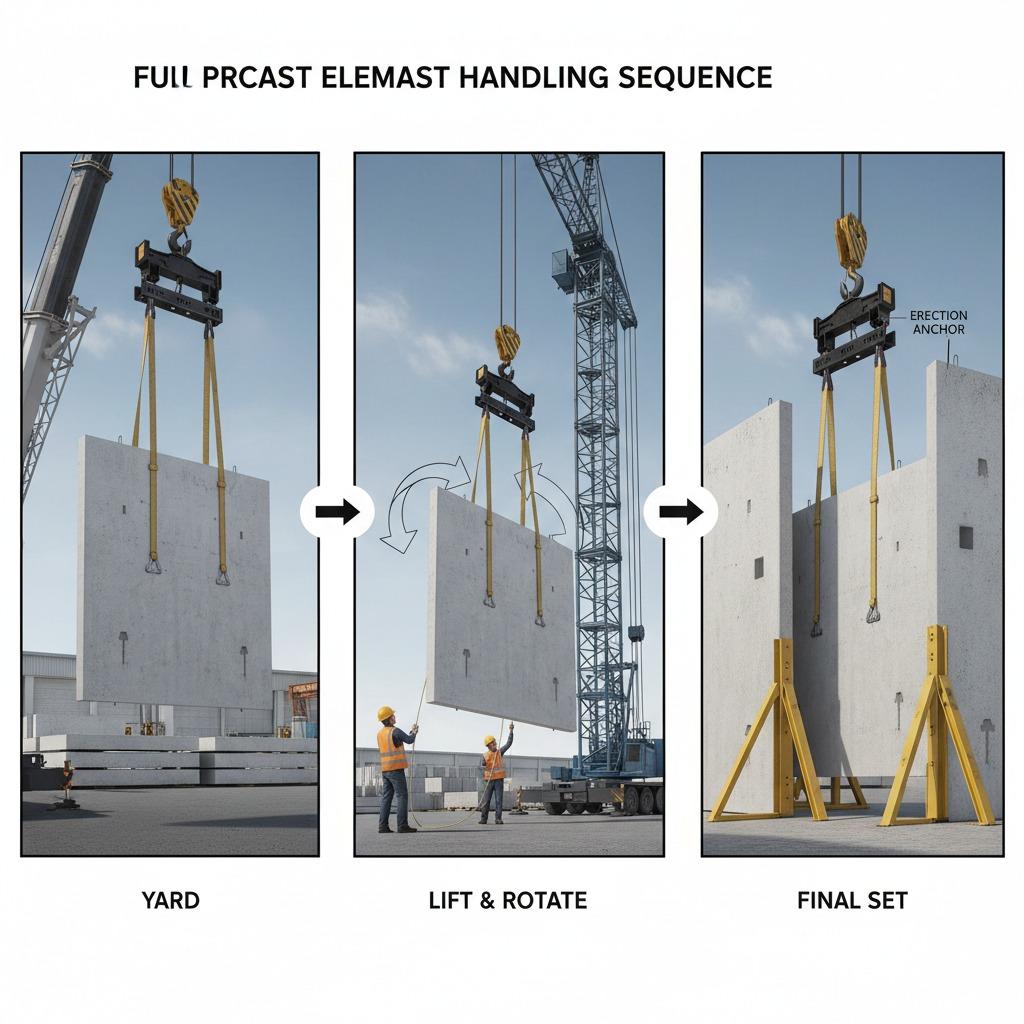
If the application is part of a larger construction product line, it helps to view the recess former as one element in a chain that includes formwork design, concrete mix behavior, and handling practice. A good accessory cannot fix a weak process, but a poor one can certainly make a good process harder to run.
Quick buyer takeaway
A rubber recess former is a simple tool with an outsized effect on consistency, demoulding, and finished part quality. The best purchasing decision is usually the one that balances fit, release, and durability against the realities of the production line. That is the kind of decision that holds up after the first delivery, not just on the quote sheet.
Next step for procurement and production teams
Before placing an order, confirm the recess dimensions, the target embedded hardware, and the conditions under which the former will be reused. If possible, review a sample in the actual mould rather than relying only on drawings. In this category, a short trial often tells you more than a long specification sheet.