Lifting Anchor: What It Does and Why Buyers Care
A lifting anchor is one of those components that rarely gets attention until a jobsite, precast yard, or manufacturing floor needs it to work perfectly. For engineers and sourcing teams, the issue is not whether the part is simple. It is whether the lifting anchor matches the load case, the concrete element, and the handling method without creating avoidable risk. That decision matters because a lifting failure can damage product, slow installation, and put people at risk.
If you are comparing options, the real question is usually not “which lifting anchor is strongest?” but “which lifting anchor is appropriate for this piece, this lift angle, and this handling sequence?” That is a more useful way to evaluate the part, especially when dealing with precast concrete, panels, blocks, pipes, or other cast-in lifting points.
What a Lifting Anchor Actually Does
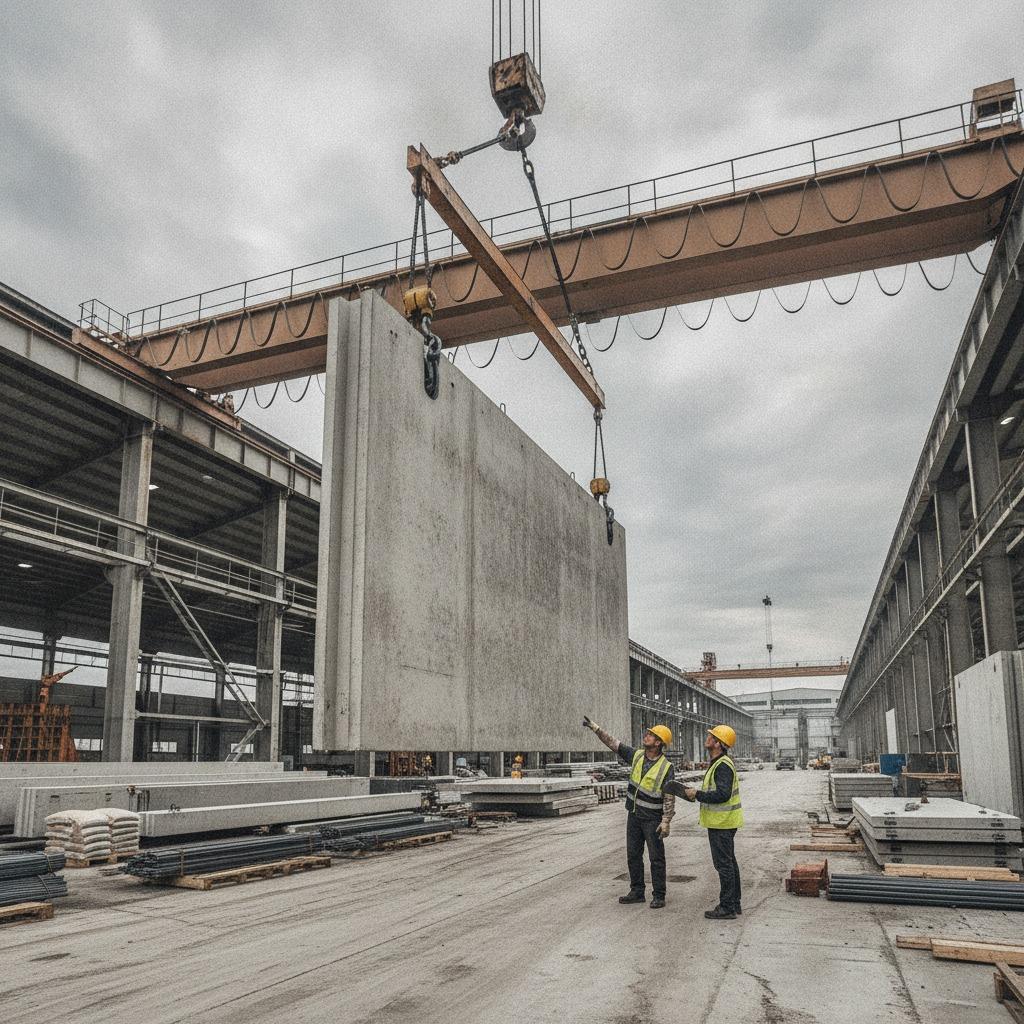
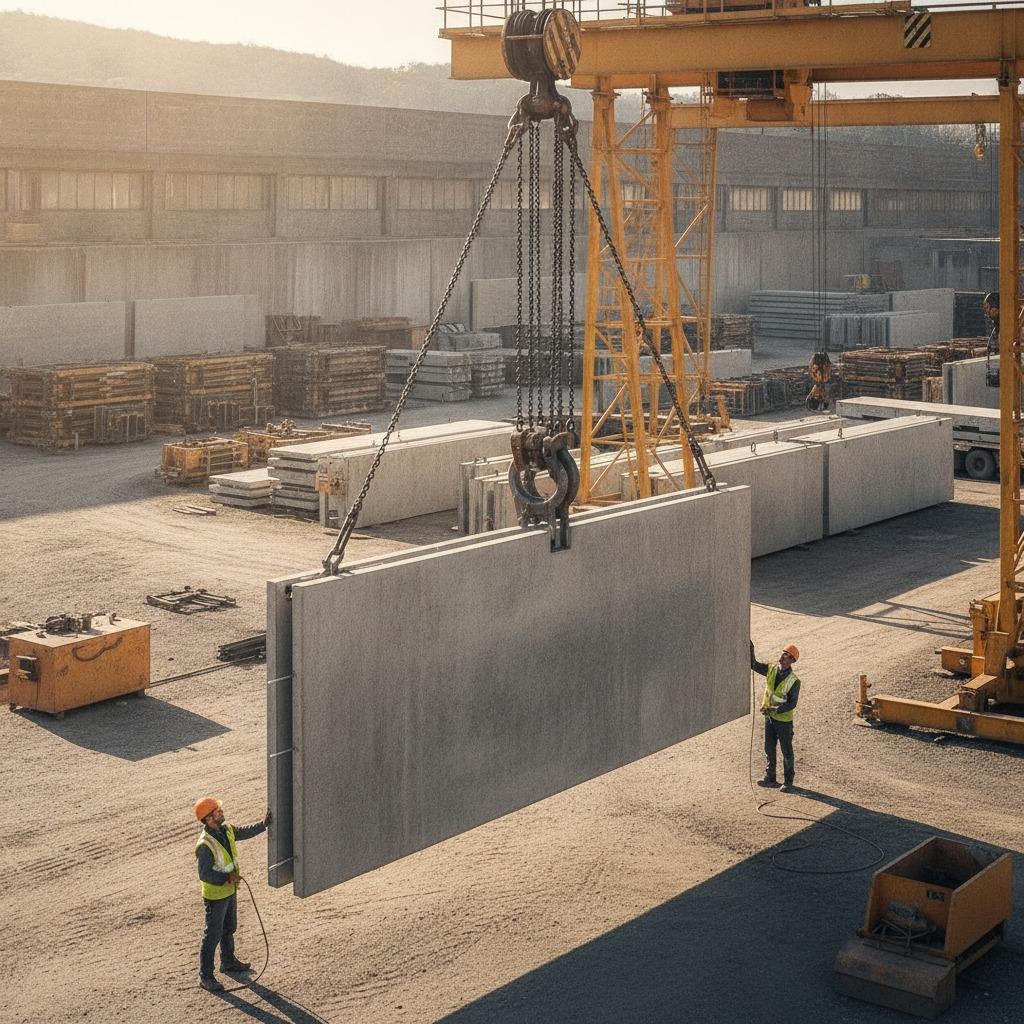
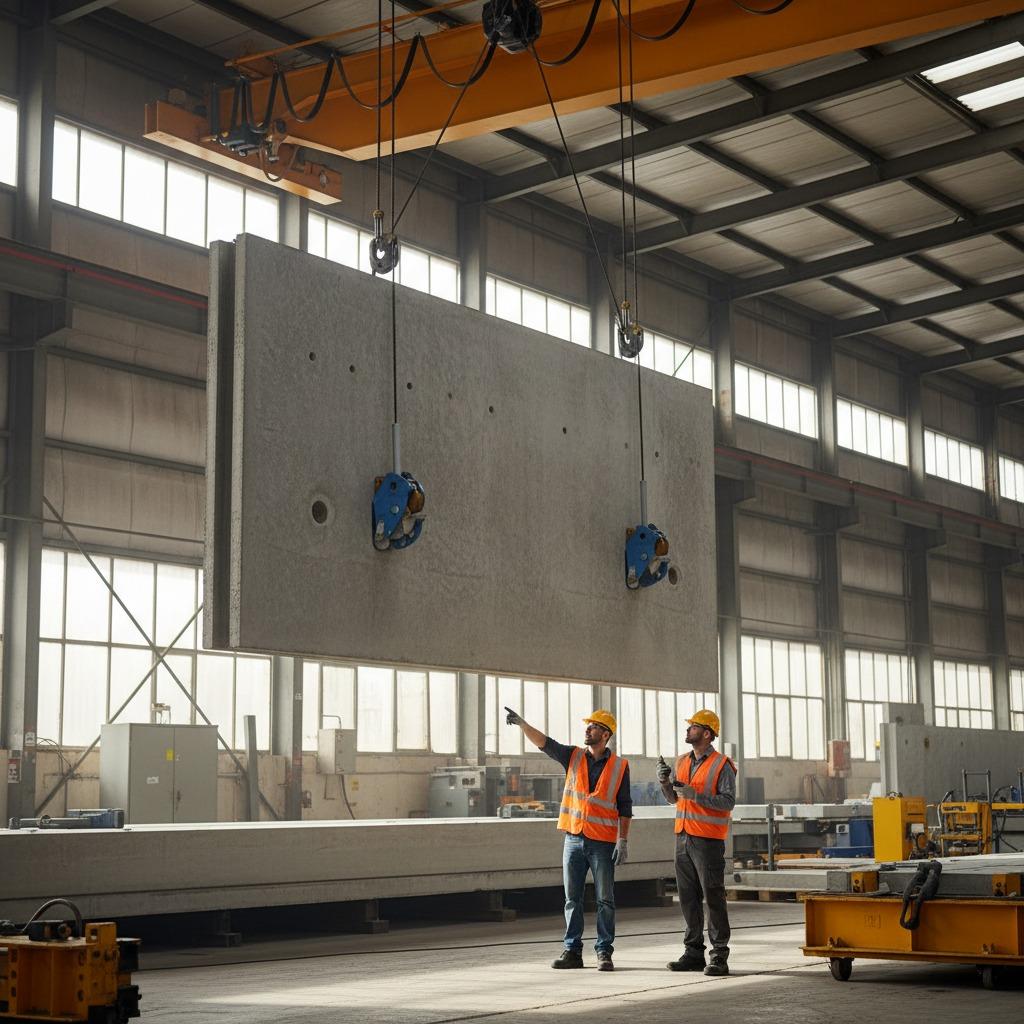
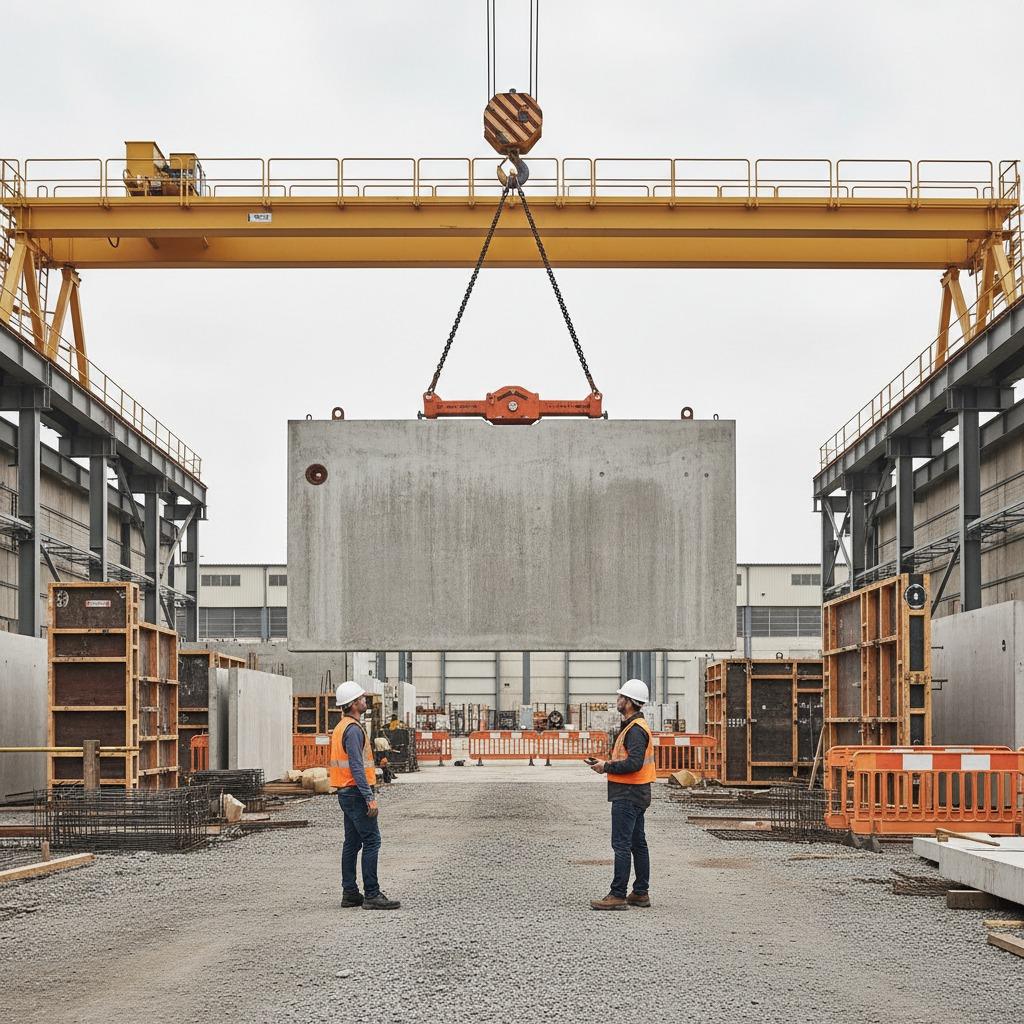
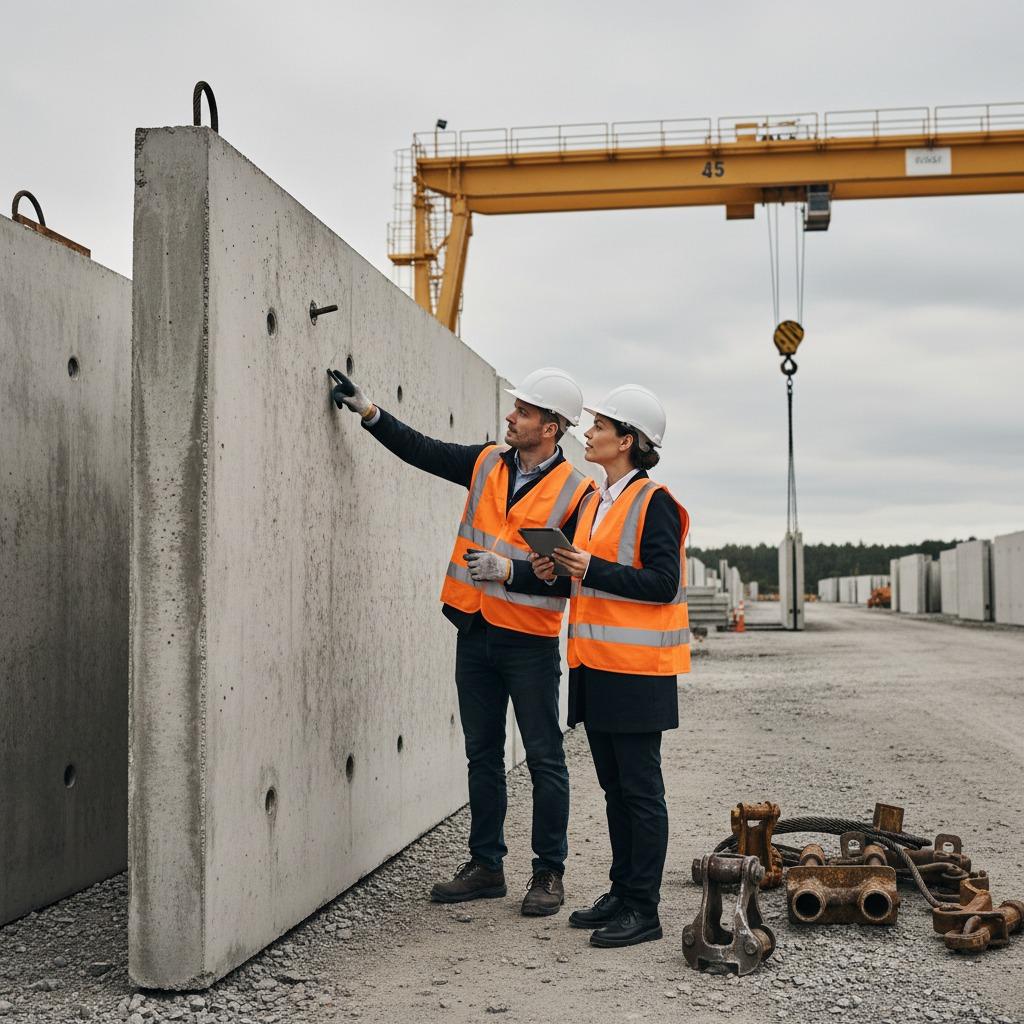
In practical terms, a lifting anchor transfers load from a crane hook or rigging attachment into the concrete or component body. Depending on the design, it may be cast in during production or installed by another method. The anchor must carry the intended load without overstressing the surrounding material. That sounds straightforward, but the details matter: embedment depth, edge distance, concrete strength, and the geometry of the lift all affect performance.
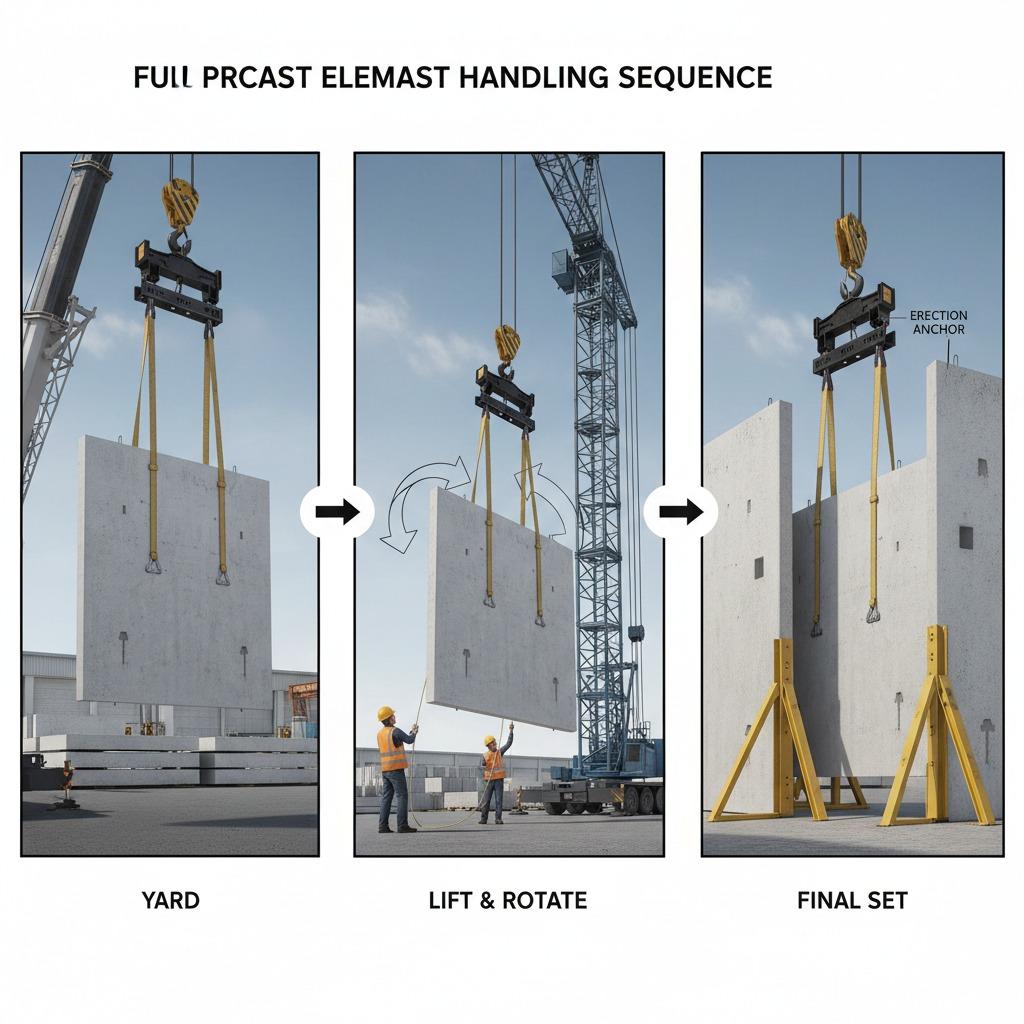
For many buyers, the anchor is part of a broader handling system that may also include a lifting clutch, rigging hardware, and lift-point planning. Those items should be evaluated together, not separately. A robust anchor paired with the wrong clutch or an awkward lift angle can still create a weak system.
Quick Buyer Takeaways
If you need a fast way to narrow your shortlist, start with these practical checks:
First, confirm the load path and whether the lift is vertical or includes angle loading. Second, verify the material the anchor is intended to work with, especially the concrete grade or the cast body it is embedded in. Third, check whether the lifting hardware is compatible, including the lifting clutch if your process uses one. Fourth, look at production consistency. A good anchor is not only about design; it is about repeatable manufacturing.
One common buyer mistake is assuming a single anchor design can cover every product family. It often cannot. The handling requirements of a thin wall panel are not the same as those of a heavier block or a compact machine part.
Common Types and Where They Fit
Cast-in lifting anchors
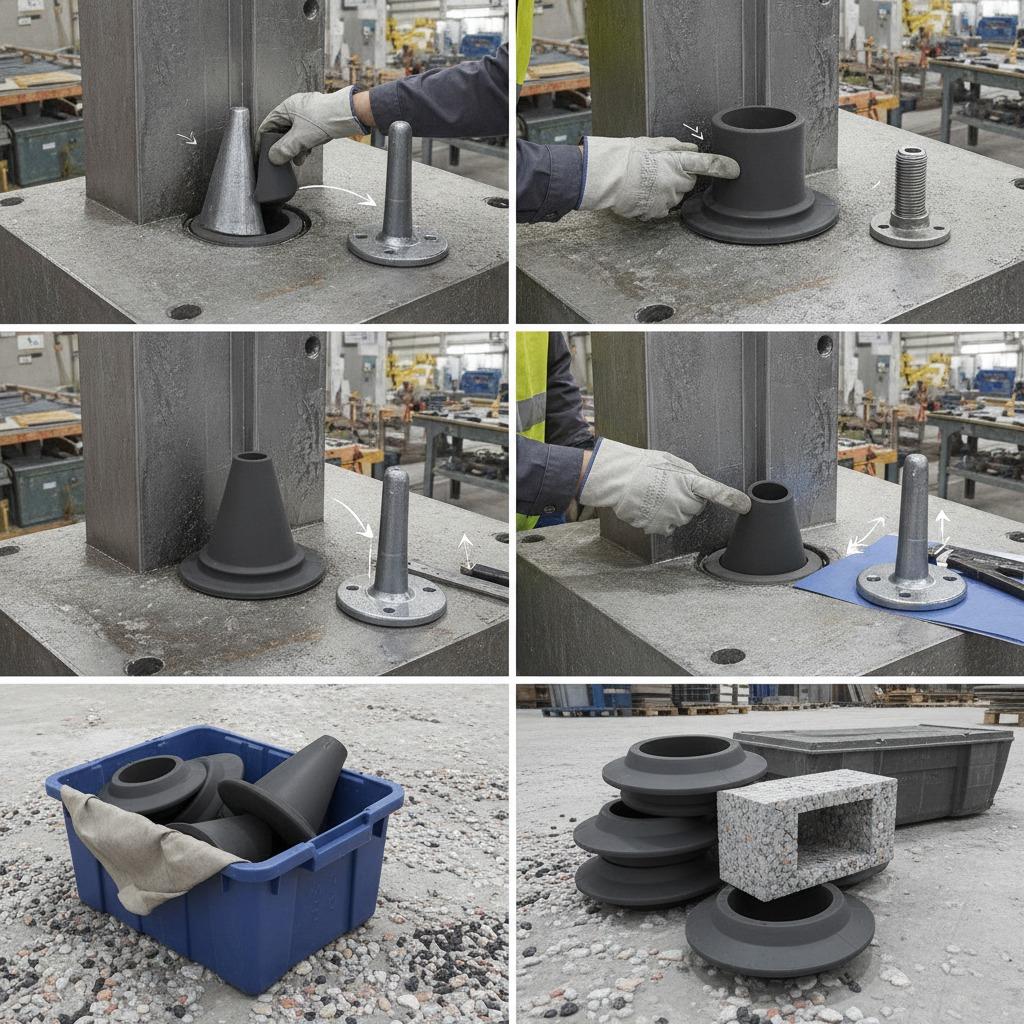
These are widely used in precast and concrete handling because they become part of the element during casting. The main advantage is integration: the anchor is placed where the design calls for it, and the surrounding material can be engineered around that point. The downside is that it requires discipline on the production line. Placement errors are not forgiving.
Anchors used with a lifting clutch
In many systems, the lifting anchor is designed to accept a lifting clutch for fast attachment and release. This can improve handling speed and reduce manual intervention, which is useful in high-throughput yards. Still, compatibility is non-negotiable. The clutch and anchor should be treated as a matched pair, not a mix-and-match accessory bin.
Selection Criteria That Actually Matter
When sourcing a lifting anchor, focus on the factors that change real-world performance rather than brochure language. Load rating is obvious, but it should be read in context. The lift direction matters. So does the surrounding material thickness and the expected handling environment. If the component will be moved repeatedly, the anchor should be suitable for repeated use patterns where applicable.
Manufacturing quality is another point that gets overlooked. Surface finish, thread quality where relevant, dimensional consistency, and traceable production control all affect how smoothly the anchor works in the field. Small defects become big problems when a crane is waiting and the crew is under time pressure.
Buyers should also ask how the product is packed and identified. Good labeling may sound minor, but it helps avoid mix-ups between similar-looking lifting components on a busy shop floor.
Common Mistakes That Create Trouble Later
The most expensive mistake is choosing by nominal capacity alone. An anchor may look adequate on paper and still be wrong for an edge lift, a thin section, or an awkward rotation. Another mistake is ignoring how the lifting system will be used by operators. If attachment is slow or unclear, people improvise. That is where damage begins.
A practical caution: do not assume all lifting accessories from different suppliers are interchangeable. Even if dimensions appear close, small differences in seating, locking, or engagement geometry can affect the connection. That is especially true when using a lifting clutch.
What Engineers and Sourcing Teams Should Ask Before Ordering
Ask for the design basis, the intended application, and the matching hardware. Ask how the anchor is installed and what production controls are used to keep placement consistent. Ask whether the supplier supports the product family with related lifting accessories, because handling systems are easier to manage when the components were designed to work together.
If your team is standardizing across multiple plants or projects, it is worth documenting the anchor type, the compatible clutch, and the approved installation method in one internal spec. That simple step reduces last-minute substitutions.
FAQ: Lifting Anchor Basics
Is one lifting anchor design suitable for all concrete products?
Usually not. Product geometry, load distribution, and handling method vary too much.
Do I need a lifting clutch?
Only if your handling process is designed around that connection method. If you use one, make sure it matches the anchor.
What should I prioritize first?
Safe load transfer, compatibility with the lifting method, and repeatable manufacturing quality. Everything else comes after that.
Next Step
If you are evaluating a lifting anchor for production use, build your shortlist around application fit rather than catalog simplicity. Confirm the lift conditions, check hardware compatibility, and make sure the supplier can support consistent manufacturing and clear product identification. That is usually the difference between a component that disappears into the process and one that keeps showing up as a problem.