Understanding How to Remove a Hex Bolt
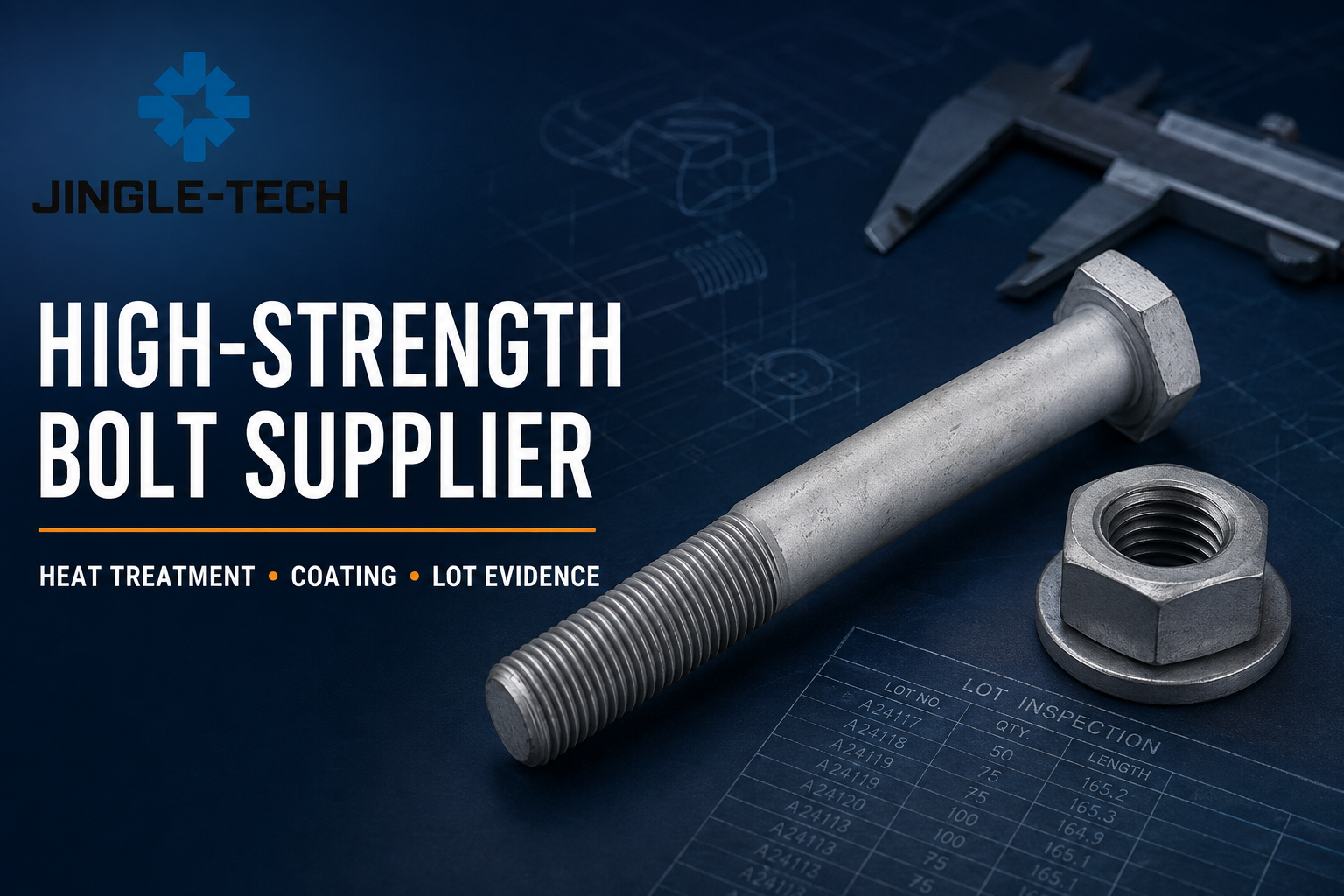
When dealing with how to remove a hex bolt, it's essential to approach the task methodically to avoid damaging the surrounding material or stripping the bolt further. Hex bolts, known for their six-sided heads, are commonly used in construction, automotive repairs, and machinery assembly due to their strength and ease of use with wrenches or sockets. If you're facing a stubborn hex bolt that's rusted, seized, or overtightened, start by gathering the right tools: a properly sized socket wrench, penetrating oil like WD-40, and possibly pliers or a breaker bar for extra leverage. The first step in how to remove a hex bolt is to assess the condition. If the bolt head is intact, apply penetrating oil around the threads and let it sit for 10-15 minutes to loosen any corrosion. This simple preparation can make the difference between a smooth extraction and a frustrating ordeal.
Step-by-Step Guide on How to Remove a Hex Bolt
To effectively execute how to remove a hex bolt, begin by selecting the correct socket size that fits snugly over the hex head—too loose, and it might slip and round off the edges. Position your socket wrench securely and apply steady counterclockwise pressure. If the hex bolt doesn't budge, tap the wrench lightly with a mallet to break the initial resistance, but avoid excessive force that could damage the bolt or the workpiece. For particularly resistant cases, heat the area around the hex bolt with a propane torch for a few minutes; the expansion from heat can help free seized threads. Once loosened, continue turning until the hex bolt is fully removed. Safety is paramount here—wear gloves and eye protection to guard against flying debris or hot surfaces. This method works well for standard applications, but always consider the material you're working with, as aluminum or soft metals require gentler handling.
Advanced Techniques and Precautions for Removing Hex Bolts
Sometimes, basic methods aren't enough when learning how to remove a hex bolt, especially if the head is damaged or the bolt is broken off flush with the surface. In such scenarios, use a bolt extractor set: drill a small pilot hole into the center of the hex bolt using a left-hand drill bit, which can sometimes unscrew the bolt as it drills. Insert the extractor into the hole and turn it counterclockwise with a ratchet. If drilling isn't feasible, an angle grinder can cut a slot into the hex bolt for a flathead screwdriver. Prevent future issues by applying anti-seize compound during installation of new hex bolts. Remember, patience is key; rushing can lead to costly repairs. By following these steps, you'll master how to remove a hex bolt efficiently, saving time and frustration in your DIY or professional projects. Always consult a professional for critical structural components to ensure safety and integrity.
Tools and Maintenance Tips for Hex Bolts
Investing in quality tools enhances your ability to handle how to remove a hex bolt repeatedly without hassle. A torque wrench not only helps with installation but also prevents overtightening, a common cause of stuck hex bolts. Regular maintenance, like cleaning and lubricating bolts in humid environments, extends their life and makes removal straightforward. Understanding the grade of your hex bolt—such as SAE Grade 5 or 8—can also inform your approach, as higher-grade bolts are tougher and may require more aggressive techniques. With these insights, tackling a seized hex bolt becomes a manageable task rather than a daunting one.