Understanding the Basics of a Hose Clamp
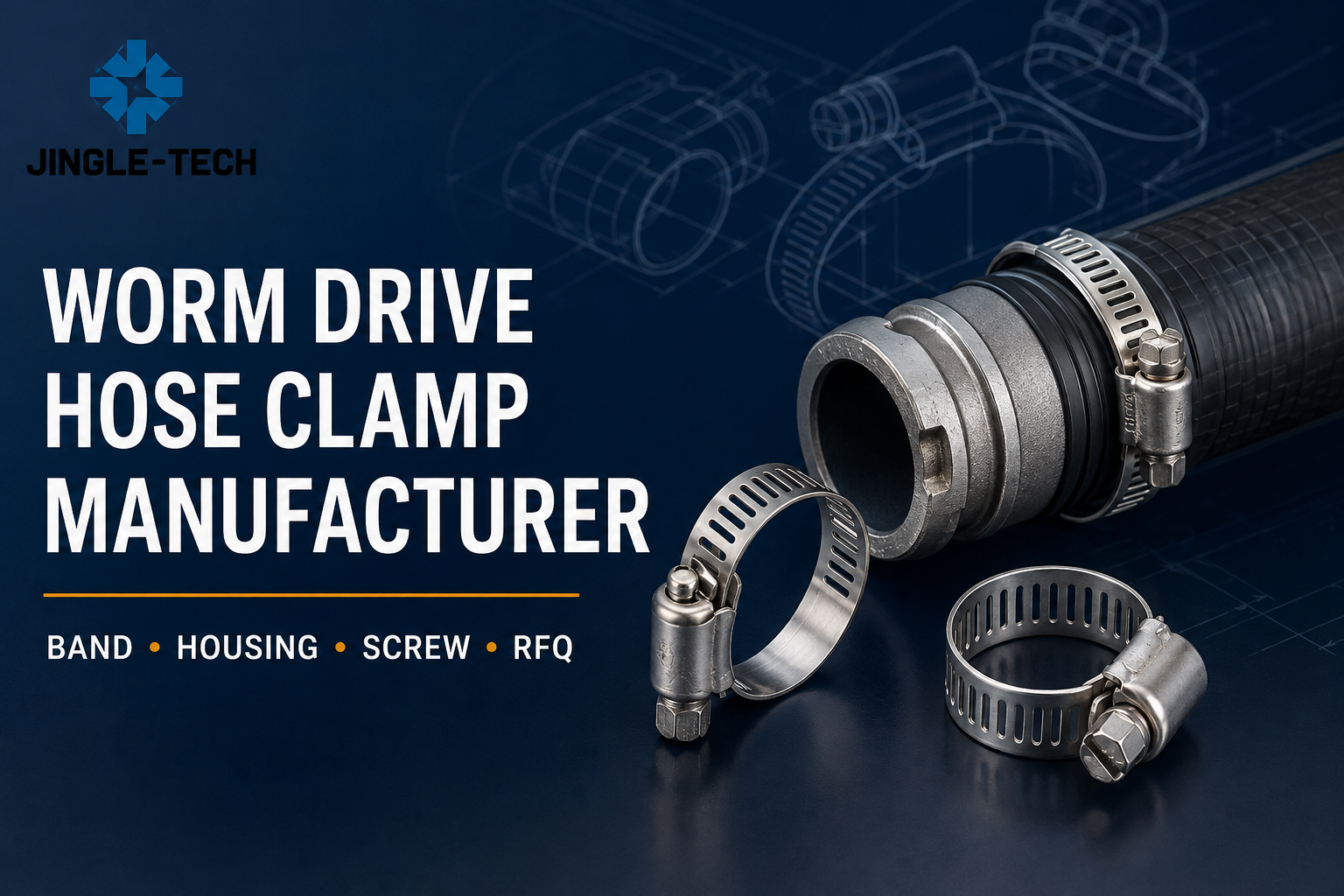
When it comes to securing hoses in various applications, a hose clamp is an indispensable tool that ensures a tight, reliable seal. Often simply referred to as a clamp, this hardware device is designed to fasten hoses onto fittings, pipes, or other components, preventing leaks and maintaining system integrity. Whether you're working on automotive repairs, plumbing projects, or industrial setups, selecting the right hose clamp can make all the difference in performance and safety. Hose clamps come in a variety of styles, including worm gear, spring, and wire types, each suited to specific pressure and environmental conditions.
Types of Hose Clamps and Their Applications
Exploring the different types of hose clamps reveals their versatility. The worm gear hose clamp, for instance, features a screw mechanism that allows for adjustable tension, making it ideal for applications requiring precise fitting, such as in engine cooling systems. Spring clamps, on the other hand, provide constant pressure through their inherent elasticity, which is perfect for high-vibration environments like heavy machinery. For lighter duties, a simple wire clamp suffices, offering quick installation without tools. Each type of clamp ensures that the hose remains securely attached, reducing the risk of slippage or failure under operational stress. Understanding these variations helps users choose the most appropriate clamp for their needs.
Benefits and Installation Tips for Hose Clamps
One of the primary benefits of using a high-quality hose clamp is its ability to withstand corrosion and extreme temperatures, extending the lifespan of both the clamp and the hose it secures. Made from materials like stainless steel or galvanized steel, these clamps resist rust and chemical exposure, making them suitable for marine, agricultural, and HVAC systems. Proper installation is crucial: position the clamp over the hose end, align it with the fitting, and tighten evenly to avoid damaging the hose material. Over-tightening can cause cracks, while under-tightening leads to leaks, so using a torque wrench for worm gear types is recommended. Regular inspections of the clamp ensure ongoing reliability.
Maintaining and Troubleshooting Hose Clamp Issues
To maximize the effectiveness of a hose clamp, routine maintenance is essential. Check for signs of wear, such as loosening or corrosion, and replace the clamp promptly to prevent system failures. In troubleshooting, if a clamp fails to hold, verify the size compatibility—hose clamps must match the hose diameter closely for optimal grip. Environmental factors like exposure to saltwater can accelerate degradation, so opting for marine-grade clamps in such scenarios is wise. By addressing these aspects, users can avoid costly downtime and ensure smooth operations. Overall, investing in durable hose clamps pays off in reliability and peace of mind across countless applications.