Finding a dependable hose clamp supplier is a critical task for industries ranging from automotive repair and manufacturing to agriculture and plumbing. These small but essential components play a vital role in securing connections, preventing leaks, and ensuring the operational integrity of fluid and air systems. The quality of a simple hose clamp can mean the difference between a secure, long-lasting seal and a costly failure. Therefore, selecting a supplier that understands the technical requirements and provides reliable, high-quality products is paramount for any business that values safety and efficiency.
Benefits of Sourcing from a Wholesale Clamp Provider
For businesses that require a consistent and large volume of components, partnering with a provider specializing in wholesale clamp distribution offers significant advantages. Purchasing in bulk not only leads to considerable cost savings per unit but also simplifies inventory management and ensures product consistency across projects. A dedicated wholesale partner can maintain a steady supply chain, reducing lead times and preventing work stoppages caused by component shortages. Furthermore, a reputable wholesale supplier often has rigorous quality control processes, guaranteeing that every clamp in a large order meets the same high standards. This reliability is crucial for manufacturers and large-scale service operations where consistency is key to brand reputation and customer satisfaction.
The Gold Standard: Understanding German Hose Clamp Quality
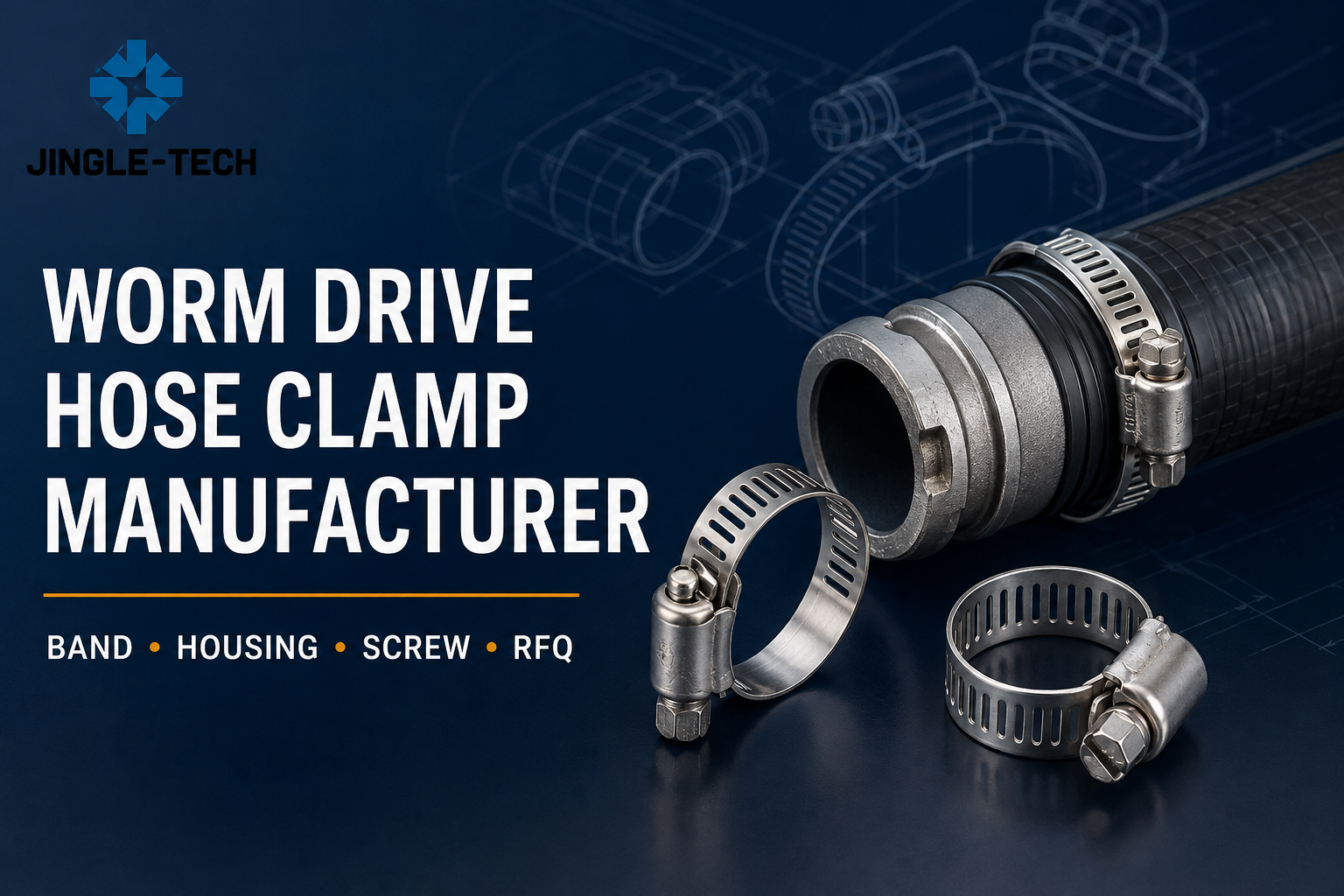
When performance under pressure is non-negotiable, many professionals turn to the German hose clamp. Renowned for its superior engineering and robust construction, the German hose clamp is a benchmark for quality in the industry. These clamps typically feature a non-perforated, rolled-edge band, which prevents the clamp from cutting into the hose material, even when tightened to high torque specifications. This design provides a more uniform sealing pressure around the entire circumference of the hose. Manufactured using high-grade materials like W4 or W5 stainless steel, they offer exceptional corrosion resistance and durability, making them ideal for demanding applications in marine, automotive, and industrial environments where they are exposed to harsh conditions.
What to Look for in a Hose Clamp Supplier
Choosing the right partner involves more than just comparing prices. An ideal hose clamp supplier should offer a comprehensive catalog that includes various types, sizes, and materials to meet diverse application needs, from standard worm-gear clamps to specialized products like the high-performance German hose clamp. They should be able to support both small-scale purchases and large wholesale clamp orders with equal efficiency. Look for a supplier that provides detailed product specifications, material certifications, and transparent quality assurance information. Excellent customer service, technical support, and logistical expertise are also hallmarks of a top-tier supplier who acts as a true partner in your success, ensuring you get the right product for your application every time.