What Buyers Really Mean When They Search for an ISO9001 Fastener Manufacturer
When engineers or sourcing teams look for an ISO9001 fastener manufacturer, they are usually not shopping for a certificate to frame on the wall. They are looking for a supplier that can make threaded parts consistently, document its process, and reduce the chance of surprises once production ramps up. That matters because fasteners are small, but failures are expensive: a missed lot, a dimension drift, or inconsistent coating can stop an assembly line faster than a much larger component.
For buyers, the decision is rarely “certified or not certified.” It is more often about whether the manufacturer has a controlled system for quotation, raw material handling, inspection, traceability, and corrective action. In other words, can this supplier hold the line when volumes rise, drawings change, or a new program starts in a hurry?
Why ISO 9001 Matters in Fastener Supply
ISO 9001 is a quality management standard, not a product standard. That distinction is worth keeping in mind. It does not guarantee a perfect bolt, screw, nut, or washer, and it does not replace your own part print, material requirements, or incoming inspection. What it does is push the manufacturer toward repeatable control of the business process behind the part.
For fasteners, that control touches several practical areas:
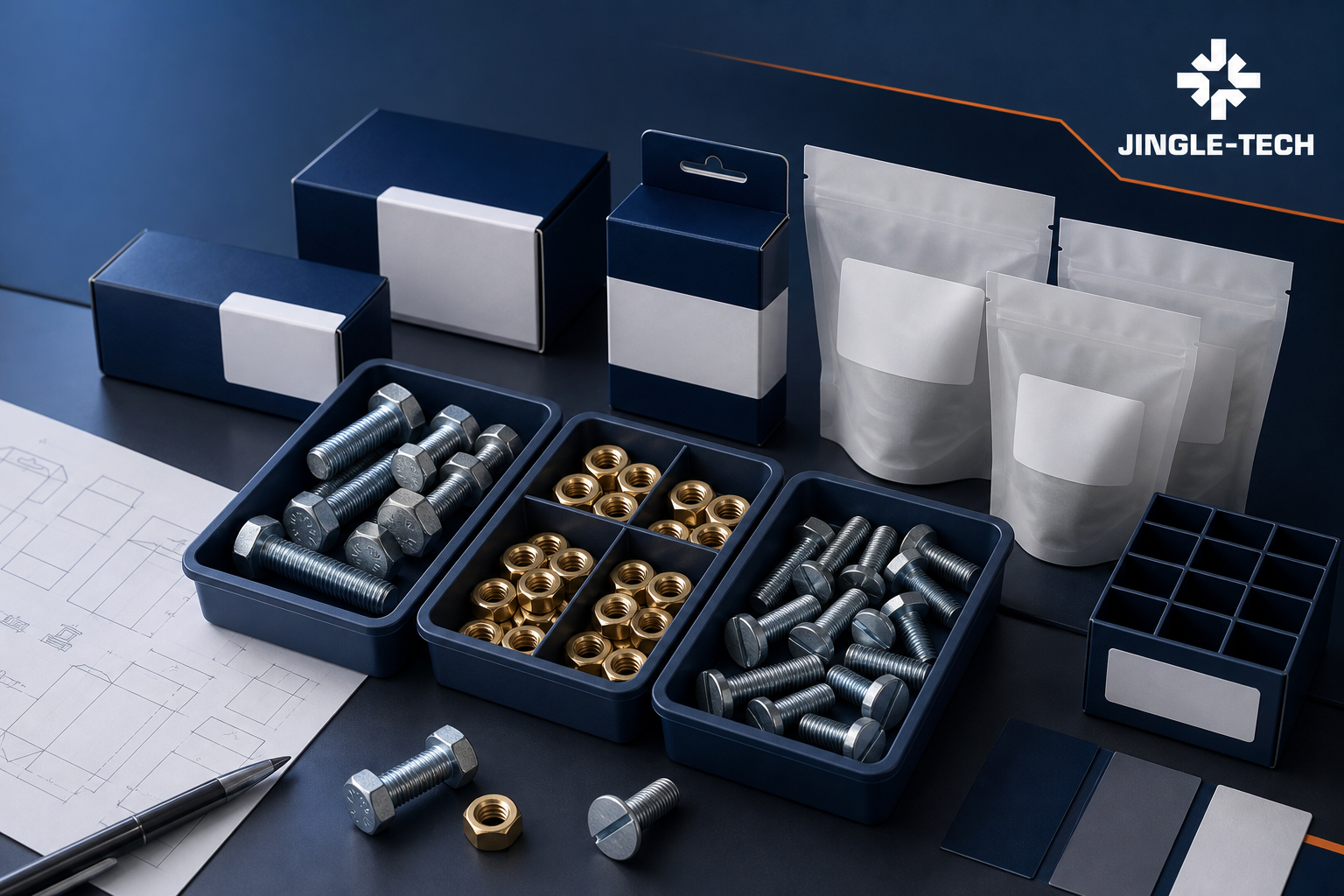
material verification and lot separation; in-process inspection of thread geometry and head dimensions; control of heat treatment or surface finishing where applicable; packaging that prevents mixed lots; and recordkeeping that makes a field issue easier to isolate. If a supplier cannot explain those basics clearly, the certificate alone is not much help.
Quick Buyer Takeaways
Before you send RFQs or approve a vendor list, it helps to separate marketing language from useful evidence.
A capable supplier should be able to speak plainly about:
the fastener types it produces; the materials it normally works with; the inspection points it uses; how it handles nonconforming product; and what kind of documentation comes with each shipment. If a supplier answers every question with “no problem” but cannot describe the process, that is a small warning sign. Not dramatic, just worth noting.
What to Check Beyond the Certificate
Traceability and lot control
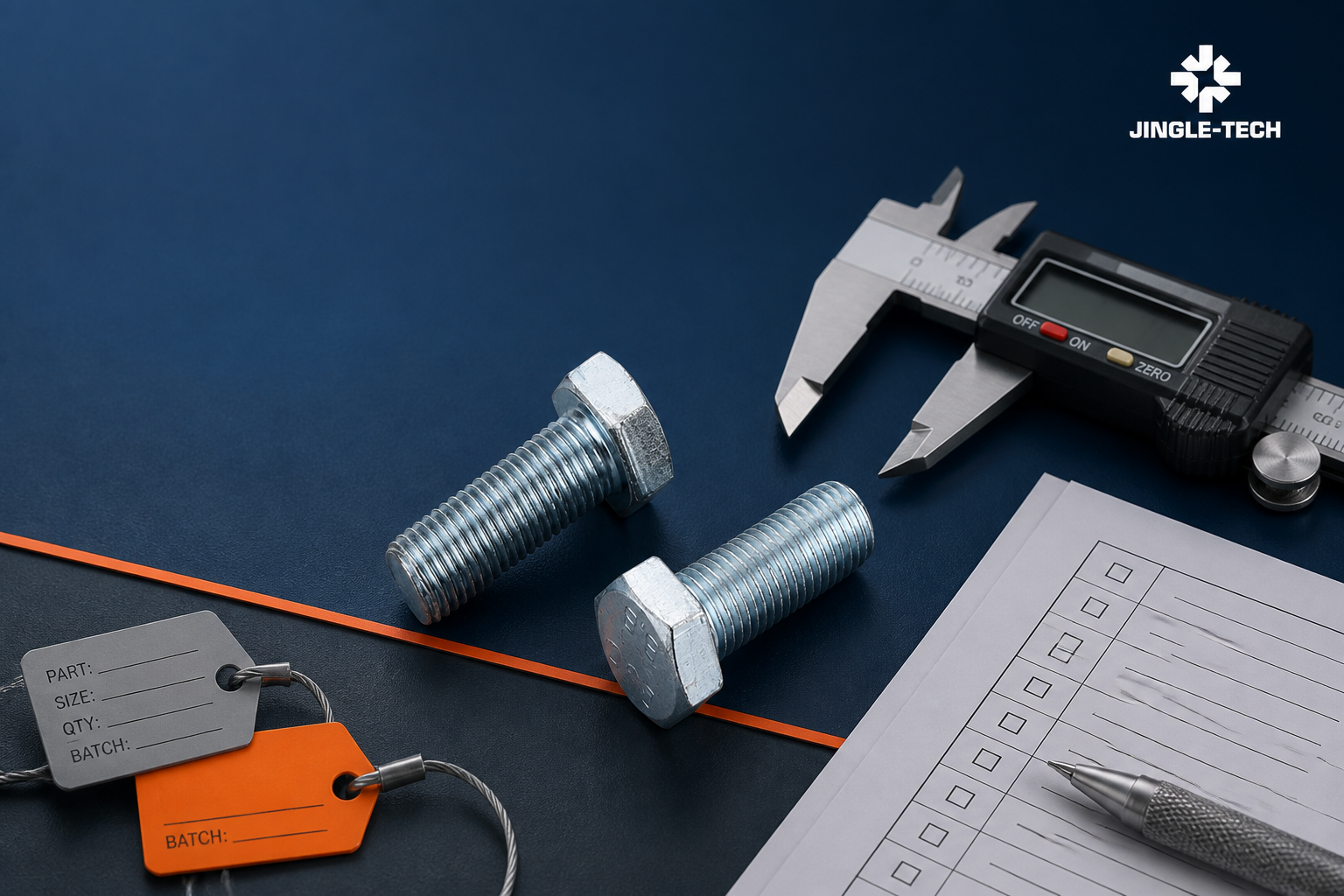
Fasteners are often used across multiple assemblies, and one mixed bag can create a lot of cleanup later. Ask how the manufacturer identifies raw material lots, work orders, and finished batches. If your product is safety-sensitive, traceability should be more than a line in a brochure.
Inspection capability
Inspection does not need to sound glamorous to be useful. Thread gauges, dimensional checks, hardness testing where relevant, coating checks, and visual sorting all matter. The point is not to flood the buyer with jargon. The point is to show that the plant knows which dimensions and properties are critical, and checks them consistently.
Change control
Fastener programs can shift for innocent reasons: a substitute material, a new plating route, a tool change, or a packaging update. The right manufacturer should notify customers when a process change might affect form, fit, or function. Buyers often overlook this until a complaint lands on their desk.
Common Mistakes Buyers Make
One common mistake is assuming all fasteners are interchangeable if the size looks right. In practice, thread class, drive style, material grade, coating, and mechanical performance can vary enough to cause trouble. Another is focusing only on unit price. A slightly cheaper supplier that creates sorting work, delayed shipments, or inconsistent documentation is not really cheaper.
Some buyers also skip the awkward but necessary question: what happens if a shipment is out of spec? A solid manufacturer will have a defined response path, not just a promise to “take care of it.” That response matters when the parts are already on your dock.
How to Evaluate an ISO9001 Fastener Manufacturer
A practical evaluation usually starts with your own drawing and application requirements. Then compare each supplier on a few grounded points rather than on glossy claims. Can they make the fastener family you need regularly, or only by exception? Do they understand your end use, whether it is industrial equipment, automotive subassemblies, electronics, or general machinery? Can they support documentation and repeat orders without friction?
If you are sourcing globally, it also helps to ask about lead-time stability, packaging formats, minimum order expectations, and how the plant handles rush work. These are not abstract issues. They determine whether your production team will trust the supplier six months from now.
Practical Buyer Advice for RFQs and Supplier Reviews
Keep your RFQ specific. Include drawings, material notes, finish requirements, sample approval expectations, and any test documents you need. Vague requests create vague quotes, and vague quotes create disappointment.
During supplier review, ask for examples of the actual records they provide, not just the list of capabilities. A quality certificate is one part of the picture; the daily discipline behind it is what protects your schedule.
FAQ: ISO9001 Fastener Manufacturer
Does ISO 9001 mean the fasteners are automatically high quality?
No. It means the manufacturer has a formal quality management system. Product quality still depends on the design, materials, process control, and inspection discipline.
Is ISO 9001 enough for every fastener application?
Not always. Some industries or applications may require additional material, performance, or compliance documentation. The buyer should match the supplier’s capabilities to the part’s actual risk.
What is the safest next step?
Start with the drawing, ask pointed questions about traceability and inspection, and compare suppliers on process transparency rather than price alone. For teams that buy fasteners regularly, that approach saves time and reduces avoidable rework.