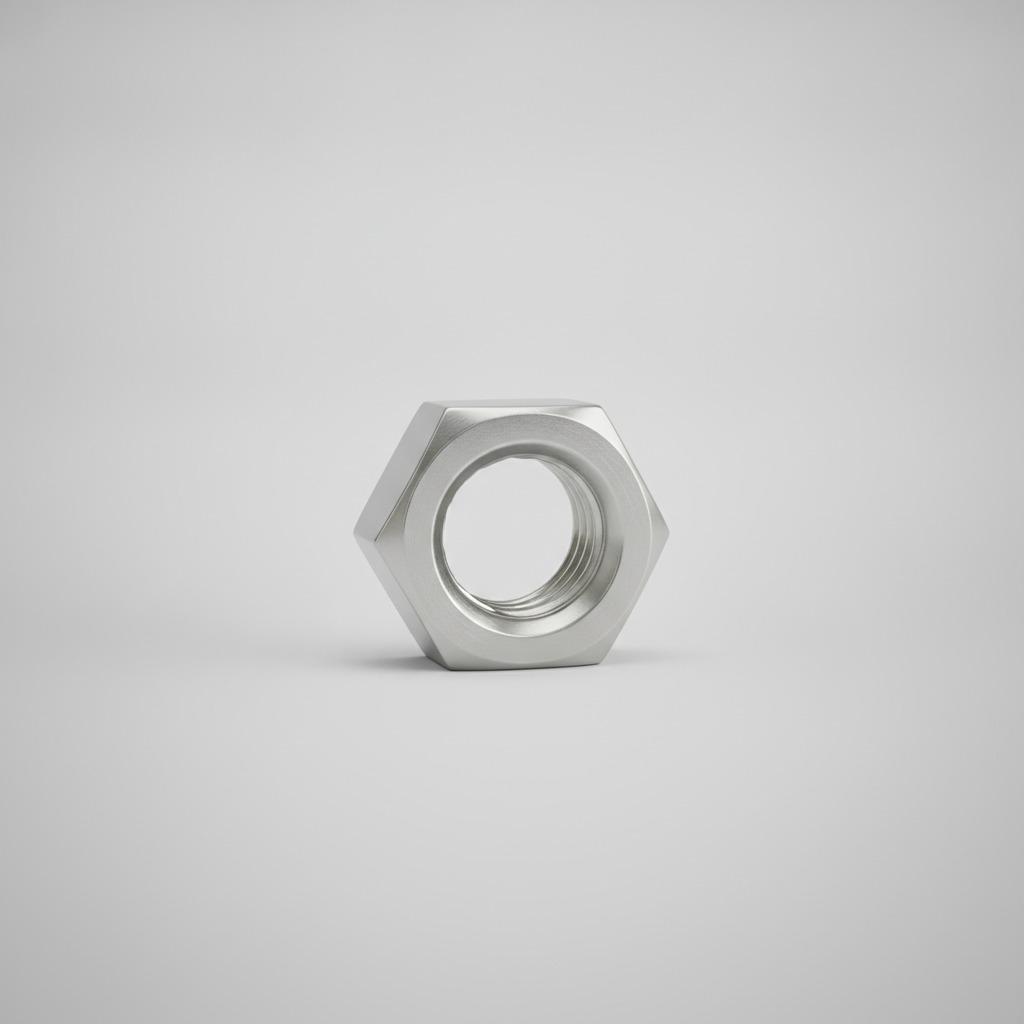
Why buyers still specify the hex nut first
A Hex Nut Manufacturer is often judged on one simple thing: can the part hold a joint together without wasting time on the line or causing problems later in service? That sounds obvious, but fasteners sit in a difficult place. They are small, low-cost, and easy to overlook until a batch of loose joints, stripped threads, or corrosion complaints starts interrupting production. For sourcing teams and engineers, the real question is not whether a hex nut is common; it is whether the supplied nut matches the assembly, the load, and the environment well enough to stay invisible after installation.
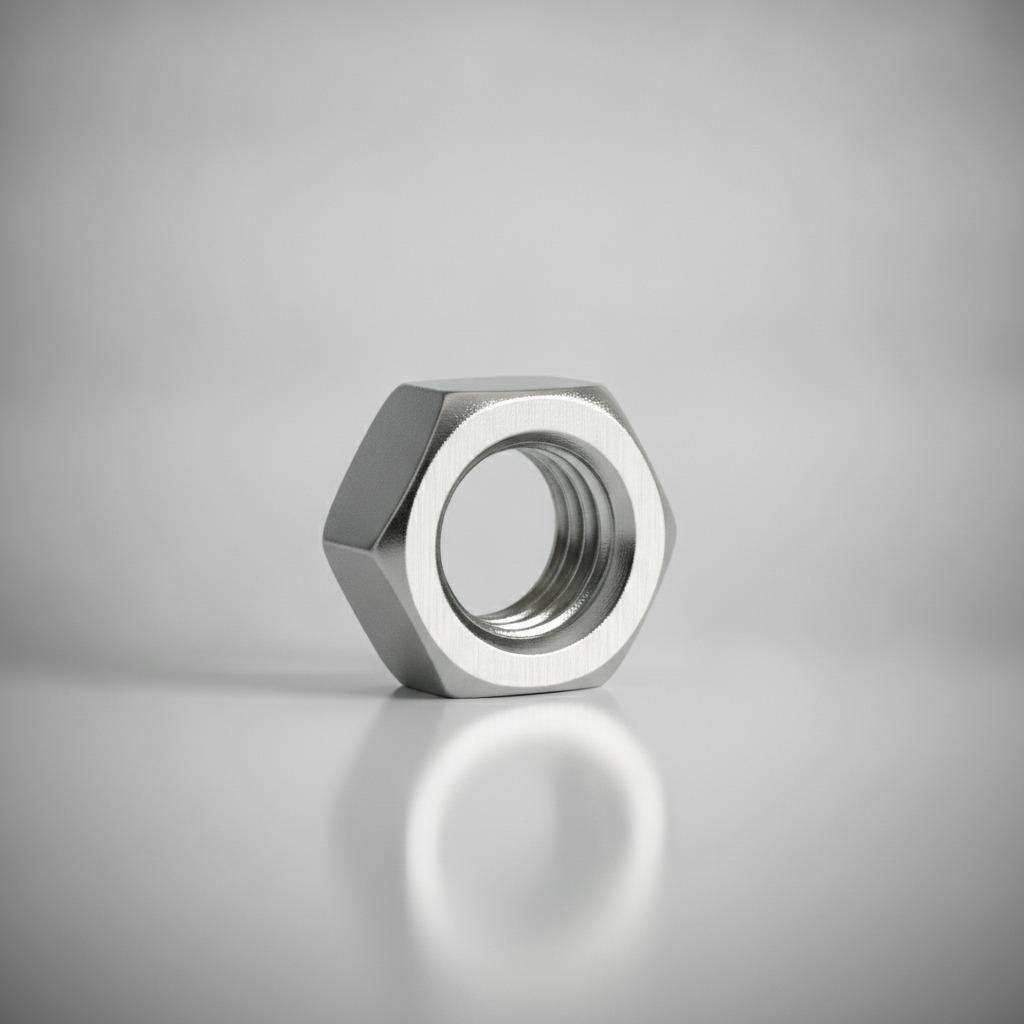
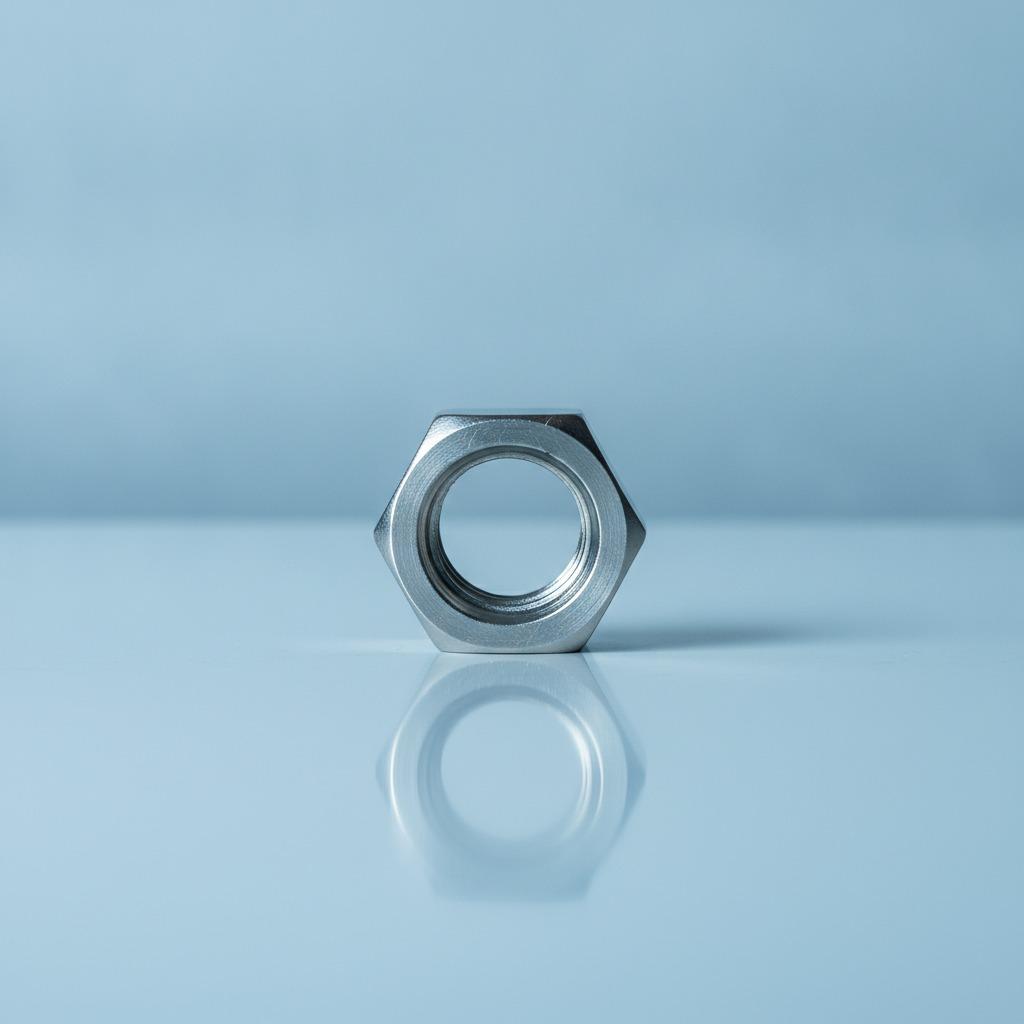
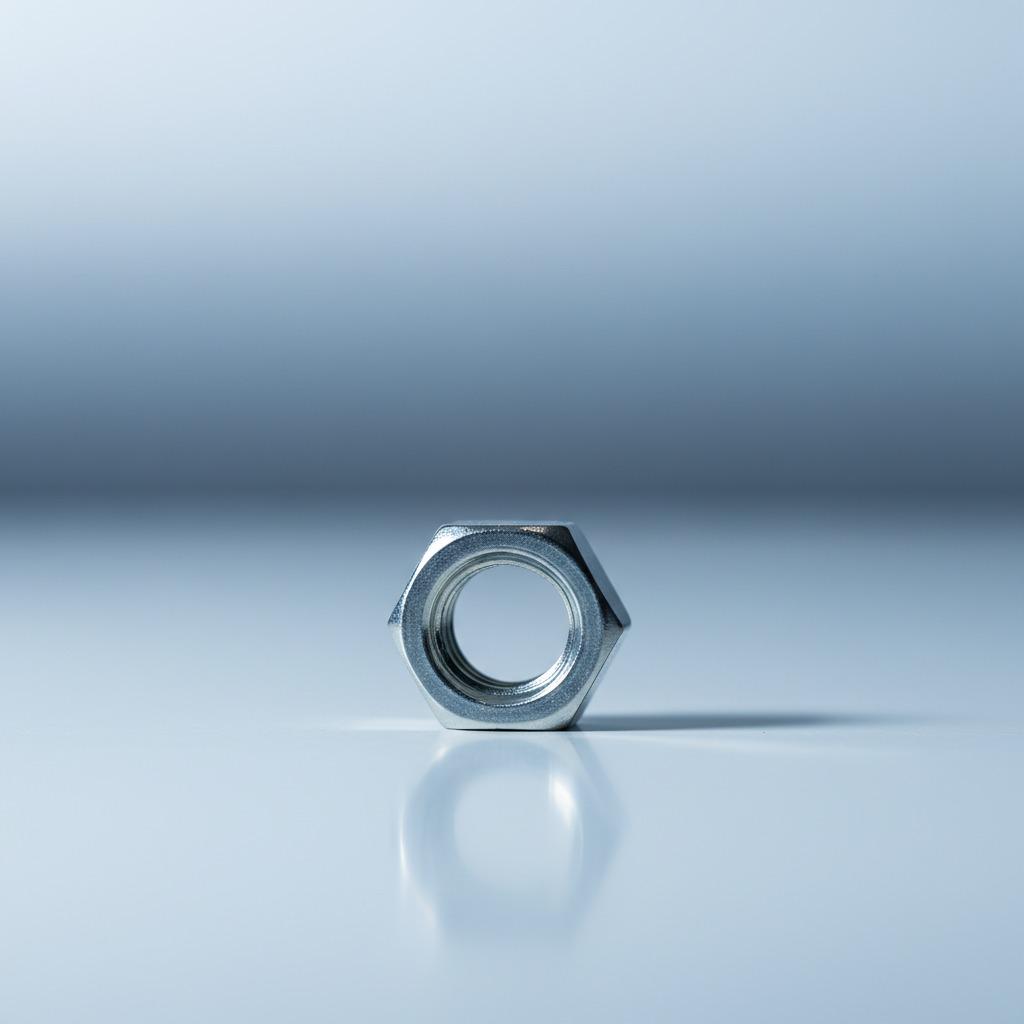
The visible product in this case is a standard six-sided threaded fastening nut with a bright metallic finish, flat wrenching faces, and chamfered edges. That is the familiar form most buyers expect for general mechanical fastening. It works with a matching bolt or threaded rod to clamp parts together in machinery, equipment assembly, maintenance, automotive work, construction, and metal fabrication. Simple as it looks, the details still matter.
What a buyer should confirm before placing an order
When comparing a Hex Nut Supplier, the first step is not price. It is fit. The thread size and pitch must match the mating bolt exactly, and the material must suit the service conditions. A nut that looks right in a sample photo can still be wrong for the application if the thread standard, strength requirement, or corrosion environment is off.
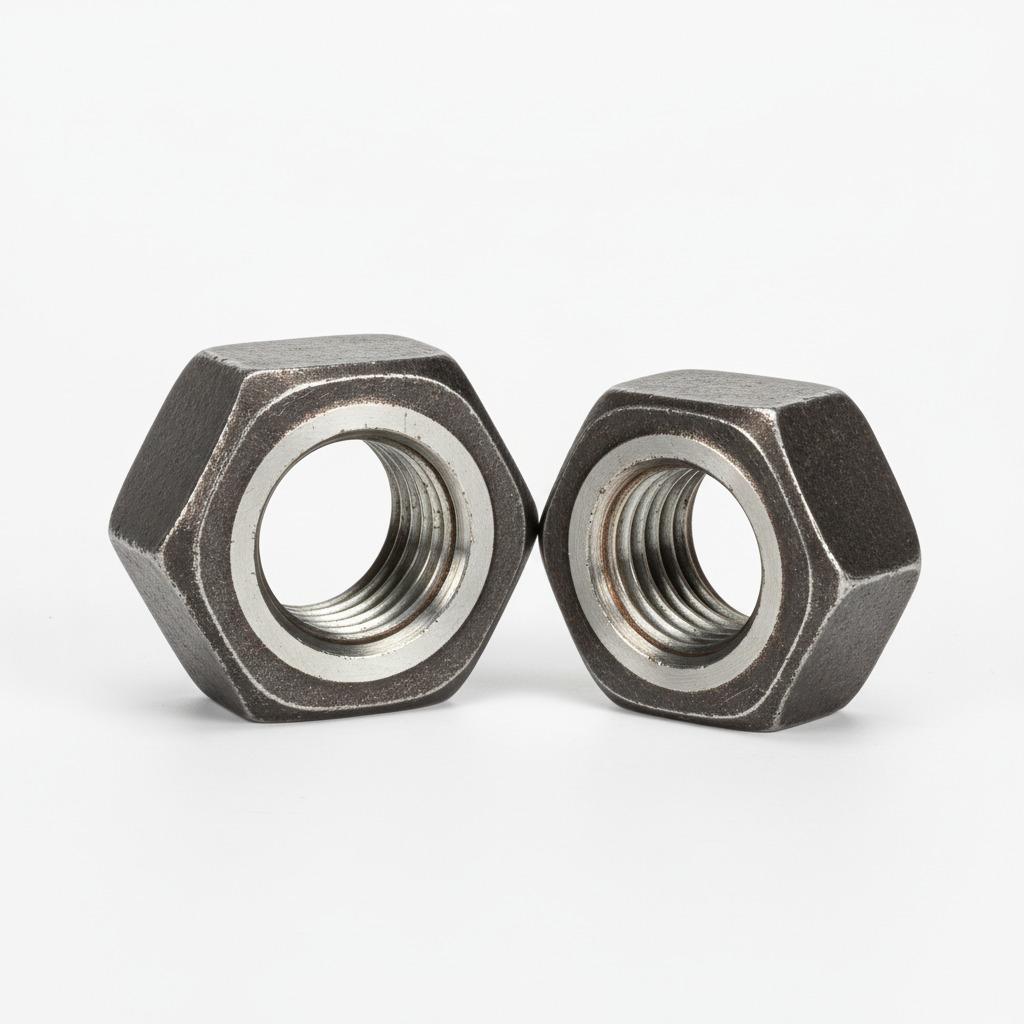
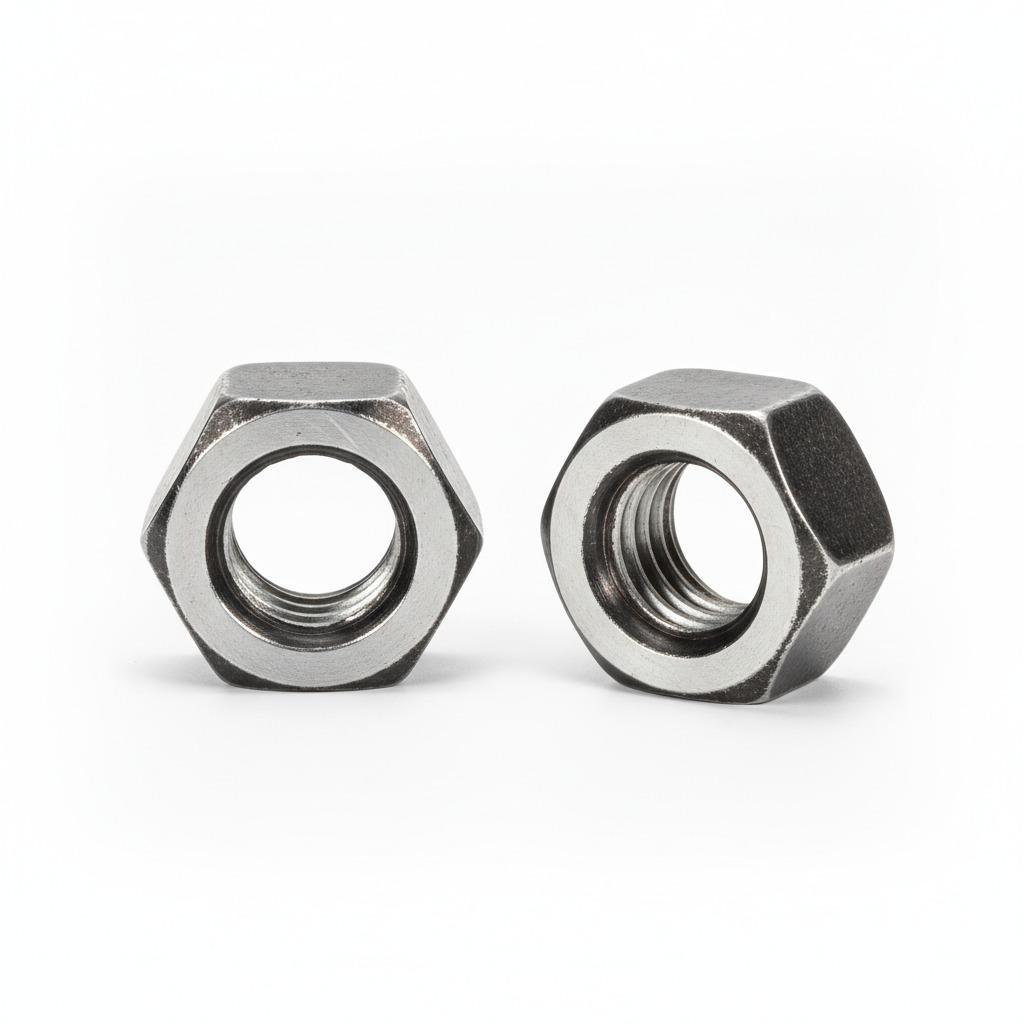
For example, a Stainless Steel Hex Nut may be the better choice where moisture, washdown, or outdoor exposure are part of the job. It usually makes sense in equipment and assemblies where surface appearance and corrosion resistance matter together. By contrast, a Carbon Steel Hex Nut is often favored when strength, cost control, and broad availability are the main goals, provided the corrosion environment is manageable or another protective measure is used. That trade-off is routine in industrial purchasing, but it should be made intentionally.
Quick checklist for procurement teams
Before approving a drawing or PO, confirm the thread specification, material, finish, required strength class if applicable, and any dimensional or standard requirements your assembly depends on. If the nut will be used in vibration-prone equipment, ask whether a standard hex nut is enough or whether a locking feature is required. That last point is easy to miss and expensive to correct later.
Manufacturing notes that affect quality
From the image and product description, this nut appears to be a conventional metal fastener with a reflective silver surface and clearly formed internal threads. The exact manufacturing route is not confirmed, but hex nuts are commonly cold-headed or machined and then threaded. In either case, the practical concern is consistency: clean thread form, proper engagement, and flat bearing faces that distribute clamping force evenly.
Buyers sometimes focus only on the outside dimensions. That is a mistake. A nut can look neat and still create trouble if the threads are rough, the chamfer is poor, or the internal profile does not mate smoothly with the bolt. In high-volume assembly, those small defects slow operators down and can damage tools or mating parts. A cheap nut that fights installation is not really cheap.
Hex Nut Factory China: when it makes sense to source globally
Working with a Hex Nut Factory China can be a practical option for volume programs, especially when the part is standard, repeatable, and not unusually complex. The advantage is usually manufacturing capacity and access to broad fastener sourcing. The caution is the same one that applies everywhere: do not assume all “hex nuts” are interchangeable just because the shape is identical.
Good sourcing practice is to request samples, check thread fit against the actual mating hardware, and verify material and finish against your application needs. If your product runs in harsh conditions, ask direct questions about corrosion performance and surface treatment rather than inferring it from appearance. Bright metal can mean different things depending on the process and material; the finish alone is not a specification.
Common mistakes buyers make with hex nuts
The most common error is treating the nut as a commodity with no technical risk. The second is mixing supplier assumptions with engineering requirements. A purchasing team may ask for “standard hex nut,” but standard to whom? Without a clear thread callout, material grade, and acceptable finish, the order can drift.
Another common issue is forgetting the environment. Indoor equipment, outdoor fixtures, automotive assemblies, and general fabrication all sound similar on paper, but they do not behave the same after six months of service. That is where stainless versus carbon steel becomes a business decision, not just a materials note.
Practical buying advice
If you are comparing suppliers, ask for the basics in writing: thread spec, material, finish, and whether the product is intended as a standard hex nut or a specialty variant. If the application is critical, do not rely on photos alone. A clean product image is useful, but it cannot tell you the whole story about strength, compatibility, or long-term performance.
For engineers, the best selection usually comes from balancing three things: installation ease, service environment, and total cost of ownership. For sourcing managers, the best supplier is the one that keeps those three aligned without introducing surprises.
FAQ
Is a hex nut always the right choice?
No. It is a strong general-purpose option, but some assemblies need locking features, flange support, or other specialty designs.
Should I choose stainless steel or carbon steel?
Choose stainless steel when corrosion resistance is important. Choose carbon steel when cost and common industrial strength are the main priorities and the environment allows it.
What should I verify with a supplier first?
Thread size, pitch, material, finish, and any standard or performance requirement tied to your application.
Next step
If you are sourcing for an equipment build or replenishing a fastener program, start with a sample request and a specification check, not a price-only comparison. That small step usually saves the most time later, which is not glamorous but is very often where the real savings are found.