Introduction to OEM CNC Aluminum Parts
OEM CNC aluminum parts are essential components in modern manufacturing, offering precision and durability for a wide range of industries. These parts are produced using advanced computer numerical control (CNC) technology, which ensures high accuracy and consistency. As a leading provider in this field, we specialize in delivering OEM CNC aluminum parts that meet the exact specifications of our clients, from prototypes to large-scale production runs. With the rise of global supply chains, sourcing these parts has become more streamlined, particularly through reliable partners.
The Advantages of CNC Machining Service in China
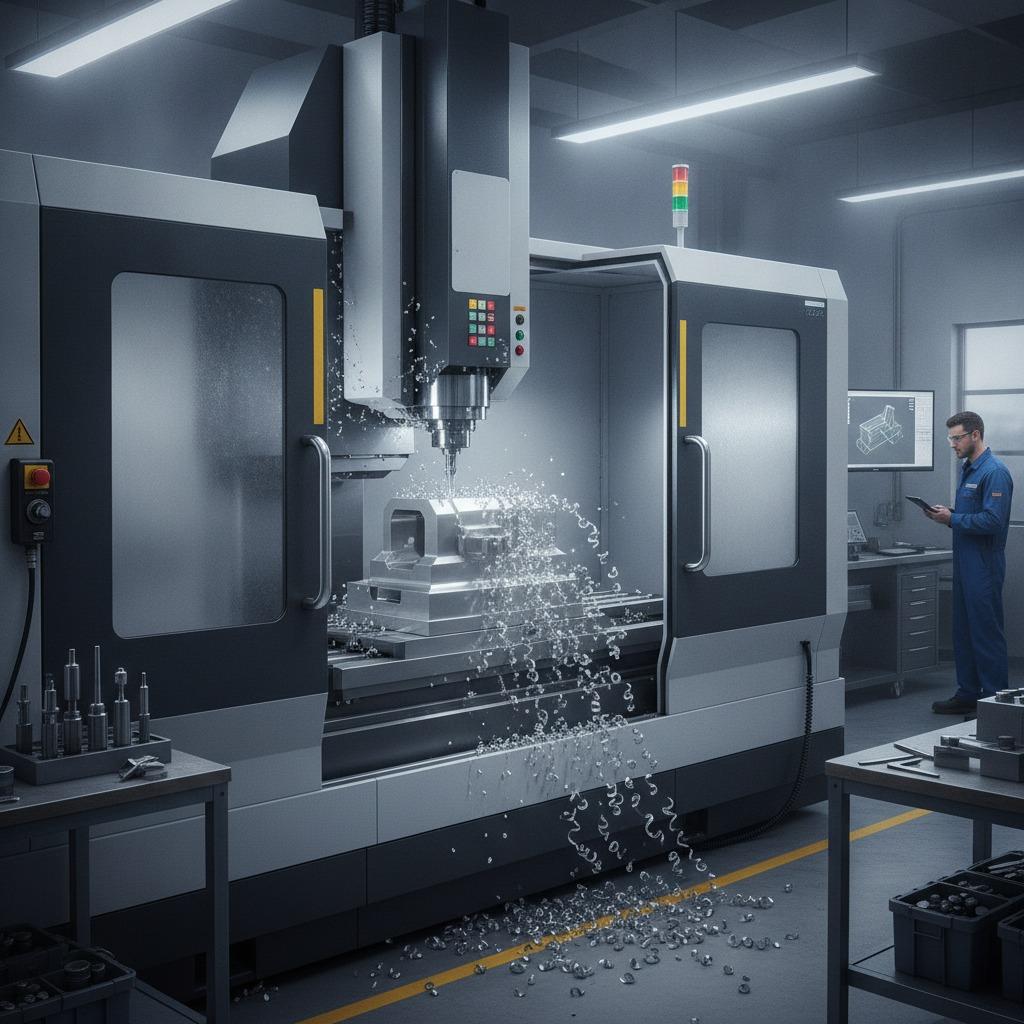
When it comes to CNC machining service China, the benefits are undeniable. China has established itself as a global hub for high-quality manufacturing due to its vast expertise, state-of-the-art facilities, and cost-effective solutions. Our CNC machining service China operations utilize cutting-edge equipment to fabricate OEM CNC aluminum parts with tolerances as tight as ±0.01mm. This precision is crucial for applications in aerospace, automotive, and electronics sectors. Moreover, the scalability of these services allows for rapid turnaround times without compromising on quality. By leveraging CNC machining service China, businesses can reduce lead times and overhead costs, making it an ideal choice for international projects.
Choosing a Reliable Custom Machined Parts Manufacturer
Selecting the right custom machined parts manufacturer is key to successful production. A reputable custom machined parts manufacturer focuses on material expertise, especially with aluminum, which is lightweight yet strong, corrosion-resistant, and highly machinable. Our role as a custom machined parts manufacturer ensures that every OEM CNC aluminum part undergoes rigorous quality checks, including dimensional verification and surface finishing options like anodizing or powder coating. We prioritize customization to fit unique designs, whether it's complex geometries or intricate features. Partnering with a trusted custom machined parts manufacturer like ours guarantees compliance with international standards such as ISO 9001, fostering long-term reliability.
Applications and Future Trends in OEM CNC Aluminum Parts
OEM CNC aluminum parts find applications across diverse industries, from medical devices requiring sterile precision to consumer electronics demanding sleek finishes. The integration of CNC machining service China has revolutionized how these parts are produced, enabling just-in-time manufacturing and reducing waste through efficient processes. Looking ahead, trends like additive manufacturing hybrids and sustainable practices are enhancing the appeal of custom machined parts manufacturer services. As demand grows for eco-friendly aluminum alloys, our commitment to innovation ensures that OEM CNC aluminum parts remain at the forefront of technological advancement. Businesses investing in these solutions not only gain superior performance but also a competitive edge in their markets.
Why Partner with Us for Your Machining Needs
In summary, OEM CNC aluminum parts represent the pinnacle of precision engineering, supported by expert CNC machining service China and dedicated custom machined parts manufacturer capabilities. With over a decade of experience, we deliver tailored solutions that align with your project's goals, ensuring efficiency and excellence. Contact us today to discuss how we can bring your designs to life with unmatched quality and service.