Nylon Insert Lock Nut: what it solves and why buyers still specify it
A Nylon Insert Lock Nut is one of those plain-looking fasteners that earns its keep in vibration-prone assemblies. Engineers choose it when a standard hex nut may loosen under repeated motion, thermal cycling, or everyday machine chatter. For sourcing teams, the real question is not whether the part works in principle; it is whether the chosen design, material, and supply route fit the application without creating an avoidable weak point later.
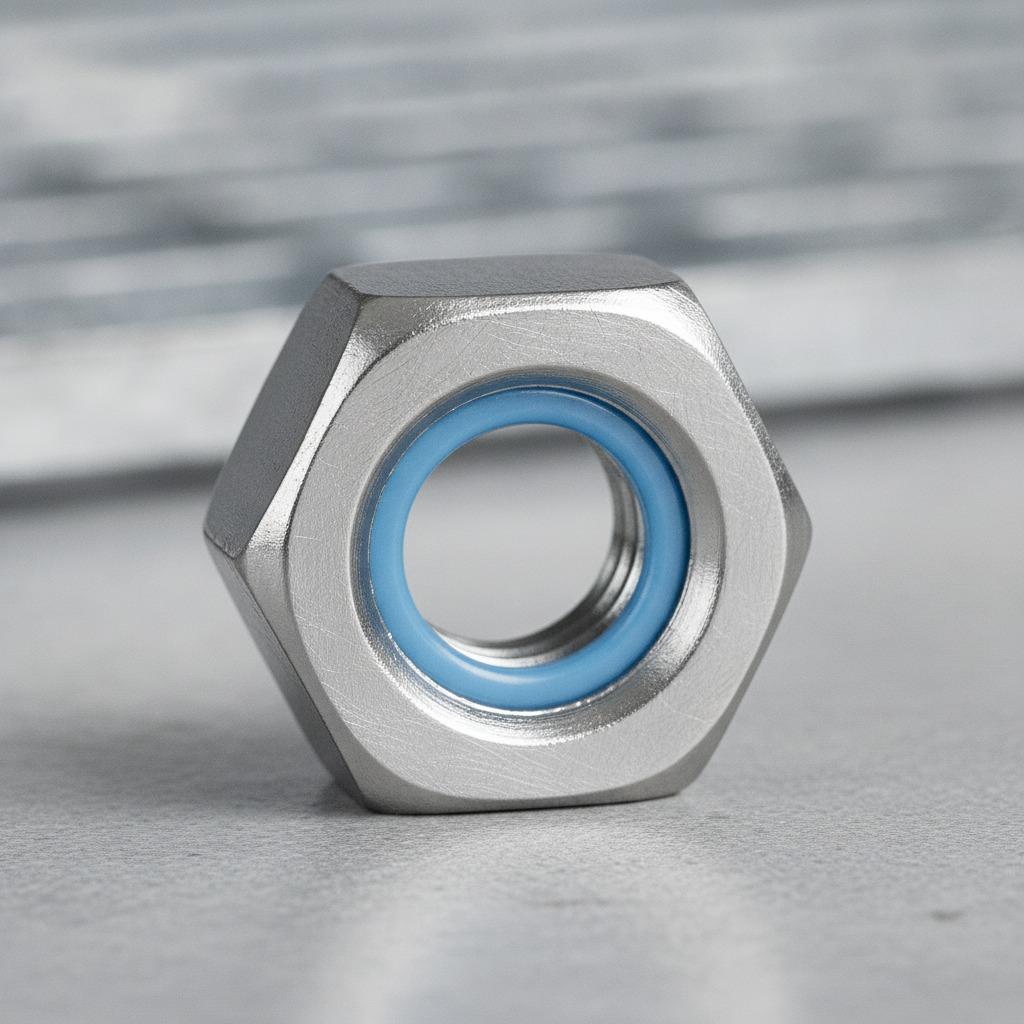
The appeal is straightforward. The nylon collar adds resistance as the bolt threads pass through it, helping maintain clamp load after installation. That makes the nut useful in equipment frames, electrical enclosures, automotive subassemblies, appliances, and general machinery. It is not a cure-all, though. Heat, chemical exposure, and improper reuse can all change how well it performs, so the buyer’s job is to match the fastener to the environment instead of treating it like a universal fix.
How a nylon insert lock nut works in practice
The locking action comes from a nylon ring, usually seated near the top of the nut, that deforms around the mating threads. That deformation creates prevailing torque. In plain terms, the nut resists spinning off even when vibration tries to work it loose. The benefit is easy to appreciate on a production line and even easier to appreciate after the equipment has been in service for a while.
There is a catch worth remembering: because the locking feature depends on the insert, repeated removal and reinstallation can reduce effectiveness. Some applications tolerate reuse; others do not. Buyers often overlook this until maintenance teams report inconsistent feel during assembly. If the joint is safety-critical or service-heavy, it is better to define replacement intervals early rather than assume the same nut can be cycled indefinitely.
What buyers compare before placing an order
When comparing options, most teams start with thread size and the base nut geometry, then move to material, plating, and application temperature. Those basics sound obvious, but small mismatches cause the most trouble. A nut that looks correct on paper may behave differently once it sees heat, exposure, or high assembly torque.
Material and finish
Common choices vary by application, but the buyer should confirm whether the nut needs corrosion resistance, higher mechanical strength, or a specific surface finish for appearance or conductivity. In some assemblies, the finish matters as much as the locking feature because contact surfaces and environmental exposure can affect long-term reliability. A Nylon Nut Manufacturer may offer multiple variants, but the selection still needs to be driven by the end use rather than catalog convenience.
Temperature and chemical limits
Nylon inserts are not ideal for every hot or chemically aggressive environment. Elevated temperatures can soften the insert and reduce locking performance, while certain fluids may attack either the metal body or the polymer component. That does not mean the part is unsuitable for industrial use; it means the application window should be checked early, especially when equipment sits near engines, heaters, or process chemicals.
Common mistakes that create field problems
One frequent mistake is treating a nylon insert lock nut as interchangeable with every other prevailing-torque fastener. Another is specifying it without considering assembly method. Over-torquing can damage threads or distort the insert, while under-torquing leaves the joint short of clamp load even if the nut feels “tight enough.” Both errors show up later as complaints about loosening, leakage, rattling, or cosmetic defects.
Another practical issue is storage. Fasteners exposed to heat or poor warehouse conditions may not arrive at the line in the same condition they had when packed. It is not glamorous advice, but inventory handling matters. In low-margin programs, a fastener problem that starts in the storeroom can look like an engineering issue by the time it reaches the customer.
Quick buyer checklist before sourcing
If you are narrowing down supply options, ask for the basics: compatible thread specification, material grade, finish, temperature guidance, and reuse expectations. If the application is vibration-heavy, ask how the locking feature is expected to behave over the life of the assembly. For recurring programs, ask whether the supplier can support consistent lots and clear documentation. That last point sounds administrative, but it often decides whether production stays calm or turns into a phone call every quarter.
Choosing the right locking nut for the application
The best choice is usually the simplest one that satisfies the load, environment, and service requirements. A Nylon Insert Lock Nut is a strong candidate for general vibration resistance, but it should be selected with the assembly conditions in mind. If the joint runs hot, sees aggressive chemicals, or must be reused frequently, the design review should go one step further before purchase. That small pause often prevents expensive changes later.
For sourcing managers and product teams, the takeaway is practical: define the duty cycle, confirm the environment, and make sure the fastening strategy aligns with maintenance reality. That is usually where good programs are won.
Next step for buyers and engineers
If you are evaluating a Nylon Insert Lock Nut for an existing assembly or a new product launch, start with the application data you already have: load, vibration, temperature, and service access. Then compare those requirements against the supplier’s available options and ask for the variant that fits the job instead of the nearest catalog match. A careful spec at the start is usually cheaper than a field fix later.