Welcome to our website
logo

CNC Machining Part: Precision Solutions for Modern Manufacturing

  • cnc machining parts
Posted by JINGLE On May 12 2026

Understanding CNC Machining Parts: Precision in Modern Manufacturing


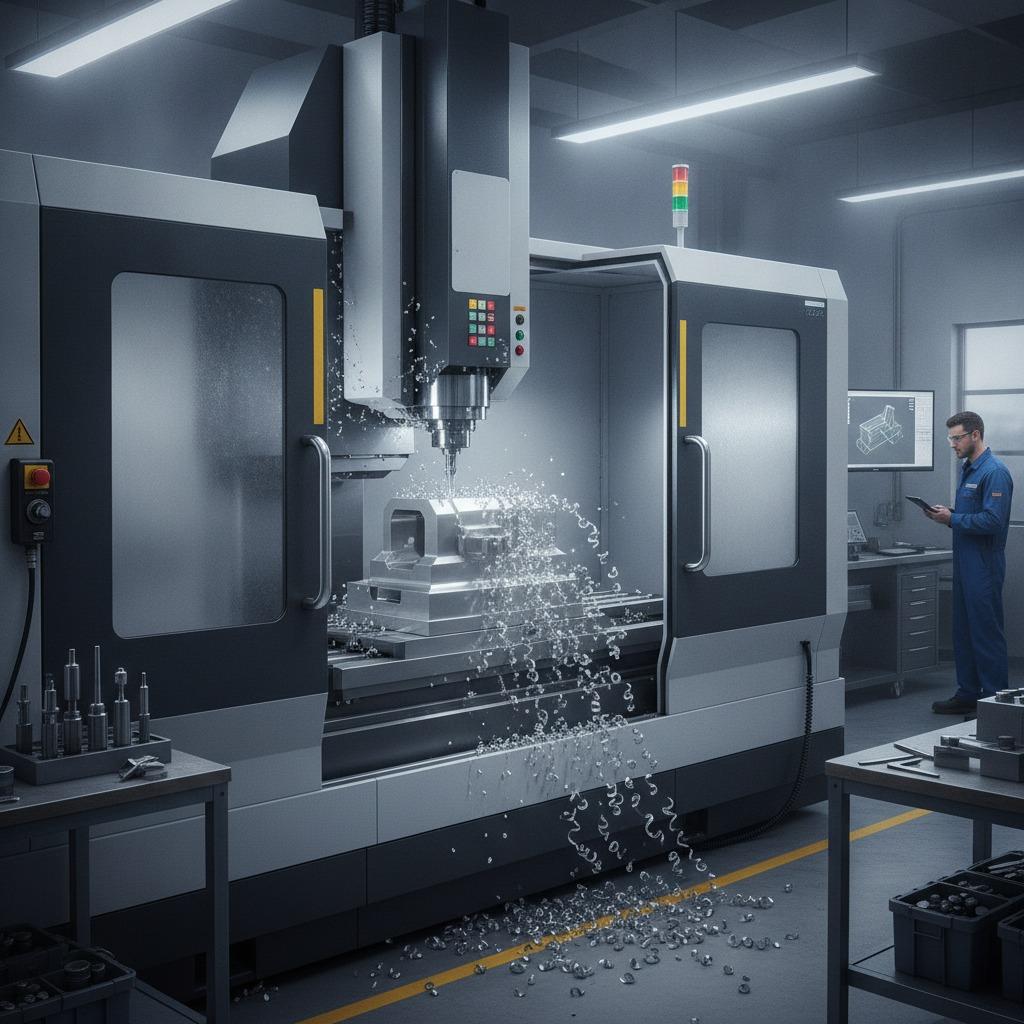
CNC machining part refers to components produced using Computer Numerical Control technology, a cornerstone of precision engineering. This process involves automated machinery guided by computer programs to shape materials like metals, plastics, and composites into intricate designs. In industries ranging from aerospace to automotive, a high-quality CNC machining part ensures functionality and reliability. The beauty of this method lies in its ability to replicate complex geometries with minimal human error, making it indispensable for prototyping and large-scale production.
lifting socket

The Intricacies of Creating a CNC Machining Part


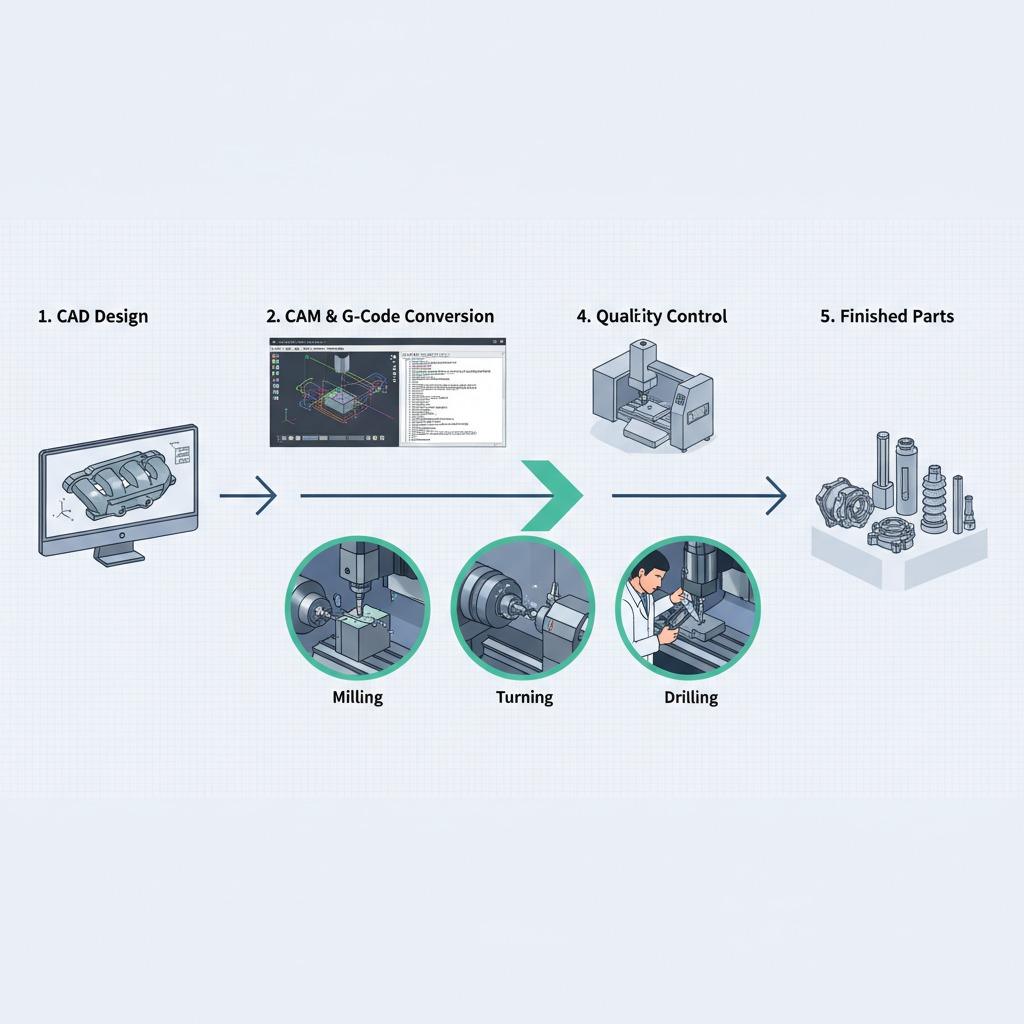
The journey to fabricate a CNC machining part begins with detailed design using CAD software, where engineers specify dimensions and tolerances. Once the digital model is ready, it's converted into G-code instructions for the CNC machine. Milling, turning, and drilling operations follow, with tools precisely removing material from a workpiece. For instance, in producing a CNC machining part for medical devices, tolerances as tight as 0.001 inches are common to meet stringent safety standards. Quality control, including inspections with calipers and CMMs, ensures each part adheres to specifications, reducing waste and enhancing efficiency.

Advantages of Using CNC Machining Parts in Your Projects


Opting for CNC machining parts offers unparalleled accuracy and repeatability, far surpassing traditional manual methods. These parts exhibit superior surface finishes, often requiring no additional post-processing, which saves time and costs. Versatility is another key benefit; whether you're crafting lightweight aluminum components for drones or durable steel gears for machinery, CNC technology adapts seamlessly. Moreover, the scalability allows for small batch runs or high-volume orders without compromising quality. In today's competitive market, integrating CNC machining parts into your supply chain can accelerate innovation and improve product performance.

Applications and Future Trends in CNC Machining Parts


CNC machining parts find applications across diverse sectors. In the automotive industry, they form engine components and custom brackets, enhancing vehicle efficiency. Aerospace relies on them for turbine blades and structural elements that withstand extreme conditions. Even consumer electronics benefit from precise CNC machining parts in housings and connectors. Looking ahead, advancements like AI integration and multi-axis machines promise even greater precision and speed. As sustainability drives manufacturing, expect more eco-friendly practices, such as using recycled materials in CNC machining parts. Embracing this technology positions businesses at the forefront of industrial evolution, delivering parts that meet evolving demands.
Featured Blogs

Tag:

  • CNC Machining parts
Share On
Featured Blogs
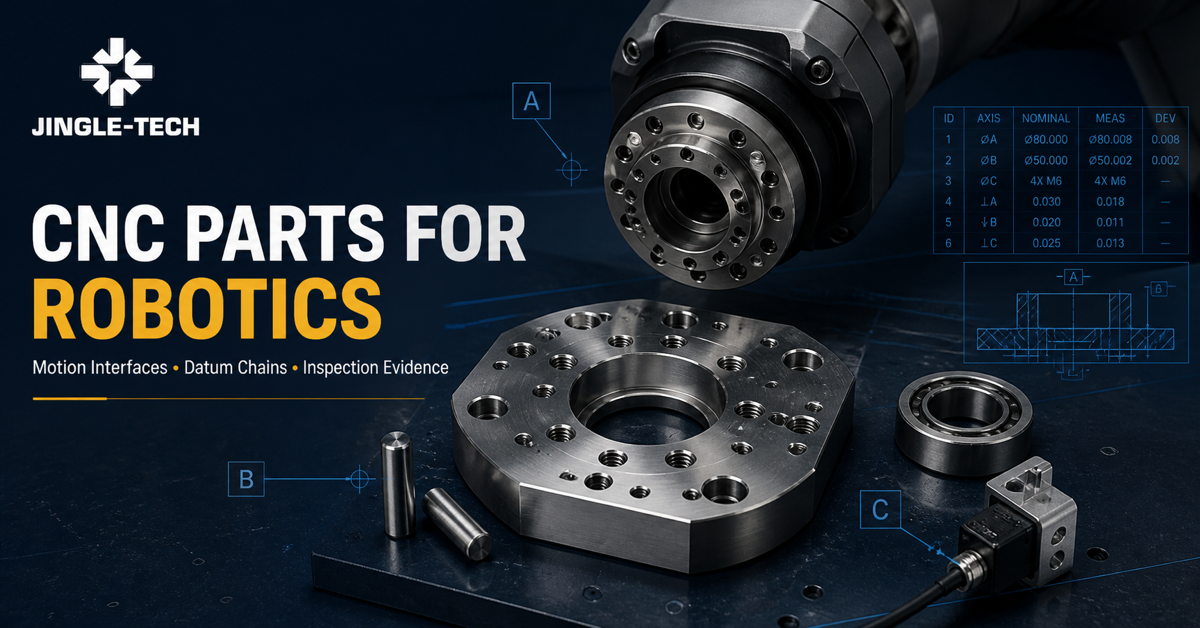
CNC Parts for Robotics: Motion Interfaces, Datum Chains and Inspection Evidence

CNC Parts for Robotics: Motion Interfaces, Datum Chains and Inspection Evidence

A buyer-side guide to sourcing joint shafts, hubs, bearing housings, actuator and encoder mounts, locating interfaces and end-effector plates by controlling datum chains, fixturing, inspection methods, measurement uncertainty and RFQ evidence.

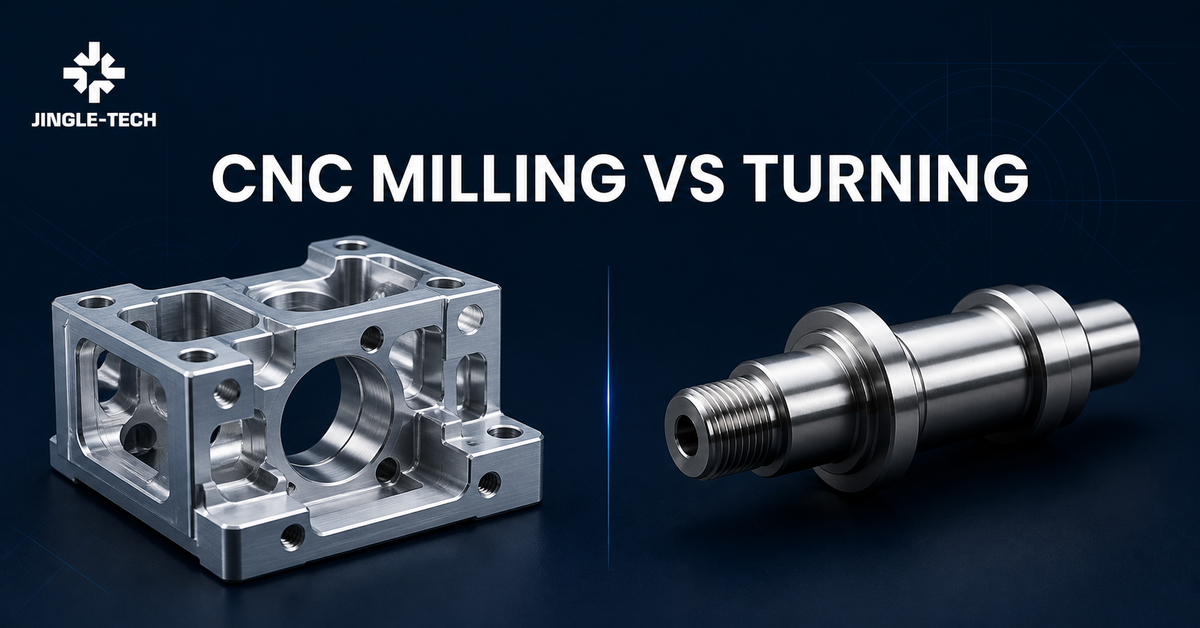
CNC Milling vs Turning: Choose the Right Process from Part Geometry and Datum Strategy

CNC Milling vs Turning: Choose the Right Process from Part Geometry and Datum Strategy

A buyer-side guide to choosing milling, turning, or a mixed route from functional geometry and datum strategy. It explains secondary operations, turn-mill boundaries, material and fixture effects, tolerances, inspection, total cost, supplier questions, and the RFQ evidence needed for a comparable OEM quotation.

How to Read a CNC Machining Quote: Cost Breakdown, DFM, and Buyer Controls

How to Read a CNC Machining Quote: Cost Breakdown, DFM, and Buyer Controls

A practical B2B guide to reading CNC machining quotes without relying on a single hourly rate. It shows OEM buyers how to normalize material, programming, setup, machining, finishing, inspection, documentation, packaging and commercial assumptions; build a cautious should-cost model; control DFM changes; and send an RFQ that produces comparable offers.

CNC Machining Part Guide: What Buyers Should Know

CNC Machining Part Guide: What Buyers Should Know

1. Why a CNC Machining Part Is Never Just “a Part” 2. What Buyers Usually Need to Decide First 3. How CNC Machining Supports Different Part Types 4. Selection Criteria That Actually Matter 5. Common Mistakes Buyers Make 6. Practical Buyer Advice Before You Order 7. FAQ: Quick Answers for Sourcing Teams 8. What a Good Next Step Looks Like

Non-standard Customized Hardware Parts: When Custom Is the Right Choice

Non-standard Customized Hardware Parts: When Custom Is the Right Choice

1. Why Non-standard Customized Hardware Parts Matter in Real Production 2. What Counts as a Custom Hardware Part? 3. Why Engineers Specify Custom Instead of Standard 4. Typical Manufacturing Routes and What They Suit 5. Selection Criteria Buyers Should Actually Check 6. Common Mistakes That Create Delays 7. How to Choose the Right Supplier 8. Practical Takeaway for Engineering and Procurement 9. FAQ

Non-standard Parts: What Buyers Should Know Before Ordering

Non-standard Parts: What Buyers Should Know Before Ordering

1. Why non-standard parts matter more than many teams admit 2. What buyers are really comparing 3. Common types of non-standard parts in manufacturing 4. Selection criteria that save trouble later 5. Common mistakes buyers still make 6. Practical buyer advice before you place the order 7. FAQ: quick answers for sourcing and engineering teams 8. Next step for a better buying decision