Which Nut Works Best? A Practical Guide to Wing, Hex, and Locking Nuts
In both everyday tools and large industrial systems, using the right type of nut is critical. Different nuts are designed not just for holding things together—but for doing sounder specific conditionslike frequent adjustments, high torque, or constant vibration.
This guide breaks down three commonly used fastener types:wing nuts, hex nuts, and locking nuts—and helps you decide when and why to use each.
Wing Nuts: Perfect for Quick Manual Assembly
Wing nuts are ideal for situations where parts need to be adjusted or removed frequently, and whereno tools are available. With their wing-like protrusions, they’re easy to grip and twist by hand.
Common Applications:
-
Adjustable lighting standsandtripods
-
DIY shelving unitsorexhibit displays
-
Temporary outdoor fixtureslike fencing or signage
Their appeal lies in convenience. If your customers are hobbyists, event planners, or equipment renters, having a reliable supply of wing nuts—especially in stainless steel or zinc-plated finish—ensures faster builds and fewer complaints.
At Jingle, we providenut custom partsand kits for retailers and manufacturers who need wing nuts in tailored sizes or with branded packaging.
Hex Nuts: The All-Rounder for Structural Reliability
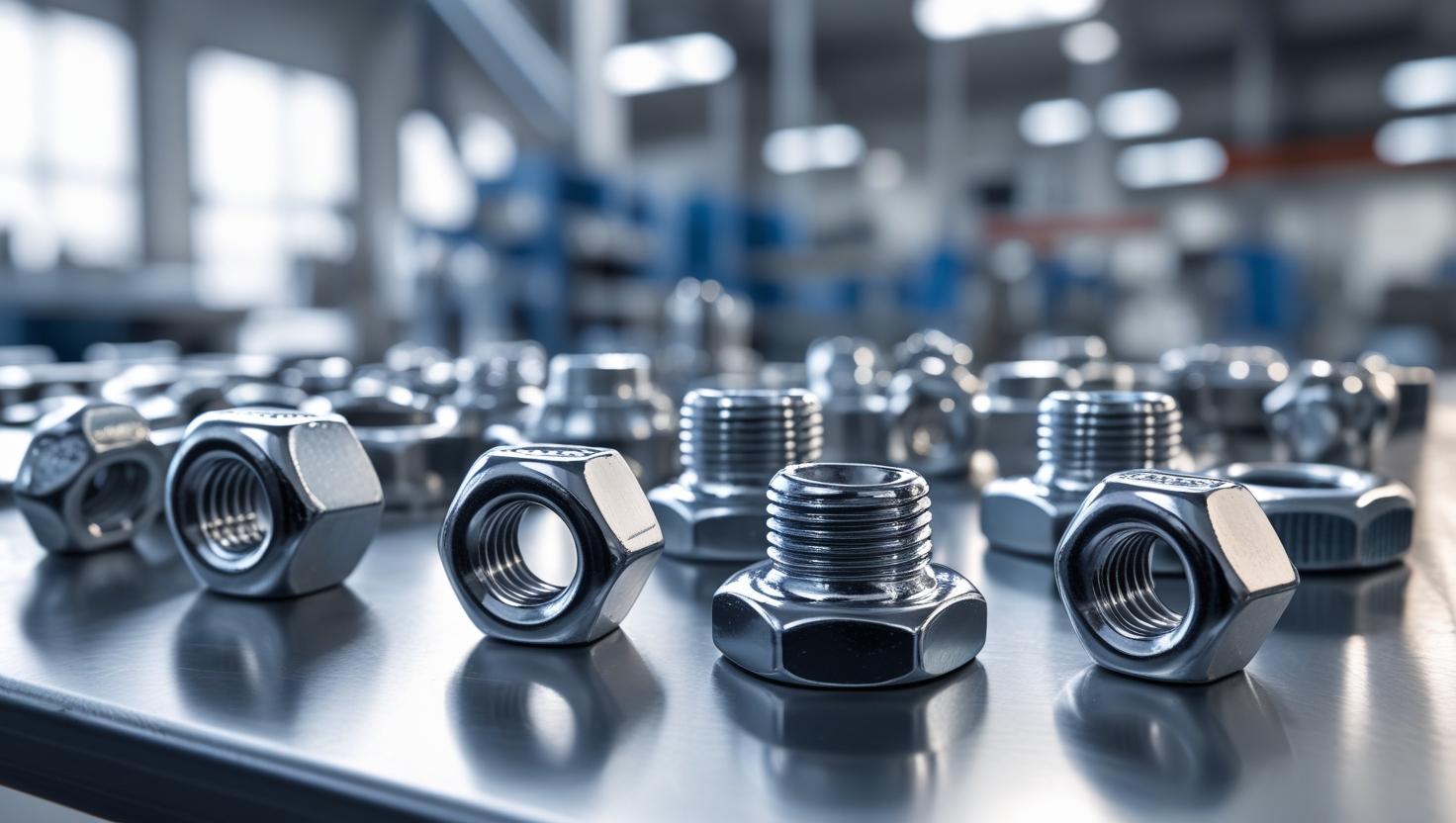
Hex nuts are the most widely used due to their compatibility with wrenches and standard bolts. With six sides, they offer reliable grip and distribute force evenly during tightening.
Common Applications:
-
Steel structuresin construction
-
Automotive assemblieslike brake systems
-
Mechanical equipmentlike HVAC or conveyor units
For procurement teams, anut wholesale supplieroffering ISO-certified carbon steel or stainless hex nuts means peace of mind—especially when dealing with infrastructure projects or mass production. Jingle delivers this consistency, with quality reports and RoHS/REACH compliance available on request.
Locking Nuts: When You Can’t Afford Loosening
In high-vibration environments, regular nuts risk loosening over time. That’s where locking nuts come in. These nuts usemechanical interference or nylon insertsto resist back-off without needing external lock washers.
Common Applications:
-
Wind turbines and solar panels
-
Railway equipmentorindustrial engines
-
Heavy vibration zonesin mining or marine systems
If you're sourcing for energy or transportation projects, locking nuts are non-negotiable. Jingle supplies bothlocking nuts and matching washers, with materials tested for tensile strength, temperature resistance, and corrosion protection.
Factors to Consider When Choosing Nuts
| Factor | Recommendation |
|---|---|
| Tool access | Wing nuts for hand use; hex for tool-based assembly |
| Environment | Stainless steel or zinc plating for corrosion zones |
| Vibration risk | Locking nuts or paired spring washers |
| Assembly frequency | Wing nuts or hex nuts with split pins |
| Volume needs | Go with bulk kits or OEM packages for large installs |
Choosing the right nut improvesinstallation speed,maintenance costs, andsafety. That’s why supply chain teams value working with reliable partners who provide not just the parts, but also technical guidance.
Why Industrial Buyers Choose Jingle for Nut Supply
Jingle isn’t just a parts supplier—we support customers with:
-
OEM nut kitstailored by industry
-
Bulk export solutions with neutral packaging, English labels, and origin certificates
-
Materials from verified steel sources with full testing
-
Inventory flexibility for both custom projects and long-term contracts
Whether you're building solar racking systems, retailing repair kits, or managing factory MRO needs, we help simplify your sourcing process while maintaining quality and delivery consistency.
To explore our full range of hex nuts, wing nuts, locking nuts, or request a customized quote, visitour homepageorcontact ustoday.