Quick answer for buyers
Wedge anchors, sleeve anchors and drop-in anchors are not interchangeable just because all three are used for concrete fixing. Compare the base material, fixture thickness, hole and embedment requirements, edge distance, installation access, removability, material, finish and documentation before selecting an item. A concrete anchor manufacturer should receive the fixing drawing or a complete size schedule before confirming that a catalogue model is suitable.
JingleFix supplies concrete fixing programs for construction fastener distributors, equipment manufacturers, installers and project purchasing teams. Review the JingleFix fasteners product category and send the requested anchor family, drawing and installation basis for a technical quotation.
Public product records list stainless steel wedge anchors, carbon-steel sleeve anchors and carbon-steel drop-in anchors in common metric sizes, with customization subject to technical review. Exact size, material, finish, load basis and packing must be agreed on the controlled product information.Request a concrete anchor selection review
Why anchor type matters
A mechanical anchor transfers force from a fixture into a base material through expansion, friction, bearing or a combination of those effects. The anchor type determines how the hole is prepared, how the expansion is created and how the item behaves during installation. The same diameter can produce a different result when the anchor length, embedment, concrete condition or installation method changes.
The first buying question is not “Which anchor is strongest?” It is “Which anchor system fits the base material, fixture and installation method defined by the project?” For a suitable concrete or solid stone base, a wedge anchor may be reviewed for through-fixing. A sleeve anchor may be useful when an assembled unit and expansion sleeve are preferred. A drop-in anchor may suit a flush internal anchor that accepts a separate bolt, but it requires the correct hole, embedment and setting procedure.
Never choose a mechanical anchor for hollow block, brick or cracked concrete by assuming that an item approved for another base will behave the same way. Ask for the product data and the project requirement.
Wedge anchor, sleeve anchor and drop in anchor compared
| Anchor type | Basic installation concept | Buyer should confirm |
|---|---|---|
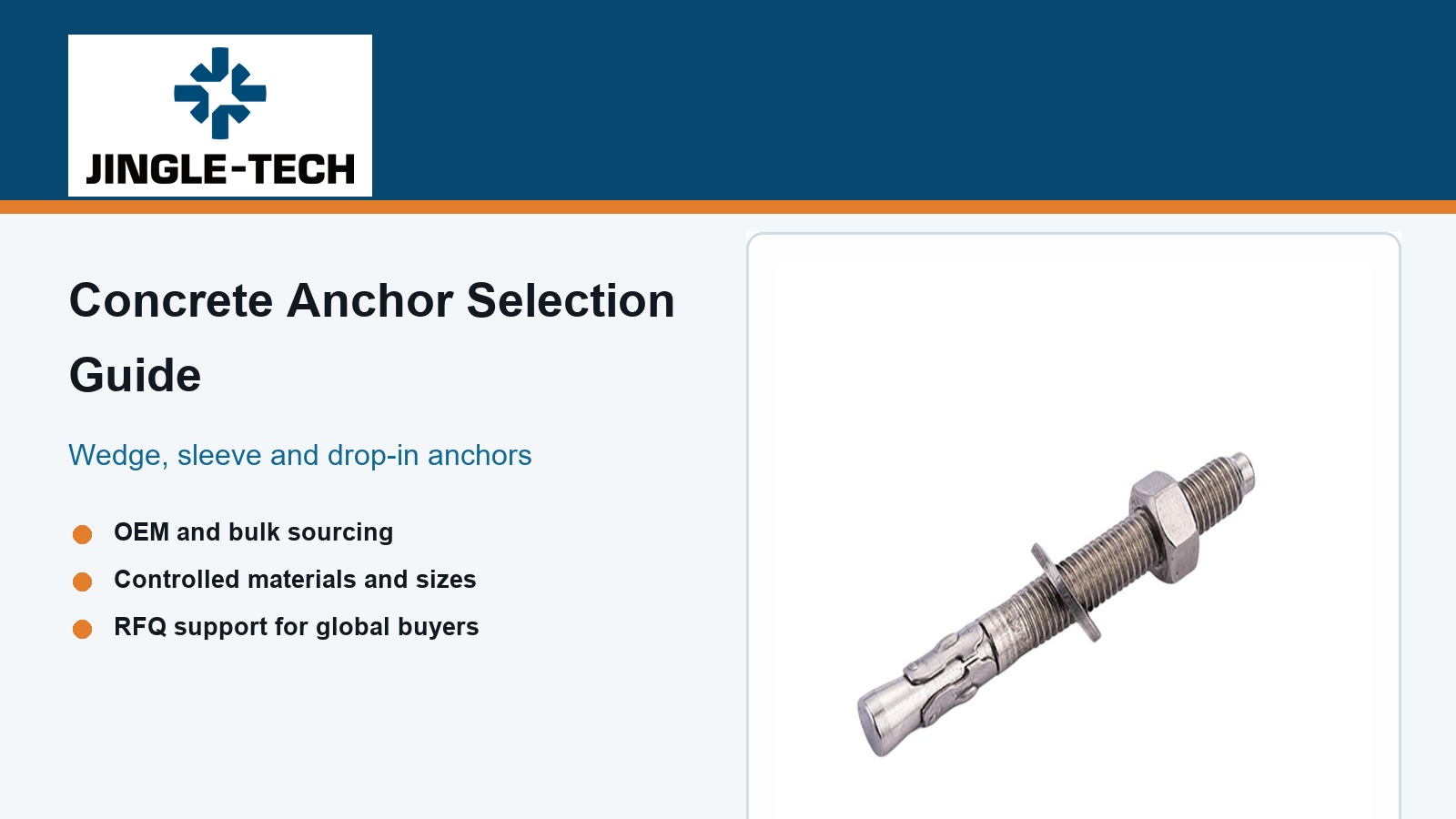
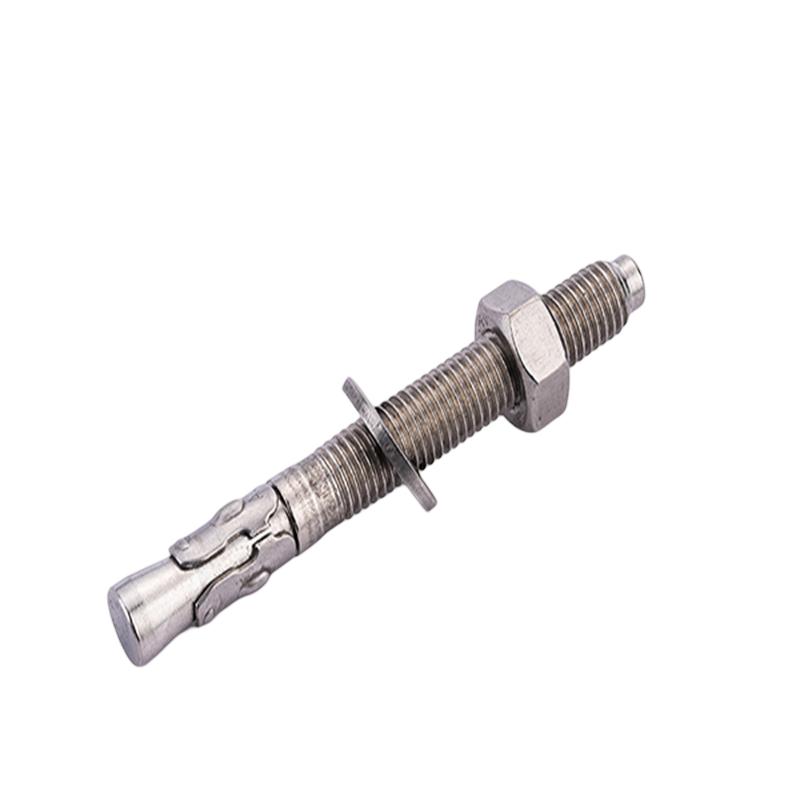
| Wedge anchor | Through-anchor with an expansion clip near the embedded end; tightening the nut draws the anchor and expands the clip against the hole wall. | Concrete or solid stone, embedment, edge distance, hole diameter, fixture thickness, thread and tightening requirement. |
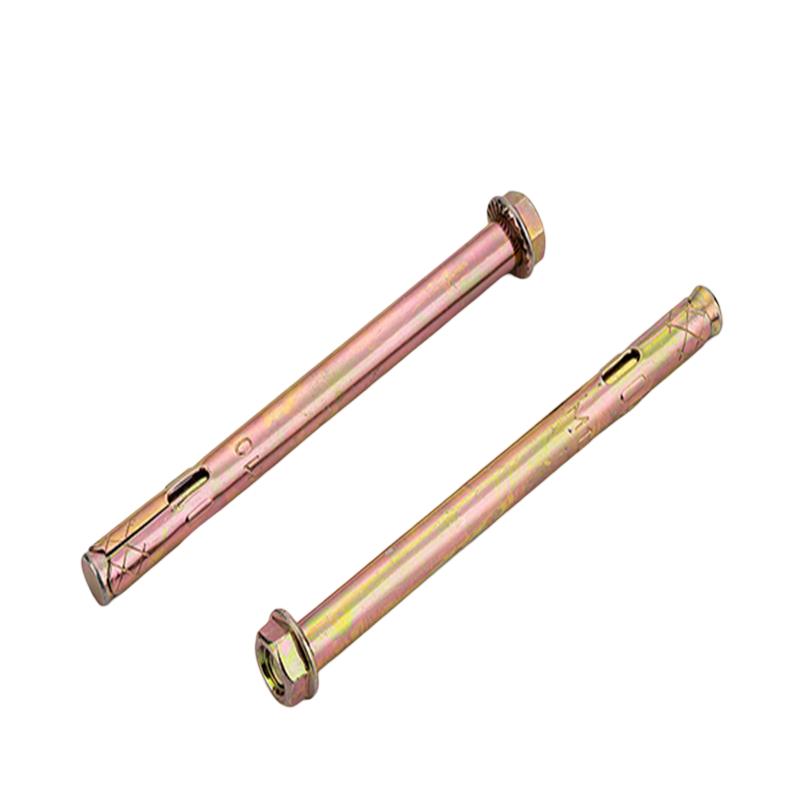
| Sleeve anchor | Assembled anchor with a sleeve that expands as the threaded component is tightened. | Base material, sleeve length, fixture thickness, hole and embedment, nut or head style and installation tool. |
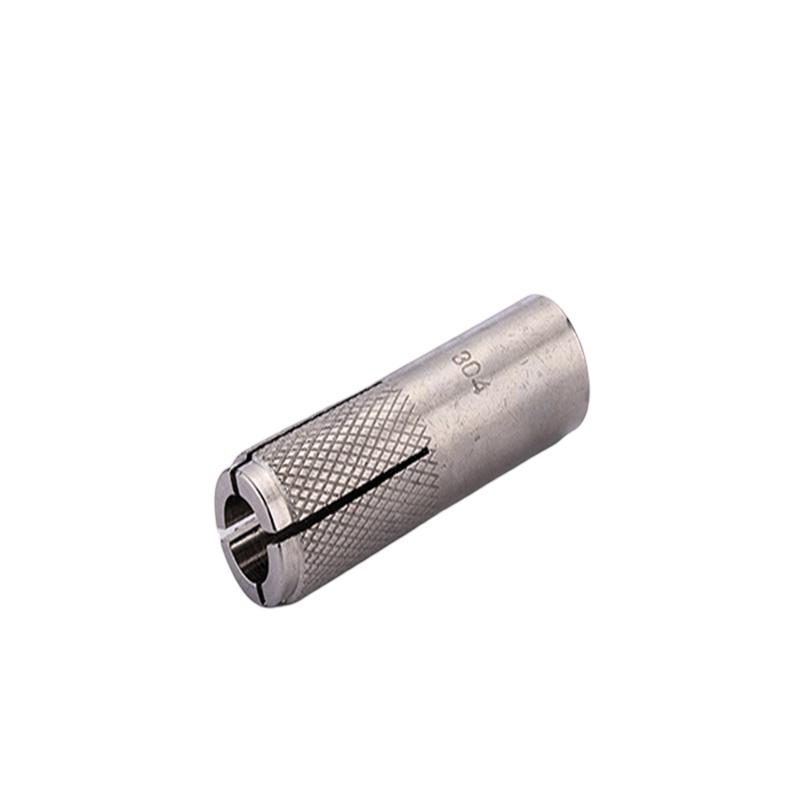
| Drop in anchor | Internal anchor placed in a drilled hole and expanded with a setting tool before a separate bolt or threaded rod is installed. | Hole depth, setting tool, internal thread, bolt engagement, concrete condition and future service method. |
The table is a selection starting point. The project engineer or responsible installer must check the actual design basis, especially for structural, seismic, fire, overhead or safety-critical connections.
When a wedge anchor is considered
A wedge anchor is commonly considered for a fixture that can be placed over a drilled hole and secured with a washer and nut. The assembly is visible and accessible during tightening. JingleFix public information describes stainless steel 304 or 316 and carbon-steel variants, metric and UNC or UNF thread options, diameters from M6 to M24 or 1/4 inch to 1 inch, and typical lengths from 40 mm to 300 mm, subject to confirmation.
The anchor cannot be specified by thread diameter alone. The buyer should state the fixture thickness, required embedment, base material, concrete strength, hole and edge conditions. The thread left above the fixture also matters because the nut needs enough engagement without leaving an impractical excess.
Wedge anchors are generally a poor assumption for hollow-wall or weak block applications. Where cracked concrete, seismic performance, fire exposure or a regulated structural connection is involved, send the named approval, test method or project specification for review before ordering.
When a sleeve anchor is considered
A sleeve anchor is supplied as an assembled unit with an expansion sleeve around the body. It can be convenient for installers because the components arrive together and the assembly can be tightened through the fixture. Public JingleFix product information lists carbon steel, yellow zinc plated or zinc plated finishes, common M6 to M16 sizes and customized sleeve length subject to review.
Because the sleeve length and expansion position affect the installation, the buyer should provide the fixture thickness and required embedment. A sleeve anchor that is too short may not reach the required base engagement. One that is too long may leave unnecessary projection or change the installation plan. The hole diameter and cleaning method should follow the product instruction.
For distributors, assembled packaging can reduce the risk of matching separate nuts and sleeves. It is still useful to check the item marking, size label, finish, quantity per pack and carton identification so similar anchors are not mixed in stock.
When a drop in anchor is considered
A drop-in anchor is installed inside a drilled hole and normally receives a separate bolt or threaded rod. This can be useful when the fixture is installed later or when a flush internal anchor is preferred. The anchor body must be set to the correct depth with the specified tool before the threaded component is loaded.
JingleFix public product information lists carbon steel, zinc plated finish, common M6 to M16 sizes, custom tube length and OEM or ODM customization for shell length, knurling pattern and embossed size marking. The buyer should still confirm the internal thread, bolt engagement, hole diameter, embedment, setting tool and base material.
A drop-in anchor is not simply a shorter wedge anchor. It depends on the setting operation and on the connection between the anchor thread and the bolt or rod. If the setting tool is missing or the operator cannot verify the set condition, the project should address that risk before bulk installation.
Base material comes before anchor brand
Write the base material in the RFQ. “Concrete” should be expanded where it changes the design basis: normal-weight or lightweight concrete, solid stone, cracked or uncracked condition, strength class, age at installation, moisture and whether the hole is near an edge. A mechanical anchor may have a product range that looks broad, but the applicable value is limited by the tested and approved conditions.
Do not carry a concrete value into brick, hollow block, masonry or a filled cavity without a separate evaluation. The load path, expansion behavior and failure modes change. If the fixture is mounted to a substrate that is not listed in the product information, send the exact substrate and application to the engineering reviewer.
For an outdoor or wet installation, include the service environment, chemical contact, salt air, wash-down and expected maintenance. A zinc-plated carbon-steel item and a 304 or 316 stainless item are different order lines. Put material grade and finish on the purchase order instead of relying on a product name.
Embedment, edge distance and spacing
Anchor performance is linked to the concrete around the anchor. Embedment is the depth that develops the intended mechanism. Edge distance is the distance from the anchor to the concrete edge. Spacing is the distance between anchors. If any of these are reduced, concrete breakout or splitting may control before the metal reaches its expected strength.
| Input | Why it matters | RFQ evidence |
|---|---|---|
| Concrete strength and condition | Controls the base material response and design basis. | Project specification, strength class and installation age. |
| Embedment | Controls expansion and load transfer into the base. | Drawing, required depth and hole depth. |
| Edge distance | May control breakout, splitting or reduced capacity. | Fixture drawing with edge dimensions. |
| Anchor spacing | Nearby anchors can interact through the concrete. | Layout and group geometry. |
| Fixture thickness | Determines the needed anchor length and thread projection. | Fixture drawing and tolerance. |
| Load direction | Tension, shear, combined or overhead service have different checks. | Design load direction and approval basis. |
When a supplier asks for these details, it is not unnecessary paperwork. It is the information needed to avoid a quotation that appears precise but cannot be connected to the installation.
Installation differences buyers should plan
Wedge anchor installation
For a wedge anchor, the installer normally drills the specified hole, cleans the hole, inserts the assembled anchor through the fixture and tightens the nut to the specified requirement. The actual sequence, hole size and tightening requirement must follow the approved product information. Do not use a random bit or assume that a visual tightening check is enough for a controlled project.
Sleeve anchor installation
A sleeve anchor is also sensitive to hole diameter, depth, cleaning and tightening. The installer needs enough access for the nut or head and should confirm that the sleeve is seated in the required base. Mixed sleeve lengths should be separated and labelled so the wrong length is not installed in a different fixture.
Drop in anchor installation
A drop-in anchor adds a setting step. The hole is drilled and cleaned, the internal anchor is positioned, and the specified setting tool is used to expand it. The installer then fits the bolt or rod with the correct engagement. Tool control and operator training are part of the product system.
Material and corrosion decisions
Material and finish should be selected from the exposure and the project documentation. JingleFix lists plain, zinc plated, hot-dip galvanized or mechanically galvanized finishes for applicable wedge anchor variants, subject to material. Sleeve and drop-in product records list coated carbon-steel programs. A stainless wedge anchor is not a direct visual substitute for a galvanized carbon-steel anchor.
For indoor dry service, a coated carbon-steel item may be reviewed when the project permits it. For outdoor or wet service, the buyer should compare grade, coating, exposure, installation damage and maintenance. For coastal or chemical conditions, state the contaminant and cleaning process. Ask the supplier to identify the exact test method and specimen scope rather than presenting “rust proof” as a technical requirement.
Keep material, grade and finish separate on the PO. This helps the receiving inspector distinguish 304 from 316, stainless from carbon steel and plain from coated versions.
How to select by project situation
| Project situation | Selection discussion | Information still needed |
|---|---|---|
| Base plate over suitable concrete | Wedge or sleeve anchor may be reviewed for through-fixing. | Plate thickness, hole layout, embedment, edge and load direction. |
| Later-installed threaded fixing | Drop-in anchor may be considered if the setting tool and internal thread suit the design. | Bolt engagement, hole depth, tool, load and service access. |
| Outdoor equipment bracket | Compare anchor type with material and finish for the exposure. | Moisture, salt, chemical contact, maintenance and project documents. |
| Distributor stock program | Choose repeatable size families and clear assembled packaging. | Size ladder, pack count, labels, barcode, MOQ and replenishment plan. |
| Structural or safety-critical fixture | Use only the specified system and approval basis. | Named standard, design loads, test or approval and engineer sign-off. |
Quality checks for a concrete anchor supplier
A useful concrete anchor supplier can identify the item by size, material, finish and lot. Ask what is checked on incoming material, forming, threads, expansion components, coating, assembly and packing. The inspection record should identify the product and batch it covers.
For wedge anchors, discuss diameter, length, thread, clip position, nut and washer, material and finish. For sleeve anchors, add sleeve length, slit or expansion form and assembled components. For drop-in anchors, add shell length, internal thread, marking and setting-tool compatibility. The right checklist is product-specific.
Pull-out or proof-load testing should be connected to the specimen, base material, embedment, fixture, test direction and acceptance limit. A single test report does not prove every size, material, supplier or batch. Ask for the scope of the document and whether a project-specific test or approval is required.
RFQ checklist for wedge, sleeve or drop in anchors
- Anchor family and product reference.
- Base material, strength, age and cracked or uncracked condition.
- Diameter, length, thread series and pitch or thread-per-inch.
- Fixture thickness and required thread projection.
- Required embedment, hole diameter and hole depth.
- Edge distance, anchor spacing and group layout.
- Load direction, design load and any safety or approval basis.
- Installation tool, tightening value, cleaning method and access.
- Material grade and surface finish for every component.
- Required nuts, washers, bolts, rods, setting tools or accessories.
- Inspection, test, certificate and traceability requirements.
- Pack count, label, barcode, carton mark and pallet plan.
- Quantity by size, sample request, destination and required date.
If the project information is incomplete, label the missing field instead of guessing. A supplier can quote a provisional item, but the commercial offer should state what remains to be confirmed before production or installation.
Common buying mistakes
Comparing diameter only
Two anchors with the same diameter can have different lengths, expansion mechanisms, materials, embedment and installation requirements. Compare the complete line item.
Replacing stainless with galvanized steel by appearance
Surface appearance does not prove material grade or corrosion compatibility. State material, grade and finish separately.
Ignoring fixture thickness
An anchor can be long enough to enter the concrete but still leave the wrong thread projection or fail to fit the fixture. Put the fixture thickness and tolerance in the RFQ.
Using one test report for every product
Test scope is limited by size, material, batch, base and setup. Ask whether the document applies to the exact item.
Leaving the setting tool out of a drop-in anchor order
A drop-in system depends on the correct setting operation. Confirm whether the tool is included, stocked or approved by the project team.
OEM and distribution packaging
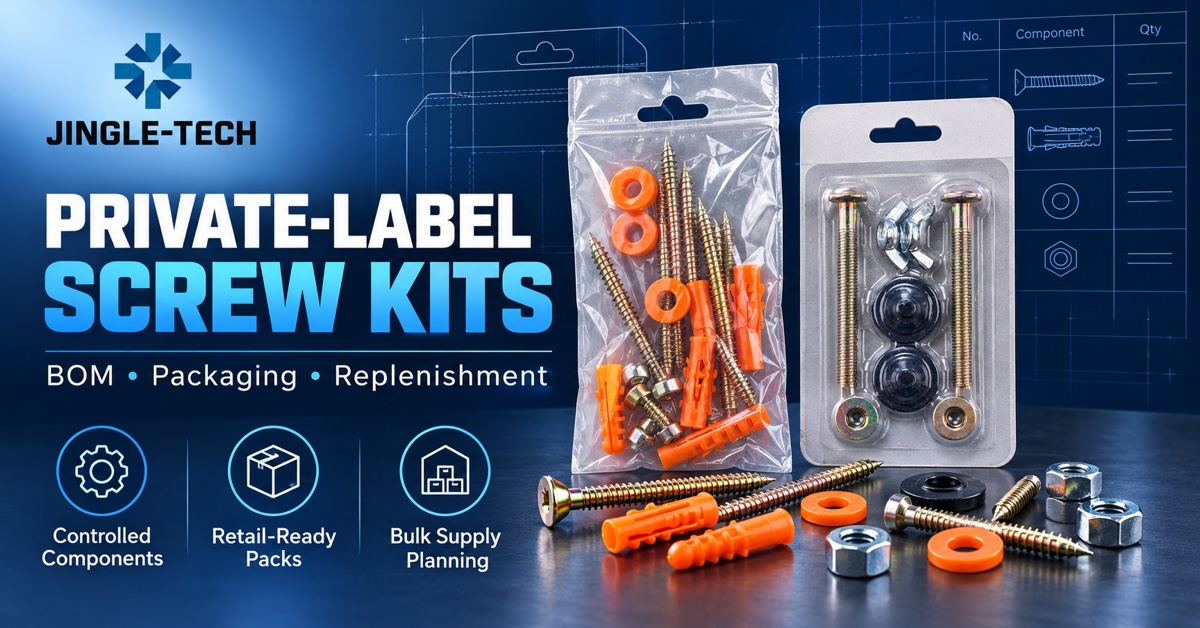
A concrete anchor manufacturer should be able to quote the item and its identification system. For private-label distribution, provide artwork, pieces per box, barcode, label position, master-carton limits and mixed-size rules. For project orders, add the size schedule, delivery sequence and required documents.
Keep similar sizes separate. A carton containing different lengths without clear labels creates a site risk and makes receiving inspection slower. The label should identify anchor type, diameter, length, material or finish, quantity and lot when required by the agreed packing plan.
Frequently asked questions
Which is stronger, a wedge anchor or a sleeve anchor?
There is no universal answer without the exact products and design conditions. Capacity depends on concrete, embedment, edge, spacing, load direction, material and installation. Compare the approved data for the exact item.
Can a drop-in anchor be used with any bolt?
No. The bolt or threaded rod must match the internal thread, engagement, installation condition and project requirement. Confirm the complete combination.
Can these anchors be used in brick or hollow block?
Do not assume so. This comparison is focused on suitable concrete or other stated base material. A different substrate requires a different selection and verification.
What material should I choose outside?
State moisture, salt, chemicals, temperature and maintenance. Then compare stainless grade or coated carbon steel against the project requirement. Do not choose from appearance alone.
What does a concrete anchor supplier need to quote?
Send anchor type, size, material, finish, base material, fixture thickness, embedment, edge and spacing, load direction, quantity, documents, packing and destination.
Can JingleFix provide OEM packaging?
JingleFix product records list OEM or ODM support for selected concrete anchor programs. Send the artwork, pack count, label, size schedule and target quantity for review.
Should a buyer request a sample?
Yes, especially when the anchor replaces an existing item, uses a special finish, needs private-label packing or must fit a tight fixture and hole layout. Record the approved item and lot before bulk order.
Make the anchor decision traceable
The practical difference between wedge, sleeve and drop-in anchors is the complete installation system. Start with the base material and fixture, define embedment and geometry, choose the mechanism that fits the work method, then confirm material, finish, tests and packaging. This gives the buyer a clear basis for comparing a wedge anchor manufacturer, sleeve anchor supplier or drop in anchor supplier.
JingleFix can review concrete fixing requirements for distributors, equipment manufacturers, contractors and project buyers. Include the marked drawing or size schedule, base condition, fixture thickness, load information, installation method, inspection documents and packing plan. The supplier can then identify the information needed for a controlled quotation.
Send your concrete anchor RFQ to JingleFix
Product ranges and public specifications are subject to confirmation against the controlled drawing, current standard and agreed order conditions. Structural, overhead, seismic, fire-rated and other safety-critical applications require review by the responsible engineer.
Start the selection with the fixing drawing
A concrete anchor selection becomes clearer when the buyer starts from the fixture rather than from a product catalogue. Mark the hole positions, fixture thickness, edge distances and expected anchor spacing. Add the base material and the direction of tension or shear. Then identify whether the fixture can be installed over a through-anchor or whether a later-installed internal thread is more practical.
For a project buyer, the drawing should also show access for drilling, cleaning, tightening or setting. A drop-in anchor may be attractive where the fixture is installed after the internal anchor is set, but the setting tool must be usable at the location. A wedge or sleeve anchor may be convenient for through-fixing, but the nut or head needs room for the approved tool.
Send the drawing to the concrete anchor supplier together with the project specification. If the drawing is not ready, send a dimensioned sketch and clearly mark the values still under review. This is more useful than asking for a price for “standard concrete anchors” with no installation basis.
Engineering review workflow
- Define the base material and condition.
- Record fixture thickness, hole layout, edge distance and spacing.
- State load direction, design load and any project safety factor.
- Shortlist wedge, sleeve or drop-in based on installation access.
- Check the exact product data and applicable approval.
- Review material and finish against the environment.
- Request samples or a project-specific quotation.
- Freeze the item code, drawing, installation instruction and packing.
- Train installers and record the first installation inspection.
This sequence separates product selection from final structural design. It helps the commercial team obtain a comparable quote while leaving the responsible engineer in control of the connection approval.
Concrete condition and installation age
The concrete condition at the time of installation or loading may differ from the finished structure. A precast element, new slab, repair zone or old substrate can have a different strength, moisture level or crack condition. State the expected age and strength when the anchor will be loaded, not only the final design strength.
Surface dust, drilling debris and water can also affect installation. The instruction should identify the hole diameter, depth, cleaning sequence and any restrictions on wet or flooded holes. A buyer should not add an unapproved cleaning chemical or substitute a tool without reviewing the effect on the anchor system.
Installation inspection checklist
| Check | Wedge or sleeve anchor | Drop in anchor |
|---|---|---|
| Product identification | Type, diameter, length, material and finish match the order. | Type, shell length, thread and setting tool match the order. |
| Hole preparation | Diameter, depth and cleaning follow the instruction. | Diameter, depth, cleaning and internal position follow the instruction. |
| Fixture fit | Hole and fixture thickness allow correct seating and projection. | Bolt or rod engagement is correct after the anchor is set. |
| Expansion or setting | Nut or head is tightened to the specified requirement. | Setting tool and set condition are verified before loading. |
| Record | Location, installer, lot and inspection result are retained. | Location, tool, bolt or rod and inspection result are retained. |
The inspection record should identify the anchor and the base. A photograph can support the record, but it cannot prove embedment or tightening on its own.
Load direction and group effects
Write whether the anchor is exposed to tension, shear, combined loading, prying, vibration or an overhead load. A fixture with four anchors does not automatically divide the load equally. Rigidity, load direction, installation tolerance and concrete edge conditions can change the distribution.
If the design uses a group of anchors, send the full layout rather than only the quantity. The supplier can identify the product range and the information needed for quotation, while the responsible engineer checks the design. The buyer should avoid converting a product catalogue statement into a project capacity without the complete load path.
For vibration or repeated loading, state the service condition and any test or approval requirement. A standard static pull-out result may not answer a fatigue, impact or dynamic question. The same caution applies to seismic, fire-rated and safety-critical applications.
How to audit a concrete fixing manufacturer
When comparing a concrete fixing manufacturer, ask questions that connect the item to the process. Can the supplier identify the material grade and surface finish for each component? Can the supplier separate metric and imperial thread programs? Can the supplier provide a sample with a stable part number? Can the supplier explain the inspection report and the batch it covers?
| Audit area | Evidence to request |
|---|---|
| Technical control | Controlled drawing, product range, installation information and change process. |
| Material | Grade, component breakdown, finish and applicable material record. |
| Process | Forming or assembly checkpoints, setting-tool compatibility and nonconforming-product control. |
| Testing | Test method, specimen, base, load direction, acceptance limit and report scope. |
| Traceability | Lot reference, label, packing list and link between shipment and inspection record. |
| Commercial | MOQ, sample policy, lead-time assumptions, pack count and delivery term. |
A supplier does not need to promise every document for every order. The important point is that the requested document and acceptance level are stated before production.
Cost and lead-time drivers
Anchor price is affected by material, diameter, length, expansion components, thread, finish, testing, marking, packaging and quantity. A stainless 316 wedge anchor is not comparable to a zinc-plated carbon-steel item simply because both are listed as M12. A drop-in anchor may have a lower piece price but require a separate bolt and setting tool. Compare the complete installed system.
Lead time can change when the order includes custom length, special material, private-label boxes, mixed sizes, additional inspection or a project document package. Send the whole size schedule at the first enquiry. A production plan based on one sample size may not represent the delivery plan for a mixed project release.
For a distributor, state whether the program is stock replenishment or project supply. For a project buyer, state the delivery sequence and site date. A supplier can then distinguish a regular item from a controlled project order.
Substitution control
Do not substitute a wedge anchor for a sleeve anchor, or a drop-in anchor for either, without checking the design and installation. Even when diameter and length look similar, the expansion mechanism, hole, setting, thread engagement and approved data can differ.
Use a substitution form that records the original item, proposed item, material, finish, hole, embedment, installation method, project condition and approval person. If the substitution is for a stock item rather than a designed connection, still keep the item identity clear so a future buyer does not assume equivalence.
After-installation records
Keep the anchor batch, location, installer, tool, date and inspection result with the project record when the connection is important. For a private-label distribution item, retain the approved sample and package label. If there is a field issue, the record helps separate product variation from hole preparation, fixture, tool or substrate problems.
For replacement work, record why the anchor was removed and whether the base was damaged. Do not reuse a drilled hole or install a larger item without checking the design and edge condition. A new anchor can require a new location or repair plan.
Buyer decision matrix
| Buyer priority | Questions | Likely review direction |
|---|---|---|
| Through-fixing with visible nut | Is there access for drilling and tightening through the fixture? | Wedge or sleeve anchor comparison. |
| Internal thread after setting | Can the setting tool and bolt engagement be controlled? | Drop-in anchor review. |
| Corrosive outdoor service | What grade, finish, chemical and maintenance condition apply? | Material and finish review for the exact item. |
| Fast distribution replenishment | What size ladder, pack count and labels are needed? | Standard assembled program and packaging control. |
| Safety-critical fixture | What approval, testing and engineer sign-off are mandatory? | Use only the specified, documented system. |
Additional questions from project buyers
Can a wedge anchor be removed and reused?
Do not assume reuse. The project instruction and the anchor manufacturer should define whether removal, inspection and reinstallation are permitted. A used expansion component or damaged hole may not provide the original condition.
Does a longer anchor always provide more capacity?
No. Length must match embedment, fixture thickness, edge and spacing. A longer item may leave excess thread, clash with reinforcement or fail to solve a concrete limitation.
Should the supplier choose the anchor from a photo?
A photo can help identify an existing item, but it does not show base material, load, embedment, hole or project approval. Use the photo with a drawing and written requirements.
What should be included in a sample request?
Include the anchor, matching nut and washer or bolt, setting tool where relevant, drawing, labels, finish and installation information. Record the sample lot and the dimensions checked.
Can the same anchor be sold under different private labels?
It may be packaged for different brands only when the technical item, label, traceability and approval remain controlled. Brand artwork must not obscure the actual size, material or product identity.