Welcome to our website
logo

CNC Machining Cost Reduction Strategies: Techniques, Technology, and Long-Term Savings

  • cnc machining parts
Posted by JINGLE On Apr 03 2026

Understanding CNC Machining Cost Reduction


CNC machining cost reduction is a critical goal for manufacturers aiming to optimize production efficiency without compromising quality. This process involves computer numerical control (CNC) technology, where machines precisely cut and shape materials based on digital instructions. By focusing on cost reduction strategies, businesses can lower expenses related to materials, labor, and operations, ultimately improving profitability. In today's competitive market, achieving effective CNC machining cost reduction means evaluating every aspect of the production workflow to identify savings opportunities.
CNC machining cost reduction

Key Strategies for Effective CNC Machining Cost Reduction


One primary approach to CNC machining cost reduction is optimizing material usage. Selecting the right materials and minimizing waste through precise programming can significantly cut costs. For instance, using software simulations to predict material needs helps avoid over-ordering and reduces scrap rates. Another strategy involves streamlining machine setup times; by implementing quick-change tooling systems, operators can reduce downtime, which directly impacts overall production costs. Additionally, regular maintenance of CNC machines prevents unexpected breakdowns that lead to expensive repairs and delays. Training staff on efficient programming and operation further enhances CNC machining cost reduction by boosting productivity and minimizing errors.

Advanced Techniques and Technology Integration


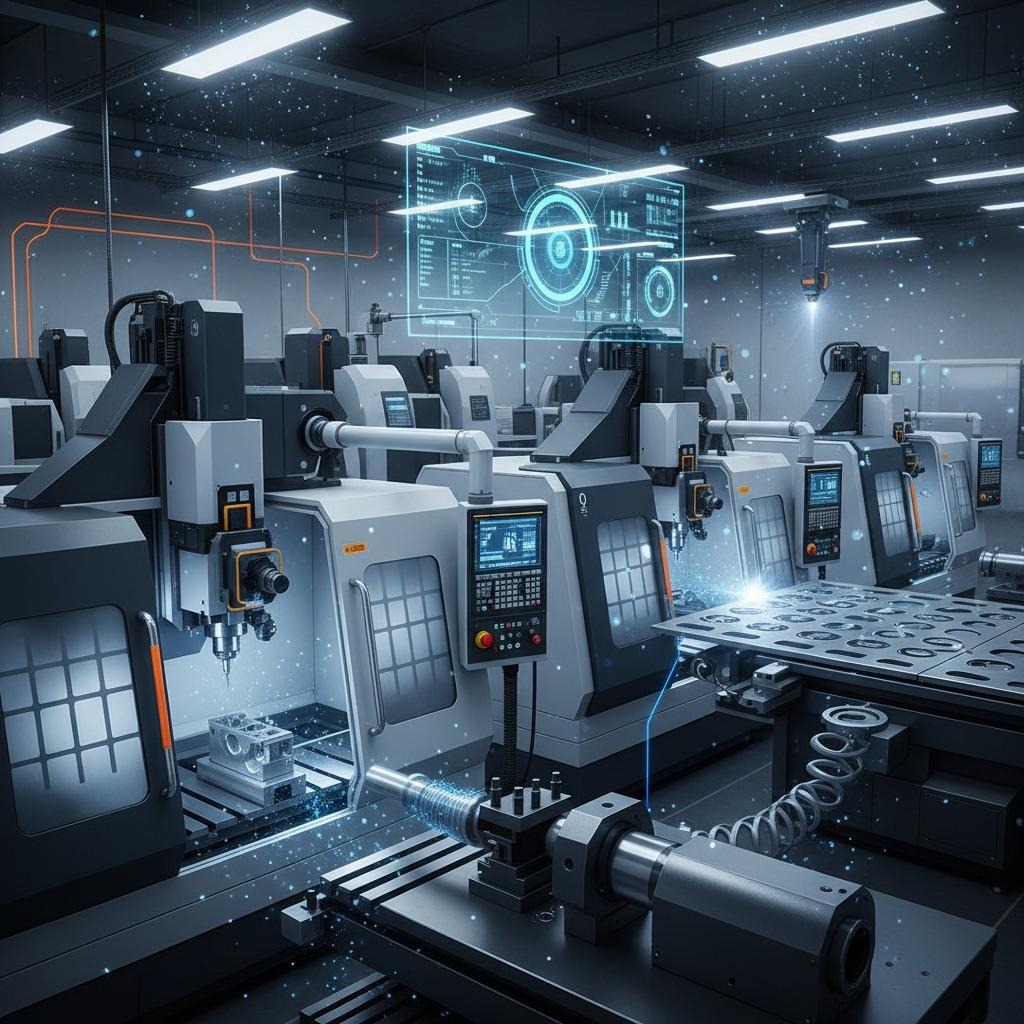
Leveraging advanced technologies plays a pivotal role in CNC machining cost reduction. Adopting multi-axis CNC machines allows for complex parts to be machined in fewer setups, saving both time and resources. Cloud-based monitoring systems provide real-time data on machine performance, enabling proactive adjustments to prevent inefficiencies. Moreover, partnering with suppliers for just-in-time inventory management ensures materials arrive exactly when needed, reducing storage costs. Incorporating automation, such as robotic loading and unloading, further automates repetitive tasks, allowing human resources to focus on high-value activities. These techniques not only facilitate CNC machining cost reduction but also improve scalability for growing operations.

Long-Term Benefits and Implementation Tips


Implementing CNC machining cost reduction measures yields long-term benefits like enhanced competitiveness and sustainable growth. Businesses that prioritize energy-efficient machines and eco-friendly practices often see additional savings through reduced utility bills and compliance incentives. To get started, conduct a thorough audit of current processes to pinpoint high-cost areas, then set measurable goals for improvement. Collaborate with experts or consultants specializing in CNC optimization to tailor strategies to your specific needs. Over time, these efforts compound, leading to substantial financial gains while maintaining high standards of precision and quality in manufacturing.
Featured Blogs

Tag:

  • CNC Machining parts
Share On
Featured Blogs
CNC Machining Part Guide: What Buyers Should Know

CNC Machining Part Guide: What Buyers Should Know

1. Why a CNC Machining Part Is Never Just “a Part” 2. What Buyers Usually Need to Decide First 3. How CNC Machining Supports Different Part Types 4. Selection Criteria That Actually Matter 5. Common Mistakes Buyers Make 6. Practical Buyer Advice Before You Order 7. FAQ: Quick Answers for Sourcing Teams 8. What a Good Next Step Looks Like

Non-standard Customized Hardware Parts: When Custom Is the Right Choice

Non-standard Customized Hardware Parts: When Custom Is the Right Choice

1. Why Non-standard Customized Hardware Parts Matter in Real Production 2. What Counts as a Custom Hardware Part? 3. Why Engineers Specify Custom Instead of Standard 4. Typical Manufacturing Routes and What They Suit 5. Selection Criteria Buyers Should Actually Check 6. Common Mistakes That Create Delays 7. How to Choose the Right Supplier 8. Practical Takeaway for Engineering and Procurement 9. FAQ

Non-standard Parts: What Buyers Should Know Before Ordering

Non-standard Parts: What Buyers Should Know Before Ordering

1. Why non-standard parts matter more than many teams admit 2. What buyers are really comparing 3. Common types of non-standard parts in manufacturing 4. Selection criteria that save trouble later 5. Common mistakes buyers still make 6. Practical buyer advice before you place the order 7. FAQ: quick answers for sourcing and engineering teams 8. Next step for a better buying decision

CNC Machining Part: What Buyers Need to Know Before RFQ

CNC Machining Part: What Buyers Need to Know Before RFQ

1. What Buyers Really Need to Know About a CNC Machining Part 2. Why the Machining Method Matters 3. Common Features That Change the Job 4. Material Choice Is Not a Side Note 5. What a Good RFQ Should Clarify 6. Prototype vs. Production: Different Expectations 7. How Buyers Can Compare Suppliers More Usefully 8. Common Mistakes to Avoid 9. A Practical Next Step

How to Choose a CNC Machining Supplier Without Buying a Future Problem

How to Choose a CNC Machining Supplier Without Buying a Future Problem

1. How to Choose a CNC Machining Supplier Without Buying a Future Problem 2. Start with the part, not the vendor 3. Check capability, but read between the lines 4. Quality control should be visible, not vague 5. Communication is a manufacturing capability 6. Compare these practical decision points 7. Common mistakes buyers make 8. What to ask before you place the order 9. Final buyer advice

How Accurate is CNC Machining: Precision Insights

How Accurate is CNC Machining: Precision Insights

1. Understanding the Precision Capabilities 2. Factors Affecting CNC Machining Accuracy 3. Real-World Applications and Improvements 4. Maximizing Accuracy in Your Projects